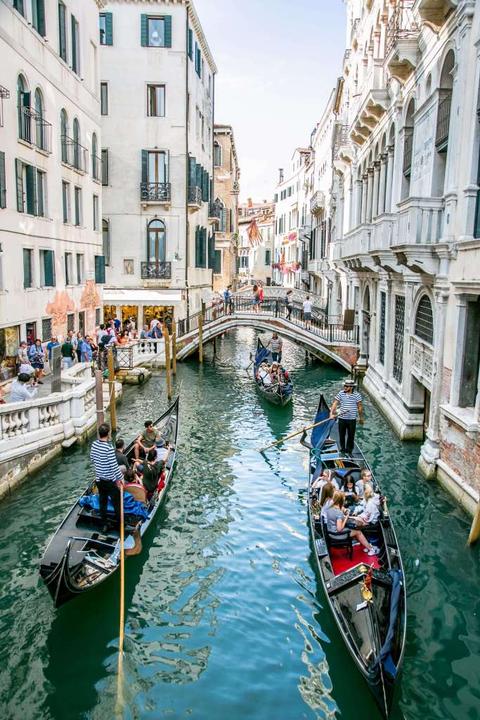
Italy · Europe
Discover Venice with Rafeek
Venice is a coastal city in northeastern Italy and the capital of the region of Veneto.


Seeing Venice without the story is only half the trip
The problem
Group tours run on someone else's clock, printed signs say too little, and searching for context on your phone pulls you out of the moment. Most travellers leave Venice with photos but no sense of what they actually saw.
How Rafeek fixes it
Rafeek is a personal audio guide in your pocket. Press play at each landmark in Venice, listen at your own pace, and keep your eyes on the place instead of a screen. Guides work offline, so no roaming or signal worries.
What you'll discover in Venice
33 landmarks with their own audio guide — tap any one to read what you'll hear.
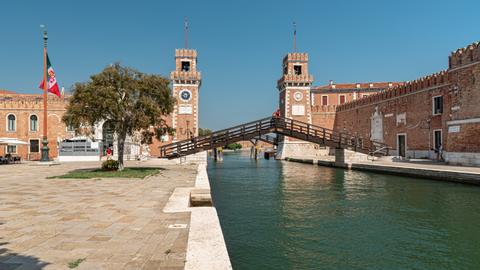
Arsenale di Venezia
A vast complex of former shipyards and armories clustered together in the city. It was the heart of the Venetian naval industry from the 12th century and is now a major exhibition venue for the Venice Biennale.
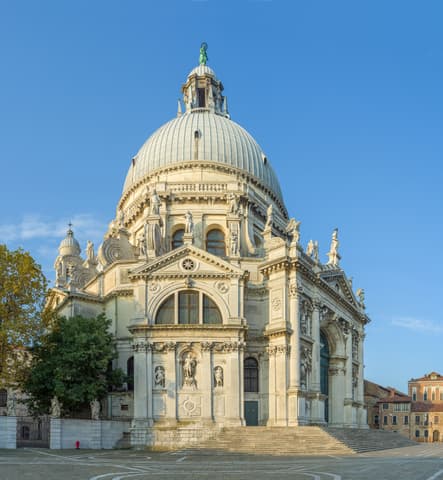
Basilica di Santa Maria della Salute
A magnificent Roman Catholic church and minor basilica located at the entrance of the Grand Canal. Built in the 17th century to thank the Virgin Mary for the city's deliverance from the plague, its massive dome is a prominent feature of the Venetian skyline.
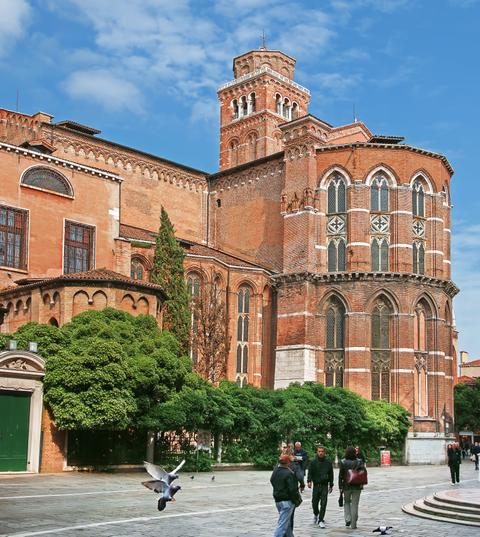
Basilica di Santa Maria Gloriosa dei Frari
A vast Gothic church in the San Polo district, known simply as the Frari. It contains many masterpieces of Venetian Renaissance art, including Titian's 'Assumption of the Virgin' and a Bellini triptych.
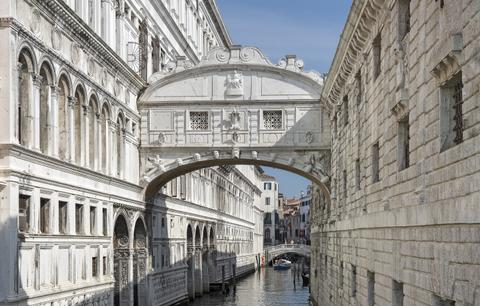
Bridge of Sighs
An enclosed bridge made of white limestone, it connects the Doge's Palace's interrogation rooms to the New Prison. The name comes from the suggestion that prisoners would sigh at their final view of beautiful Venice through the window before being taken down to their cells.
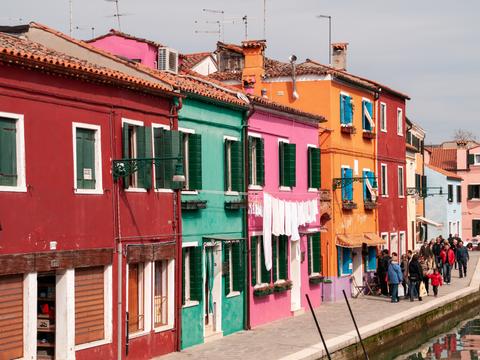
Burano
An island in the Venetian Lagoon known for its brightly colored fishermen's houses and its tradition of lacemaking. It offers a picturesque and tranquil escape from the crowds of central Venice, with charming canals and streets.
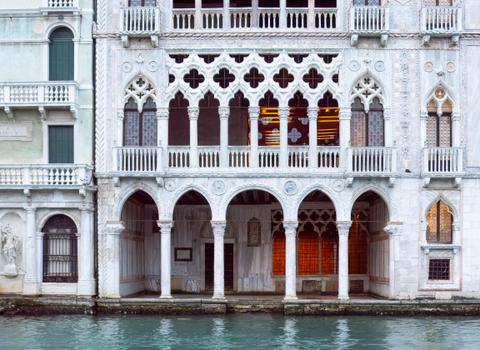
Ca' d'Oro
A stunning palace on the Grand Canal, considered one of the greatest examples of Venetian Gothic architecture. Its name means 'golden house' due to the original gilt and polychrome external decorations, and it now houses the Galleria Giorgio Franchetti.
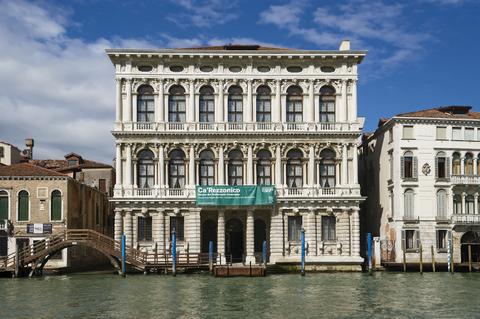
Ca' Rezzonico
A magnificent palazzo on the Grand Canal that now houses the Museum of 18th-century Venice. The museum offers a fascinating glimpse into the aristocratic life of the period, with lavishly decorated rooms, period furniture, and paintings by artists like Tiepolo and Longhi.
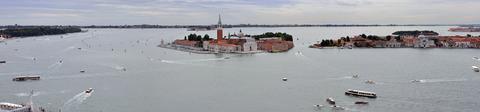
Chiesa di San Giorgio Maggiore
A 16th-century Benedictine church on the island of the same name, designed by Andrea Palladio. Its brilliant white marble facade stands out across the water from St. Mark's Square, and its bell tower offers a spectacular, less crowded alternative view of Venice.
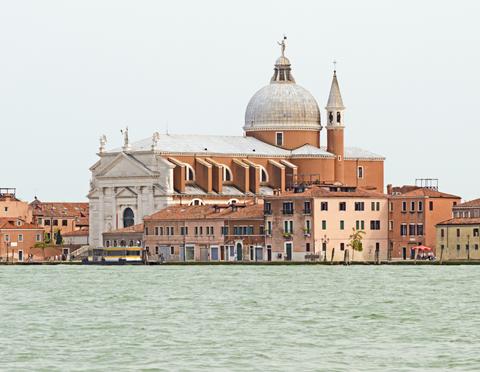
Church of the Redeemer
A 16th-century church on Giudecca island, designed by the great architect Andrea Palladio. It was built as a votive church to thank God for the deliverance of the city from a major plague and is the focus of the famous Festa del Redentore.
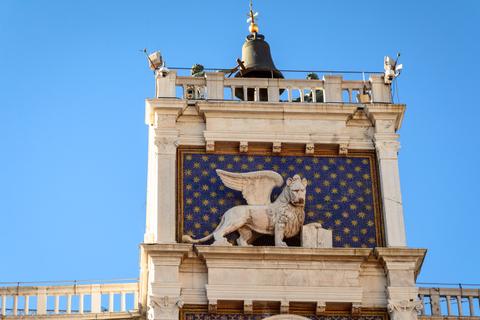
Clock Tower
An early Renaissance building on the north side of Piazza San Marco, at the entrance to the Merceria. The tower features a complex astronomical clock and two bronze figures, known as the 'Moors', who strike the hours on a large bell.
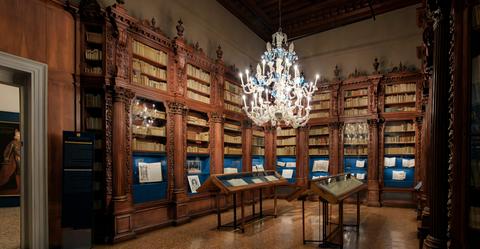
Correr Museum
Located in the Napoleonic Wing of the Procuratie Nuove in St. Mark's Square, this museum covers the art and history of Venice. Its collections range from neoclassical sculptures by Canova to historical artifacts and paintings that narrate the city's civic history.
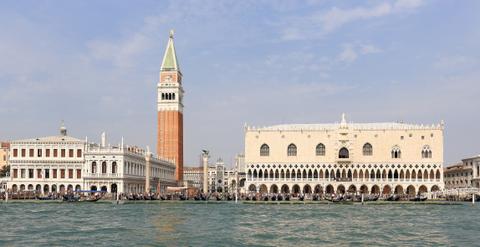
Doge's Palace
A masterpiece of Gothic architecture, the Doge's Palace was the residence of the Doge of Venice, the supreme authority of the former Venetian Republic. Visitors can explore its lavish chambers, courtyards, and the prison cells connected by the Bridge of Sighs.
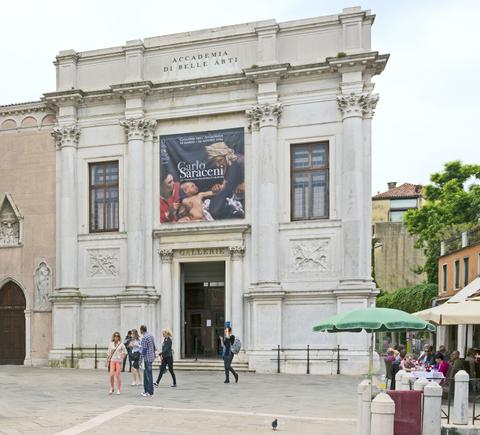
Gallerie dell'Accademia
A museum gallery of pre-19th-century art in Venice, situated on the south bank of the Grand Canal. It houses a world-renowned collection of Venetian painting up to the 18th century, with works by masters such as Bellini, Titian, and Tintoretto.
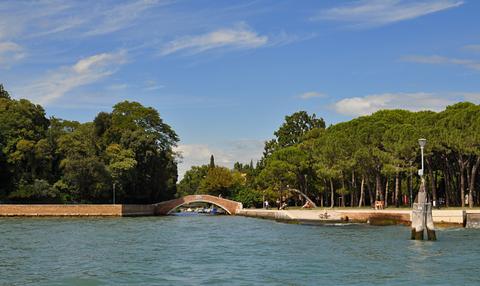
Giardini della Biennale
The historic venue for the Venice Biennale Art Exhibition, established in the late 19th century. The gardens are home to 30 permanent national pavilions, each designed by a leading architect, showcasing international art and architecture.
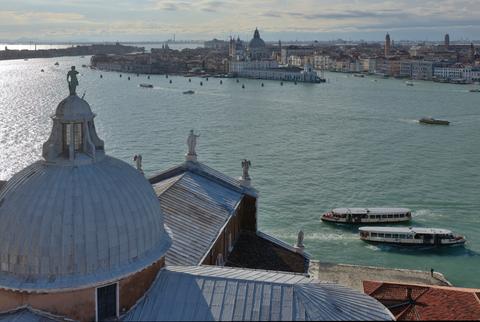
Giudecca Island
A large island located just south of the main islands of Venice, separated by the Giudecca Canal. It offers a more peaceful, residential atmosphere with stunning views back towards the city's main landmarks and is home to the famous Hotel Cipriani and the Redentore Church.
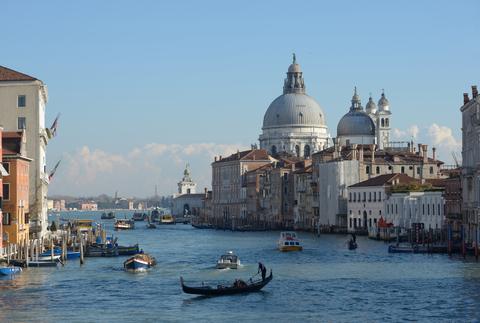
Grand Canal
The main waterway of Venice, forming a major water-traffic corridor through the city. It is lined with more than 170 magnificent buildings, most of which date from the 13th to the 18th century, showcasing the wealth and art of the Venetian Republic.
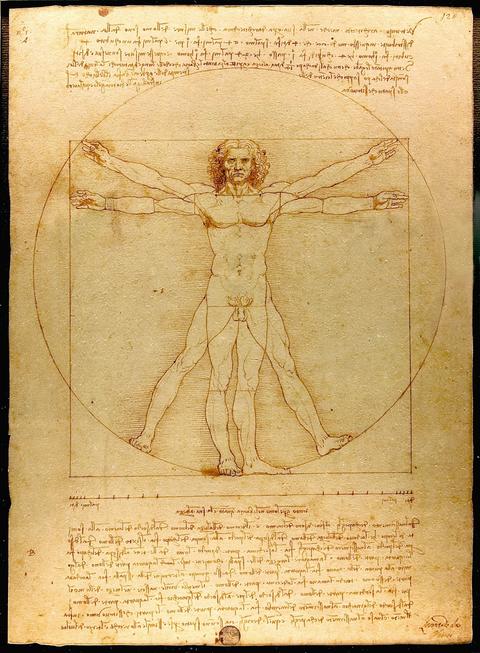
Leonardo da Vinci Museum
A museum located near the Campo San Barnaba that brings the genius of Leonardo to life. It features interactive machines and multimedia displays based on the artist's famous codices, offering a hands-on experience for all ages.
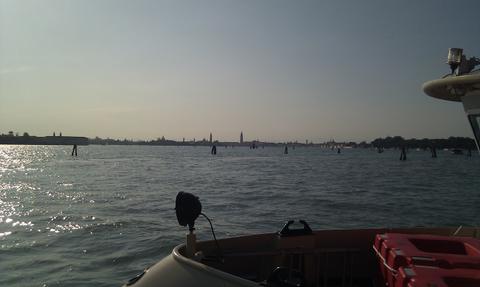
Lido di Venezia
A thin 11-kilometer-long sandbar in the Venetian Lagoon, home to long sandy beaches and a more relaxed atmosphere. It is famous for hosting the Venice International Film Festival each September and offers a different side of Venice with its Art Nouveau hotels and avenues suitable for cycling.
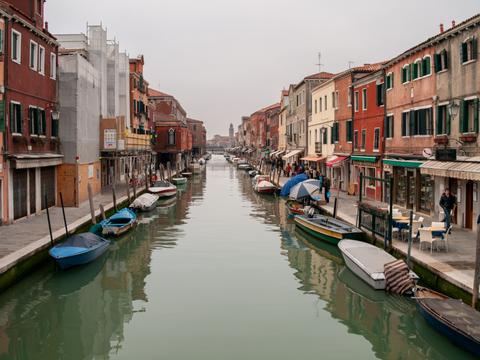
Murano
An island in the Venetian Lagoon, world-famous for its long tradition of glass-making. Visitors can watch master glassblowers at work in factories and browse numerous shops selling exquisite glass art, from jewelry to chandeliers.
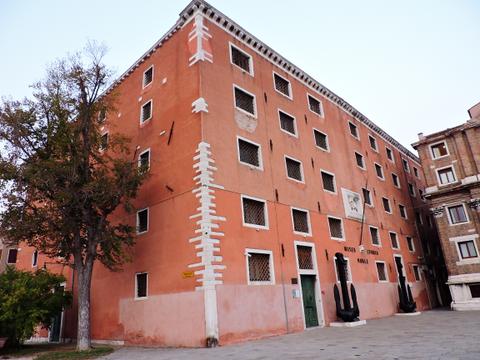
Naval History Museum
Located near the Arsenale, this museum illustrates the maritime history of the Venetian Republic. It houses an impressive collection of ship models, historical vessels including parts of the Bucintoro (the Doge's state barge), and naval weaponry.
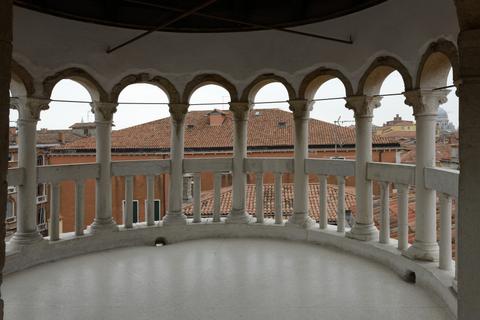
Palazzo Contarini del Bovolo
A small palace in Venice, best known for its external multi-arch spiral staircase known as the Scala Contarini del Bovolo. Climbing the staircase provides a unique perspective and stunning views over the rooftops of the city.
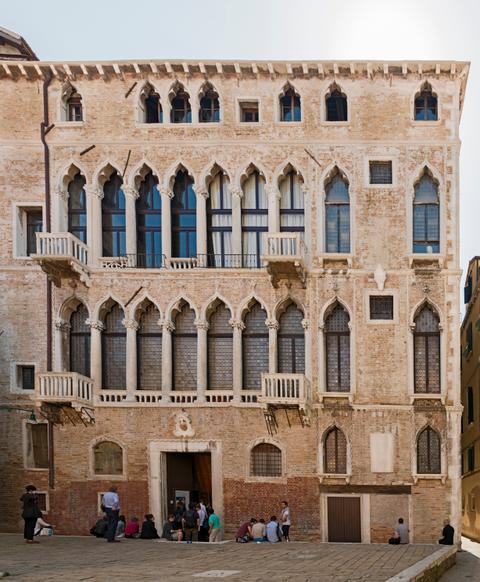
Palazzo Fortuny
A Gothic palace in the San Marco district that was the home and studio of artist Mariano Fortuny. Now a museum, it hosts exhibitions and preserves the eclectic atmosphere of the artist's studio, filled with his paintings, fabrics, and collections.
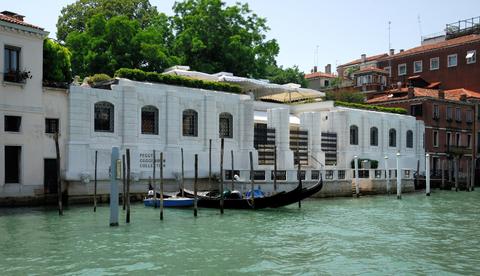
Peggy Guggenheim Collection
A modern art museum on the Grand Canal in the Dorsoduro sestiere of Venice. It is one of the most important museums in Italy for European and American art of the first half of the 20th century, housed in the 18th-century Palazzo Venier dei Leoni.
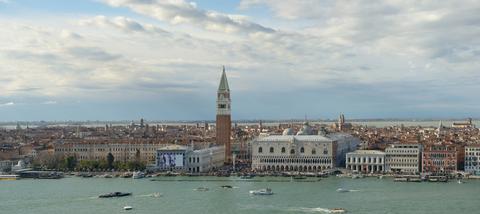
Piazza San Marco
The principal public square of Venice, often referred to as 'the drawing room of Europe'. It is dominated by the grandeur of St. Mark's Basilica, the Campanile, and the Doge's Palace, serving as the city's social, religious, and political center for centuries.
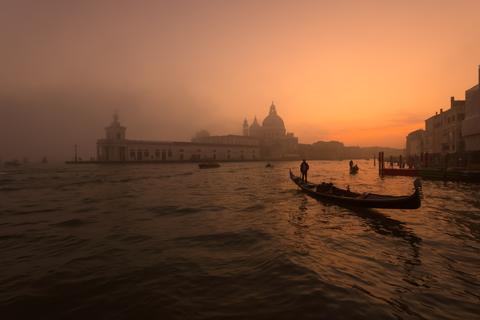
Punta della Dogana
An art museum housed in Venice's old customs building, the Dogana da Mar. The triangular building, located at the point where the Grand Canal meets the Giudecca Canal, hosts contemporary art exhibitions from the Pinault Collection.
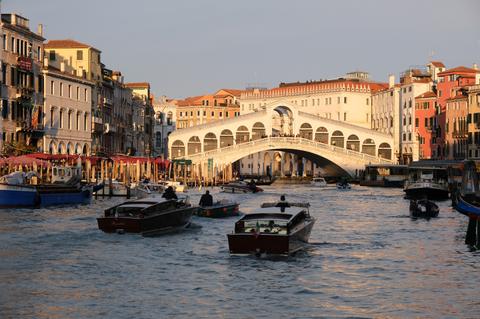
Rialto Bridge
The oldest of the four bridges spanning the Grand Canal in Venice. This elegant stone arch bridge, completed in 1591, is a significant landmark and is lined with shops, offering stunning views of the bustling waterway.

Rialto Market
A historic and vibrant market located near the Rialto Bridge, which has been the commercial heart of Venice for centuries. It features the Pescheria (fish market) and the Erberia (vegetable market), offering a lively slice of local life.
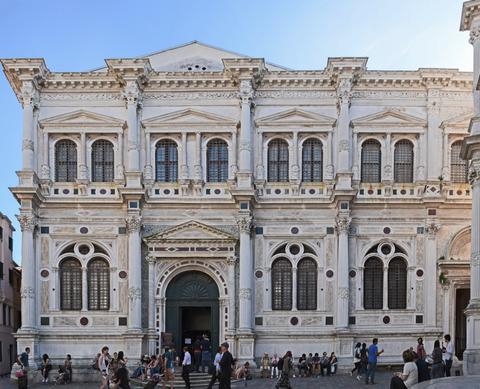
Scuola Grande di San Rocco
A building in Venice renowned for its extraordinary collection of paintings by Tintoretto. The building was the seat of a confraternity and its interiors are covered with a vast cycle of paintings that took the artist over 20 years to complete.
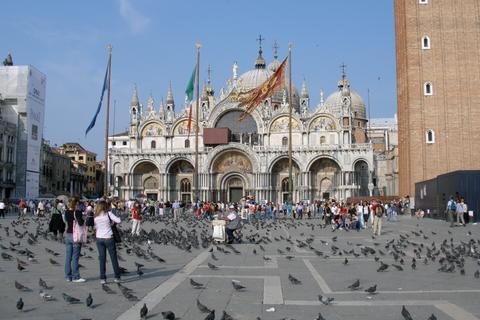
St. Mark's Basilica
The cathedral church of the Roman Catholic Archdiocese of Venice, it is the most famous of the city's churches and a prime example of Italo-Byzantine architecture. Its opulent design and gold ground mosaics earned it the nickname 'Church of Gold'.
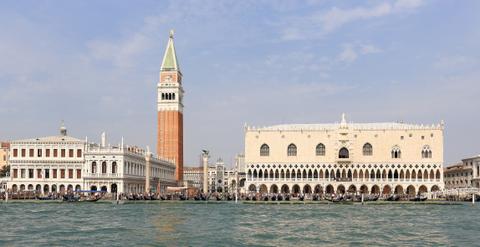
St. Mark's Campanile
The bell tower of St. Mark's Basilica, located in the Piazza San Marco. Standing at 98.6 meters tall, it offers breathtaking panoramic views of Venice and its lagoon from its observation deck.
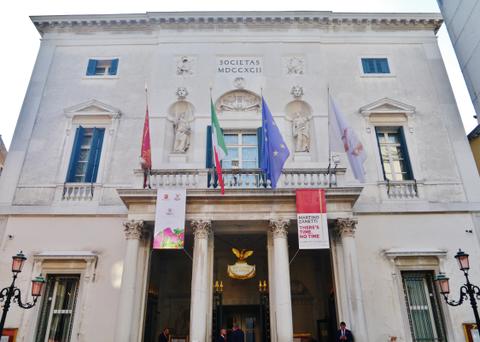
Teatro La Fenice
One of the most famous and renowned landmarks in the history of Italian theatre and opera. The opera house has been destroyed by fire and rebuilt multiple times, continuing to host major operatic premieres and performances.
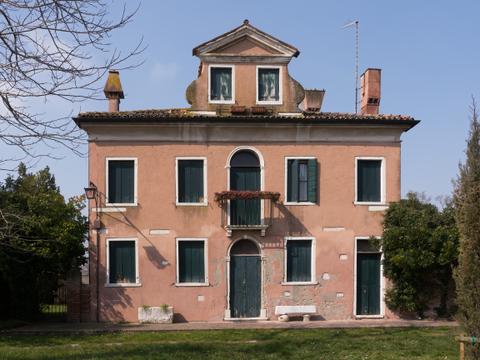
Torcello
A sparsely populated island at the northern end of the Venetian Lagoon, considered the earliest center of civilization in the area. It is known for its tranquil, green landscape and its stunning Byzantine mosaics in the Cathedral of Santa Maria Assunta.
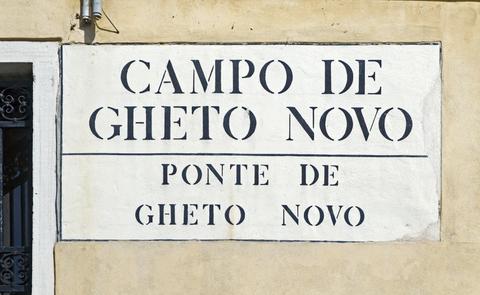
Venetian Ghetto
The historic area where Venetian Jews were compelled to live from the 16th to the 18th century. It is the oldest Jewish ghetto in the world and remains a center of Jewish life in the city, with historic synagogues, a museum, and kosher establishments.
How Rafeek works in Venice
Download Rafeek
Get the app on iOS or Android and pick your destination.
Choose a guide
Browse the landmarks nearby and choose the ones you want.
Press play and walk
Listen as you go, at your own pace, online or offline.
About Venice
Venice is a coastal city in northeastern Italy and the capital of the region of Veneto. It is built on a group of 126 islands that are separated by expanses of open water and by canals; portions of the city are linked by 472 bridges.
Simple pricing
Try Rafeek before you pay for anything.
Free
$0
Start with sample guides and browse every destination and landmark before you commit.
Full access
In-app
Unlock complete audio guides, offline listening, and every landmark in the city from inside the app.
Ready to explore Venice?
Download Rafeek and let every landmark tell you its story.