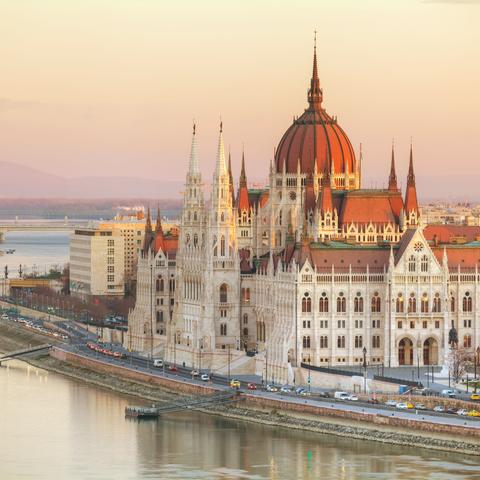
Hungary · Europe
Discover Budapest with Rafeek
Budapest is the capital and most populous city of Hungary.


Seeing Budapest without the story is only half the trip
The problem
Group tours run on someone else's clock, printed signs say too little, and searching for context on your phone pulls you out of the moment. Most travellers leave Budapest with photos but no sense of what they actually saw.
How Rafeek fixes it
Rafeek is a personal audio guide in your pocket. Press play at each landmark in Budapest, listen at your own pace, and keep your eyes on the place instead of a screen. Guides work offline, so no roaming or signal worries.
What you'll discover in Budapest
33 landmarks with their own audio guide — tap any one to read what you'll hear.
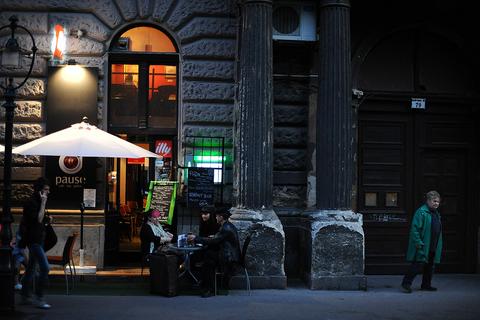
Andrassy Avenue
A grand 19th-century boulevard recognized as a UNESCO World Heritage site, linking the city center with the City Park. It is lined with magnificent Neo-Renaissance mansions, luxury boutiques, embassies, and the prestigious Hungarian State Opera House.
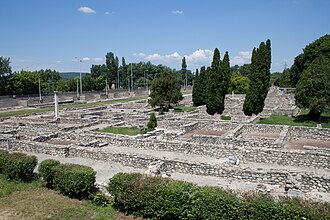
Aquincum Museum and Archaeological Park
An archaeological site showcasing the ruins of the ancient Roman city of Aquincum, which was the capital of the Pannonia Inferior province. The museum displays a rich collection of artifacts unearthed on-site, providing a glimpse into Roman life on the frontier of the empire.
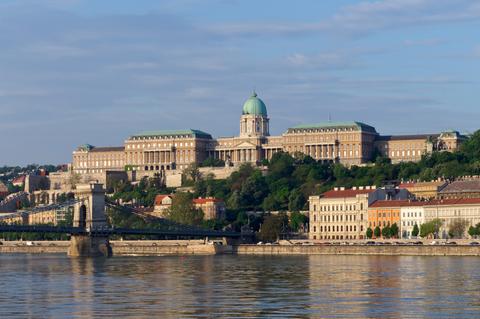
Buda Castle
The historical castle and palace complex of the Hungarian kings, perched atop Castle Hill. Today, this UNESCO World Heritage site houses the Hungarian National Gallery and the Budapest History Museum, offering a deep dive into the nation's art and history.
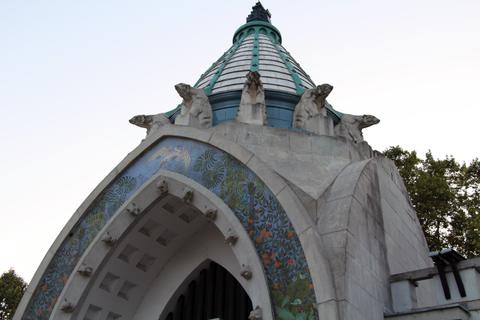
Budapest Zoo & Botanical Garden
One of the oldest zoos in the world, located in the City Park and known for its remarkable Art Nouveau architecture. It is home to a diverse collection of over 1,000 animal species and offers a rich botanical experience.
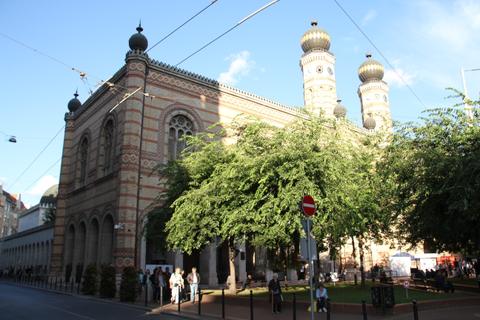
Dohany Street Synagogue
The largest synagogue in Europe and a center of Neolog Judaism, located in the historic Jewish Quarter. The complex also includes the Hungarian Jewish Museum and the Holocaust Memorial Tree, a weeping willow sculpture with the names of victims inscribed on its leaves.
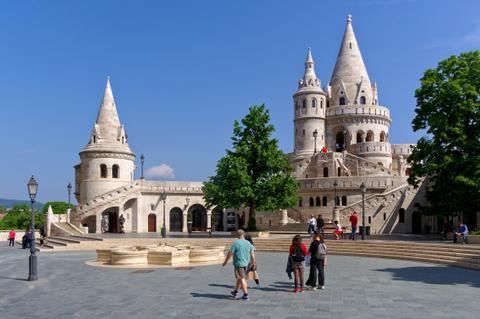
Fisherman's Bastion
A fairytale-like terrace built in Neo-Gothic and Neo-Romanesque style on the Buda Castle hill. Its seven towers represent the seven Magyar tribes that settled in the Carpathian Basin, and it provides some of the most stunning panoramic views across the Danube to Pest.
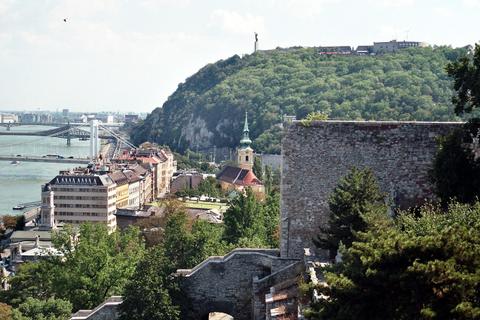
Gellert Hill and Citadel
A 235-meter high hill offering breathtaking panoramic views over the Danube and the city. At its peak sits the Citadella, a fortress built by the Habsburgs, and the iconic Liberty Statue, a symbol of freedom.
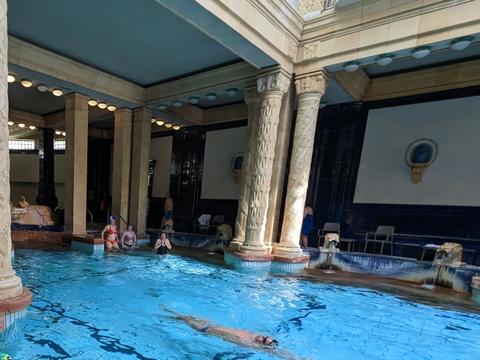
Gellert Thermal Bath
A famous spa complex built in a spectacular Art Nouveau style, part of the renowned Hotel Gellert. It is celebrated for its ornate interiors, featuring beautiful mosaics, stained glass windows, and sculptures, offering a luxurious bathing experience.
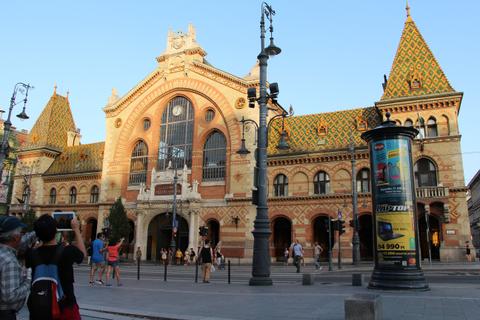
Great Market Hall
The largest and oldest indoor market in Budapest, housed in a spectacular neo-Gothic building. On its three floors, visitors can find a vast array of fresh produce, local delicacies like paprika and Tokaji wine, and traditional Hungarian crafts.
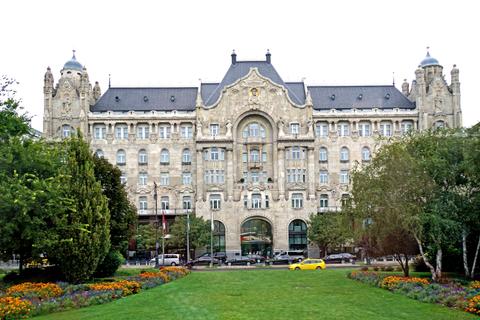
Gresham Palace
A masterpiece of Art Nouveau architecture located at the Pest end of the Chain Bridge. Originally built as an office and apartment building, it has been beautifully restored and now operates as the luxurious Four Seasons Hotel Gresham Palace.
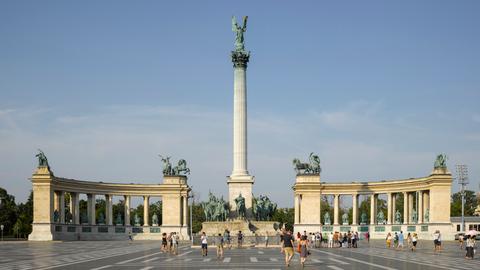
Heroes' Square
One of the major squares in Budapest, noted for its iconic Millennium Monument featuring statues of the Seven Chieftains of the Magyars. The square is flanked by the Museum of Fine Arts and the Mucsarnok art gallery, marking the entrance to the City Park.
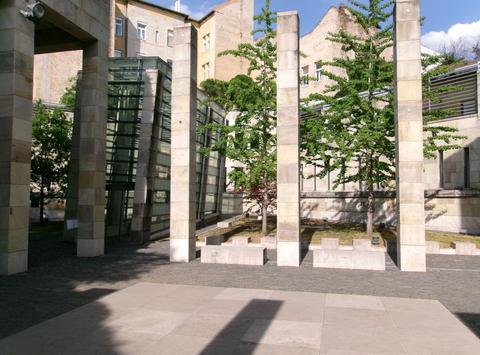
Holocaust Memorial Center
A renovated synagogue and museum dedicated to the history of the Holocaust in Hungary. The center serves as a memorial, scientific, and educational institution, with a permanent exhibition that portrays the persecution and murder of Hungarian Jews and Roma.
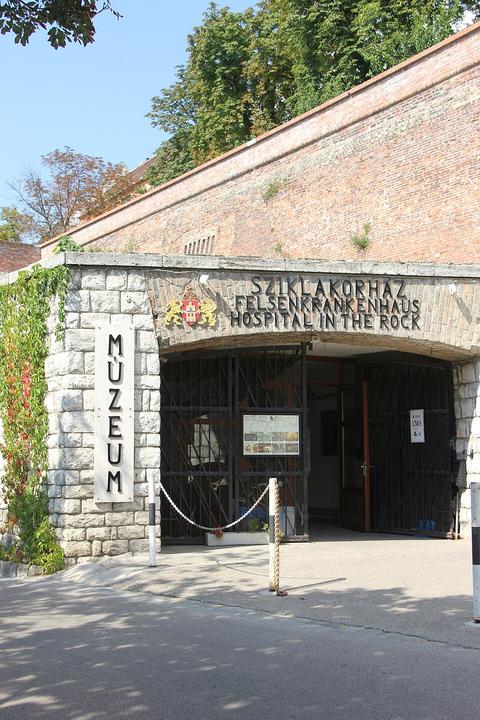
Hospital in the Rock Nuclear Bunker Museum
A unique museum located in a former secret emergency hospital and nuclear bunker built into the caves beneath Buda Castle. The waxwork displays and original equipment tell the story of the facility's role during World War II, the 1956 Revolution, and the Cold War.
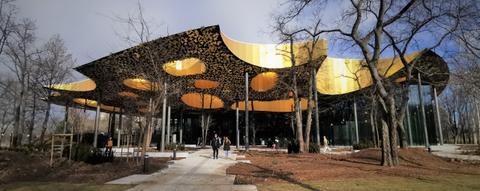
House of Hungarian Music
A stunning contemporary concert hall and exhibition space located in the City Park, designed by Japanese architect Sou Fujimoto. Its unique design features a massive, perforated roof that seems to float among the trees, and it is dedicated to the history of music.
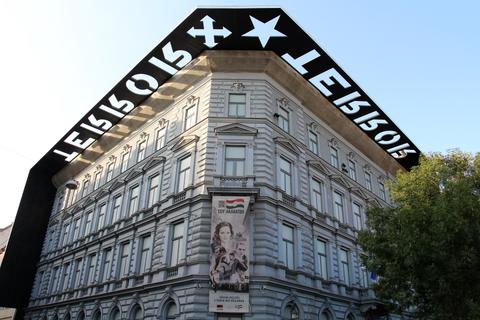
House of Terror Museum
A museum and memorial located on Andrassy Avenue in the former headquarters of the secret police. It contains exhibits related to the fascist and communist dictatorial regimes of 20th-century Hungary and serves as a memorial to their victims.
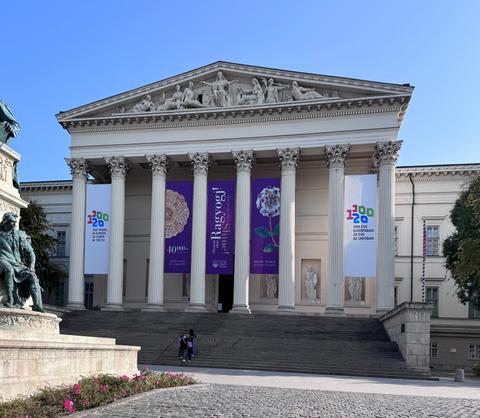
Hungarian National Museum
The primary museum dedicated to the history, art, and archaeology of Hungary from its origins to the present day. Housed in a grand Neoclassical building, its extensive collections include the nation's most important historical artifacts.
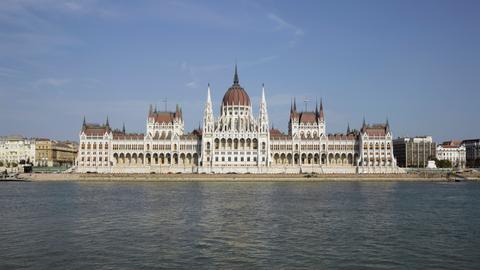
Hungarian Parliament Building
A magnificent example of Neo-Gothic architecture and the seat of the National Assembly of Hungary. As one of Europe's oldest legislative buildings, it stands as a prominent landmark on the bank of the Danube and is the largest building in the country.
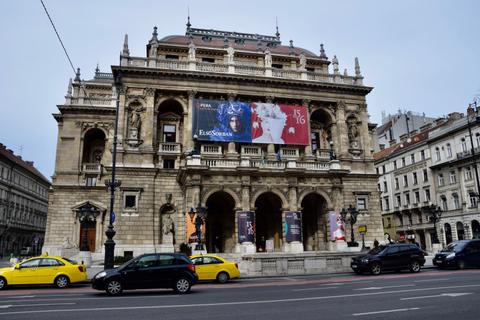
Hungarian State Opera House
A Neo-Renaissance opera house considered one of the finest in the world for its exceptional architecture and acoustics. Located on Andrassy Avenue, it offers guided tours showcasing its opulent interiors, including the grand staircase and gilded auditorium.
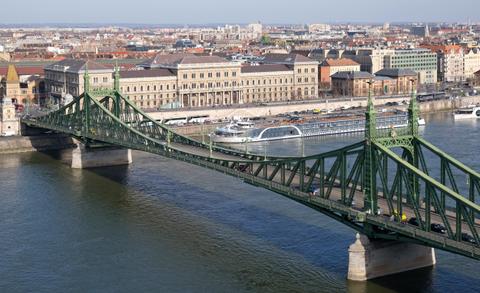
Liberty Bridge
An elegant, green-painted bridge connecting Buda and Pest at the southern end of the city center. Built in the Art Nouveau style, it is a popular spot for locals and tourists to gather, especially in the summer when it is occasionally closed to traffic.
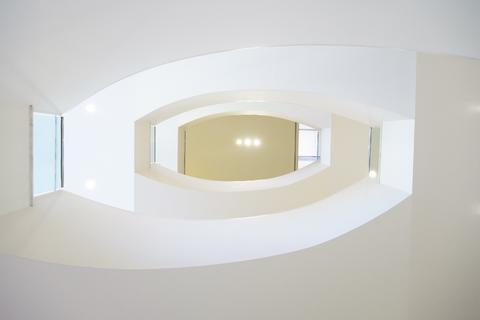
Ludwig Museum of Contemporary Art
Located within the Palace of Arts, this museum showcases a significant collection of modern and contemporary art. Its exhibitions feature works by Hungarian and international artists, including pop art pieces by Andy Warhol and Roy Lichtenstein.
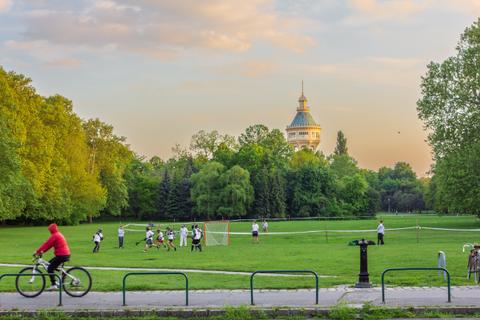
Margaret Island
A tranquil 2.5 km long island in the middle of the Danube, serving as a peaceful recreational hub for locals and tourists. The island features parks, a musical fountain, medieval ruins, a small zoo, and jogging tracks, offering a green escape from the bustling city.
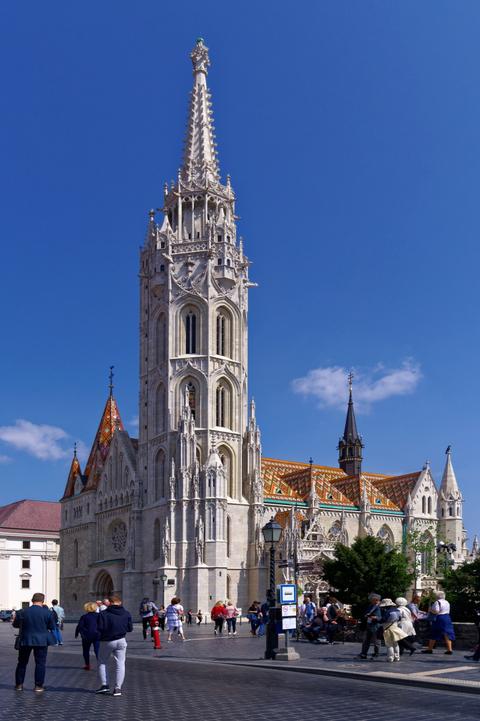
Matthias Church
A Roman Catholic church located in the heart of the Buda Castle district, famous for its colorful diamond-patterned tile roof. Officially named The Church of Our Lady of Buda, it has hosted several royal coronations and weddings throughout its 700-year history.
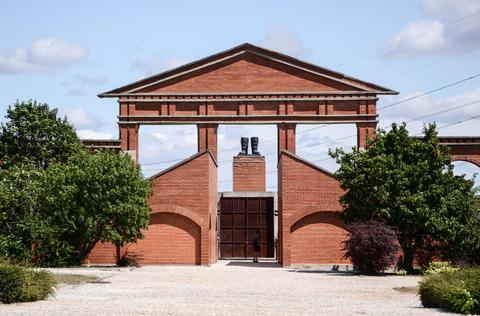
Memento Park
An open-air museum featuring monumental statues and sculpted plaques from Hungary's Communist period. The park provides a unique and thought-provoking look at the propaganda art of a bygone era, with statues of Lenin, Marx, and other communist figures.
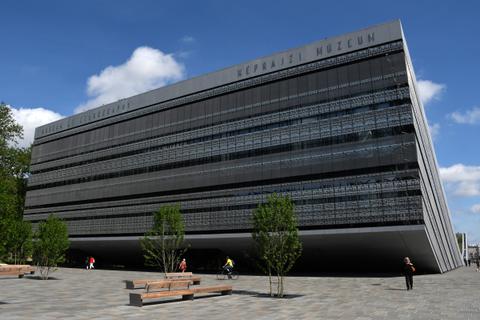
Museum of Ethnography
Housed in a spectacular new building resembling a grassy ramp near the City Park, this museum is dedicated to Hungarian folk culture and ethnography. Its vast collection includes artifacts from Hungarian peasant life as well as from cultures around the world.
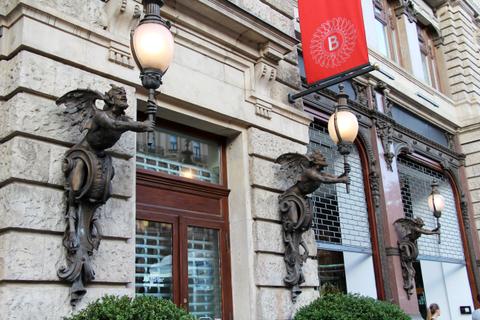
New York Palace and Cafe
A grand, eclectic palace on the Grand Boulevard, famous for its opulent New York Cafe, once a hub for Hungarian writers and artists. The cafe's lavish interior with frescoes, chandeliers, and marble columns has been restored to its former glory.
/Palace%20of%20Arts%20(MUPA).jpg)
Palace of Arts (MUPA)
A modern cultural hub on the banks of the Danube, renowned for its contemporary architecture and world-class performances. It houses the Bela Bartok National Concert Hall, the Ludwig Museum of Contemporary Art, and the Festival Theatre.
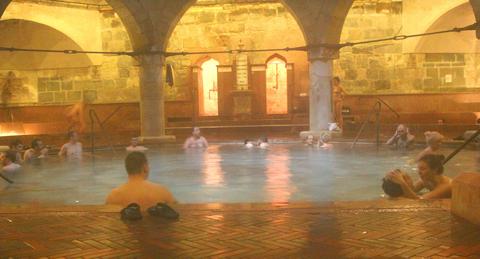
Rudas Thermal Bath
A historic 16th-century Turkish bath featuring a stunning octagonal main pool under a classic dome. It offers a unique blend of historical ambiance and modern wellness, including a rooftop hot tub with panoramic views of the Danube.
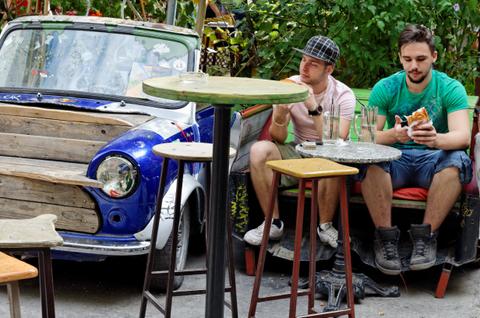
Ruin Bars
A signature feature of Budapest's nightlife, these bars are located in formerly abandoned buildings in the old Jewish Quarter. The most famous, Szimpla Kert, pioneered the trend with its eclectic, mismatched furniture and quirky art, creating a unique and vibrant atmosphere.
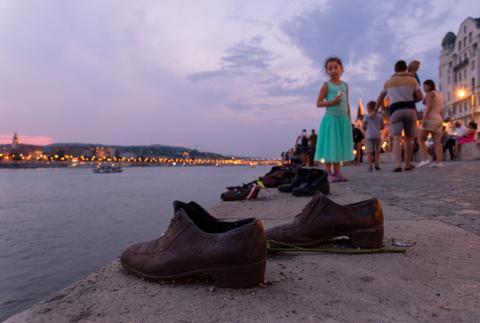
Shoes on the Danube Bank
A poignant memorial on the Pest bank of the Danube to honor the Jews who were killed by fascist Arrow Cross militiamen during World War II. The monument consists of sixty pairs of 1940s-style iron shoes, representing those who were ordered to leave their footwear behind before being shot into the river.
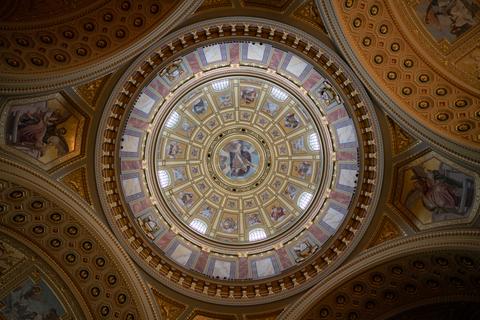
St. Stephen's Basilica
A grand Roman Catholic basilica named in honor of Stephen, the first King of Hungary. The church houses his revered right hand, the 'Szent Jobb', and visitors can climb to the dome for a 360-degree view of Budapest.
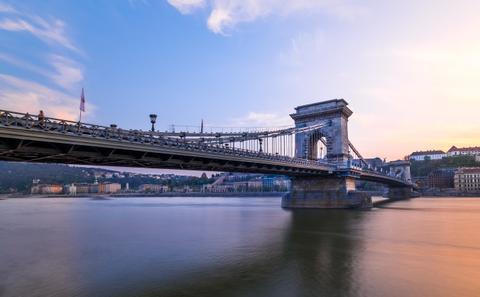
Szechenyi Chain Bridge
The first permanent stone bridge to connect Buda and Pest, and an iconic symbol of the city. Guarded by two majestic stone lions at each end, a walk across the bridge offers beautiful views of the Parliament and Buda Castle.
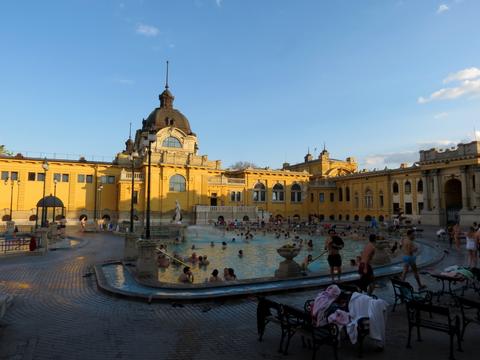
Szechenyi Thermal Bath
One of the largest medicinal bath complexes in Europe, located in Budapest's City Park. Its two thermal springs supply 18 pools, and it is famous for its vast outdoor pools where locals can be seen playing chess in the steaming water year-round.
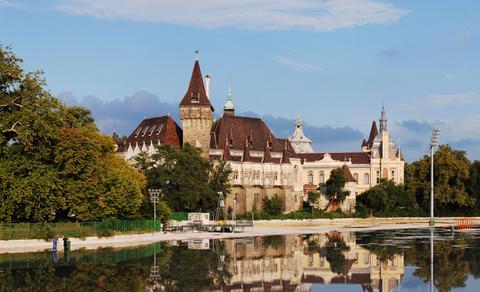
Vajdahunyad Castle
A romantic castle located in the City Park, built in 1896 to celebrate 1000 years of Hungary. It showcases a stunning blend of architectural styles from different eras, including Romanesque, Gothic, Renaissance, and Baroque, and houses the Museum of Hungarian Agriculture.
How Rafeek works in Budapest
Download Rafeek
Get the app on iOS or Android and pick your destination.
Choose a guide
Browse the landmarks nearby and choose the ones you want.
Press play and walk
Listen as you go, at your own pace, online or offline.
About Budapest
Budapest is the capital and most populous city of Hungary. It is Hungary's primate city with 1.7 million inhabitants and its greater metro area has a population of about 3.3 million, representing one-third of the country's population and producing more than 40% of the country's economic output. Budapest is the political, economic, and cultural center of the country, among the ten largest cities in the European Union and the second largest urban area in Central and Eastern Europe. Budapest stands on the River Danube and is strategically located at the center of the Pannonian Basin, lying on ancient trade routes linking the hills of Transdanubia with the Great Plain.
Simple pricing
Try Rafeek before you pay for anything.
Free
$0
Start with sample guides and browse every destination and landmark before you commit.
Full access
In-app
Unlock complete audio guides, offline listening, and every landmark in the city from inside the app.
Ready to explore Budapest?
Download Rafeek and let every landmark tell you its story.