Italy · Europe
Discover Florence with Rafeek
Florence is the capital and most populous city of the Italian region of Tuscany, and, as of 2026, with a population of 361,625, the 8th most populous city in the country.


Seeing Florence without the story is only half the trip
The problem
Group tours run on someone else's clock, printed signs say too little, and searching for context on your phone pulls you out of the moment. Most travellers leave Florence with photos but no sense of what they actually saw.
How Rafeek fixes it
Rafeek is a personal audio guide in your pocket. Press play at each landmark in Florence, listen at your own pace, and keep your eyes on the place instead of a screen. Guides work offline, so no roaming or signal worries.
What you'll discover in Florence
41 landmarks with their own audio guide — tap any one to read what you'll hear.
Baptistery of St. John
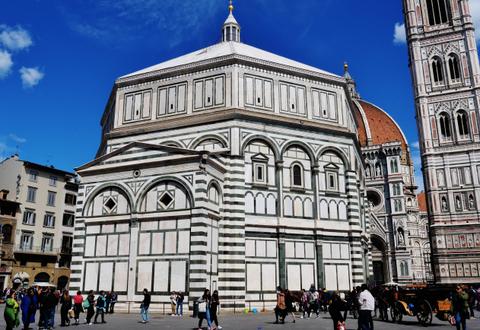
Located in front of the cathedral, this octagonal baptistery is one of Florence's oldest buildings. It is renowned for its three sets of artistically significant bronze doors, including Ghiberti's 'Gates of Paradise'.
Bardini Garden
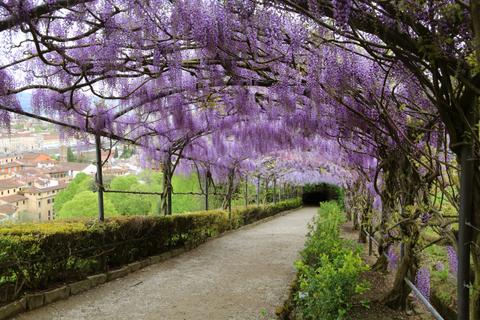
Offering breathtaking views of the city, the Giardino Bardini is a historic Italian Renaissance garden. It is famous for its dramatic baroque staircase and a wisteria-covered pergola that blooms spectacularly in the spring.
Bargello National Museum
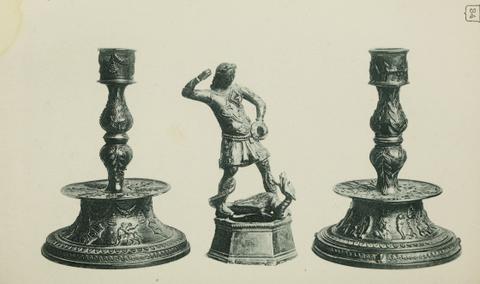
Housed in a former barracks and prison, the Bargello Museum holds Italy's most comprehensive collection of Renaissance sculpture. It features masterpieces by Donatello, Michelangelo, and other great artists of the period.
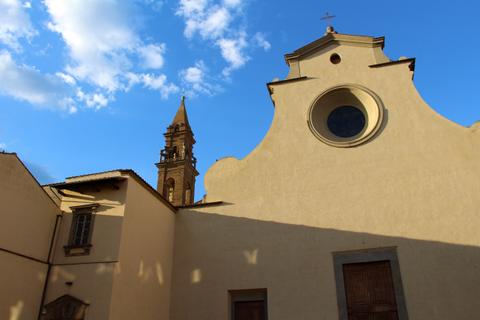
Basilica di Santo Spirito
Located in the Oltrarno quarter, this church is a prime example of Renaissance architecture, with an interior designed by Filippo Brunelleschi. It is known for its simple, harmonious proportions and houses a wooden crucifix sculpted by a young Michelangelo.
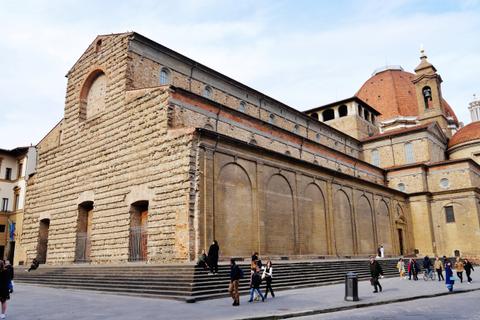
Basilica of San Lorenzo
One of the largest and oldest churches in Florence, San Lorenzo was the parish church of the Medici family. The complex includes the Laurentian Library, designed by Michelangelo, and the Medici Chapels.
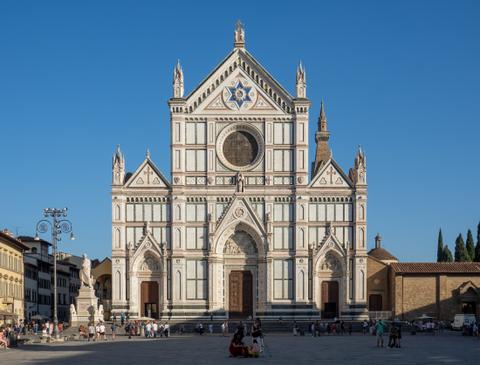
Basilica of Santa Croce
This principal Franciscan church in Florence is the burial place of some of Italy's most illustrious figures, such as Michelangelo, Galileo, and Machiavelli. It is also known for its beautiful frescoes by Giotto and its serene cloisters.
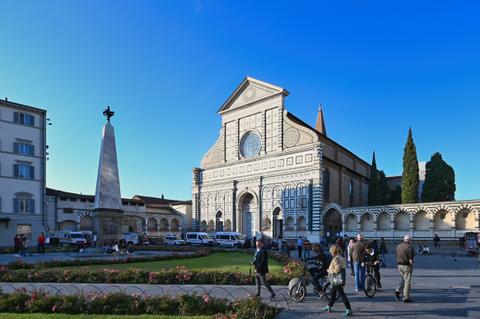
Basilica of Santa Maria Novella
Situated near the main train station, this is the first great basilica in Florence and a key example of Italian Gothic architecture. Its interior contains extraordinary works of art, including Masaccio's fresco of the Holy Trinity.
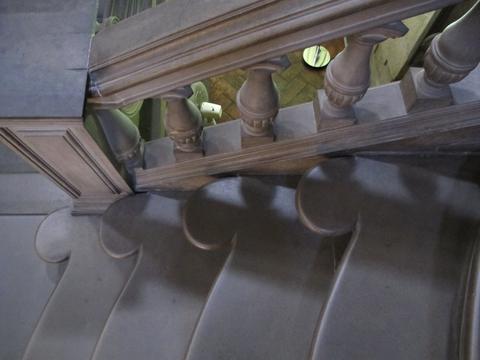
Biblioteca Medicea Laurenziana
The Laurentian Library, housed in a cloister of the Basilica of San Lorenzo, was designed by Michelangelo. It is renowned for its magnificent reading room and vestibule, which are considered masterpieces of Mannerist architecture.
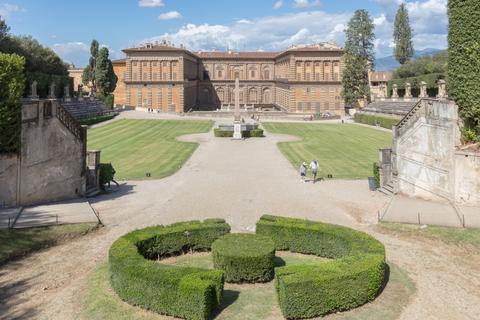
Boboli Gardens
Located behind the Pitti Palace, the Boboli Gardens are a magnificent example of Italianate garden design. The expansive grounds feature a collection of sculptures, fountains, and grottoes, creating an open-air museum.
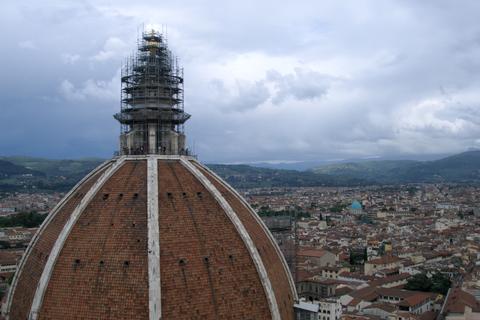
Brunelleschi's Dome
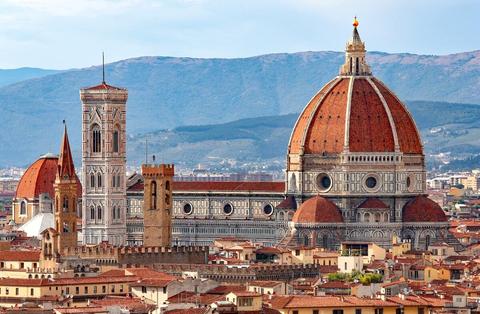
The magnificent terracotta-tiled cupola of the Florence Cathedral was an engineering marvel of the Renaissance, designed by Filippo Brunelleschi. Visitors can climb its 463 steps for an up-close look at the dome's structure and panoramic views of Florence.
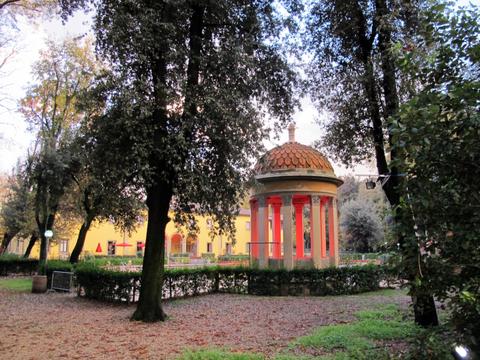
Cascine Park
The largest public park in Florence, this vast green space stretches along the north bank of the Arno River. Originally a Medici estate, it is now a popular spot for jogging, cycling, picnics, and hosting a large weekly market.
/Florence%20Cathedral%20(Duomo).jpg)
Florence Cathedral (Duomo)
The Cattedrale di Santa Maria del Fiore is the main church of Florence, famous for its distinctive Gothic architecture and massive dome. Its construction spanned several centuries, resulting in a breathtaking landmark that dominates the city's skyline.
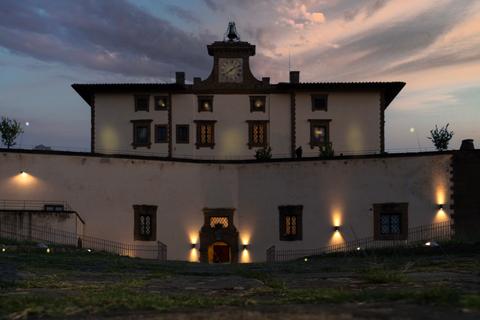
Forte di Belvedere
A 16th-century fortress built by the Medici family, located on a hill overlooking the Boboli Gardens. It offers stunning panoramic views of Florence and often serves as a venue for contemporary art exhibitions and cultural events.
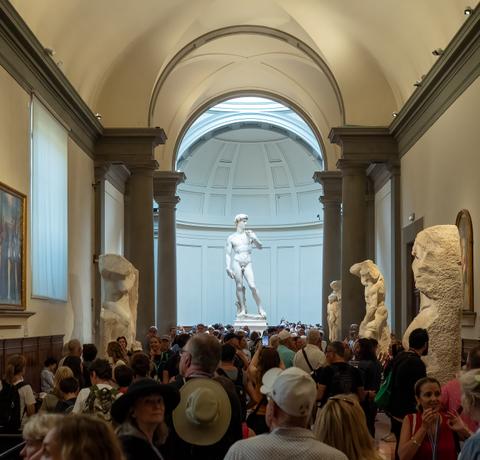
Galleria dell'Accademia
The Academy Gallery is world-famous for housing Michelangelo's magnificent sculpture, David. The museum also contains other important sculptures by Michelangelo and a large collection of Florentine paintings.
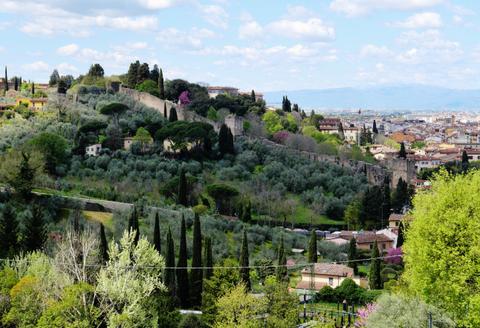
Giardino delle Rose
The Rose Garden is a tranquil public park located just below Piazzale Michelangelo, offering splendid views of the city. It is home to over 350 varieties of roses, a Japanese garden, and sculptures by Belgian artist Jean-Michel Folon.
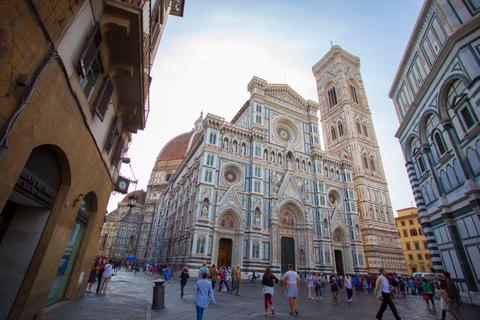
Giotto's Bell Tower
Standing adjacent to the cathedral, Giotto's Campanile is a masterpiece of Florentine Gothic architecture, richly decorated with sculptures and polychrome marble. Climbing the tower offers another spectacular vantage point over the city and the Duomo itself.
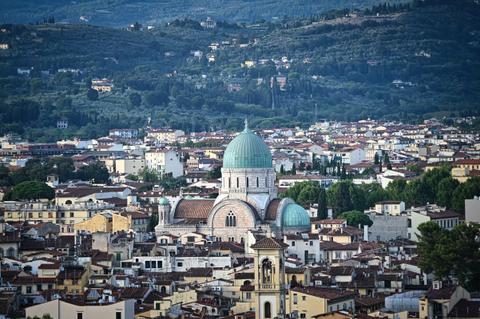
Great Synagogue of Florence
An architectural jewel of the 19th century, the Tempio Maggiore is a magnificent synagogue built in the Moorish Revival style. Its large green copper dome is a prominent feature of the Florentine skyline, and it also houses a Jewish museum.
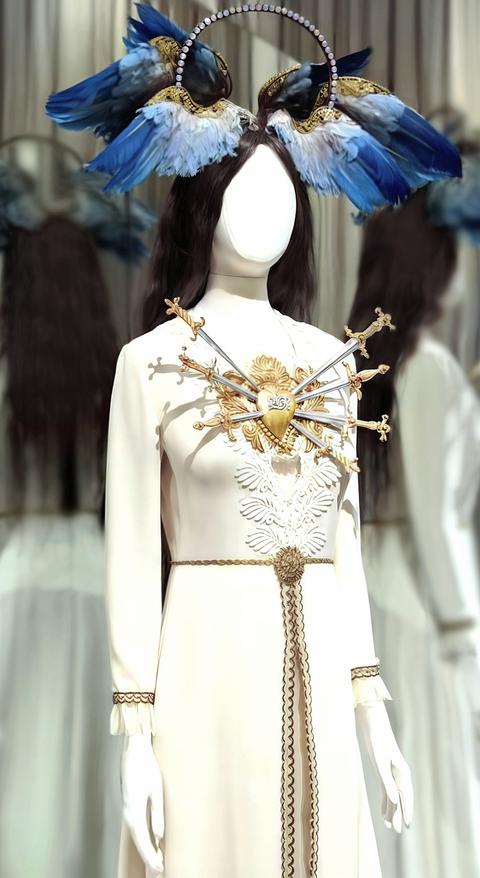
Gucci Garden
Located in the historic Palazzo della Mercanzia, the Gucci Garden is a museum and creative space dedicated to the iconic fashion brand. It showcases historic designs, advertising campaigns, and contemporary art collaborations.

Historic Centre of Florence
A UNESCO World Heritage site, this area encompasses the city's most important monuments and artistic treasures from the Renaissance. It is a testament to Florence's role as a center of art, culture, and commerce from the 13th to the 16th century.
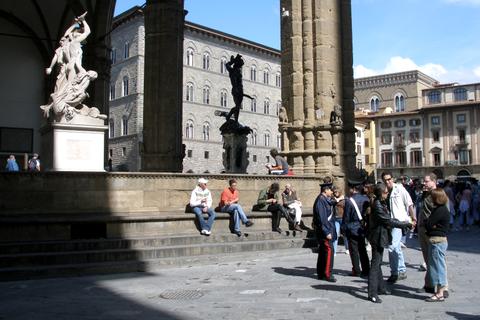
Loggia dei Lanzi
An open-air sculpture gallery on the corner of Piazza della Signoria, adjoining the Uffizi Gallery. It contains a collection of Renaissance and Roman sculptures, including Benvenuto Cellini's 'Perseus with the Head of Medusa'.
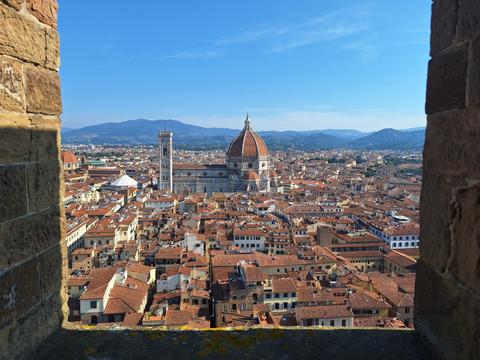
Medici Chapels
The Cappelle Medicee are part of the San Lorenzo church complex and serve as the mausoleum for the powerful Medici family. The site is famed for the New Sacristy, designed by Michelangelo, which features his allegorical sculptures of Day, Night, Dawn, and Dusk.
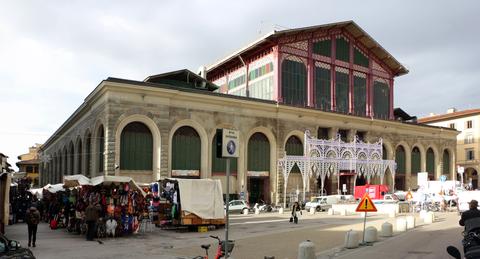
Mercato Centrale
The Central Market is a vibrant two-level food market housed in a 19th-century iron and glass building. The ground floor is a traditional market selling local produce, while the upper level is a modern food hall with numerous eateries.
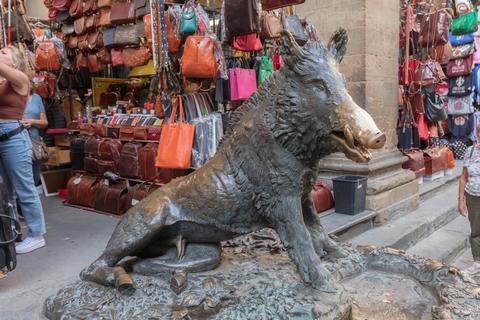
Mercato Nuovo
Also known as the Porcellino Market, this covered loggia is famous for its bronze statue of a wild boar, whose snout is rubbed for good luck. It is a popular spot for tourists to buy leather goods, scarves, and souvenirs.
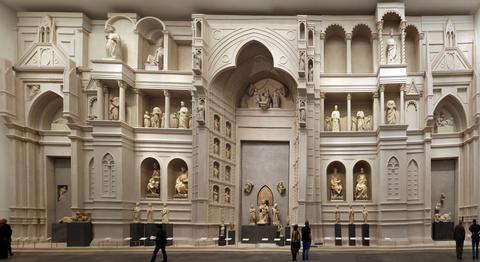
Museo dell'Opera del Duomo
This museum houses the original masterpieces created for the Florence Cathedral complex. Highlights include Ghiberti's original 'Gates of Paradise' doors, Donatello's sculptures, and Michelangelo's 'The Deposition' Pieta.
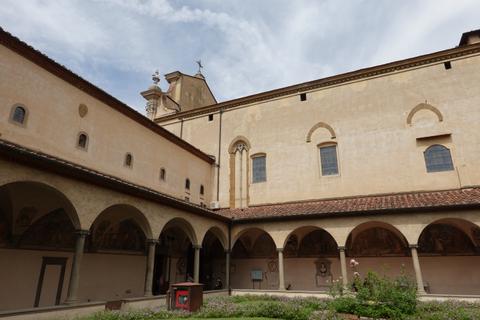
Museo di San Marco
This museum is located in a former Dominican convent and is renowned for its collection of works by the early Renaissance painter Fra Angelico. Visitors can see his stunning frescoes in their original setting, including in the monks' cells.
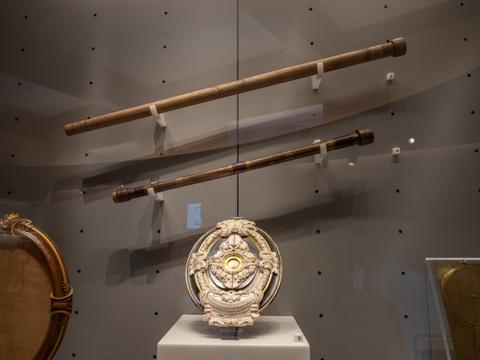
Museo Galileo
This museum is dedicated to the history of science and houses one of the world's most important collections of scientific instruments. It features antique tools from the Medici collections and Lorraine dynasties, including telescopes belonging to Galileo Galilei.
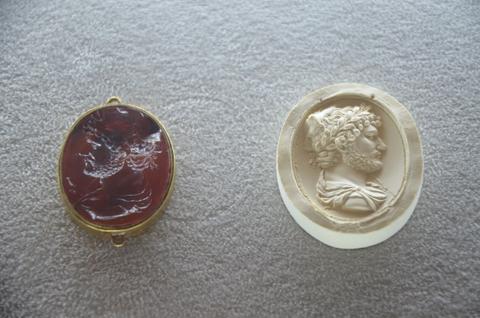
National Archaeological Museum, Florence
This museum holds an important collection of artifacts from Etruscan, Roman, and Greek civilizations. It also features a significant Egyptian section, second only to the Egyptian Museum in Turin within Italy.
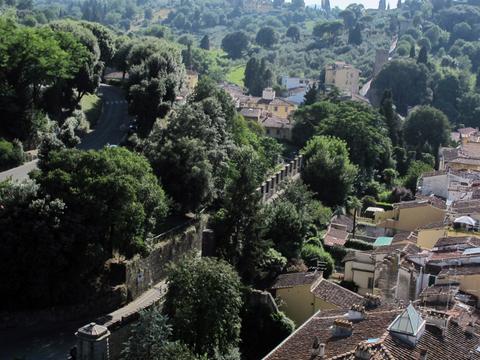
Oltrarno
Meaning 'beyond the Arno,' this district is known as Florence's artisan quarter. Its charming streets are filled with traditional workshops (botteghe) where craftspeople create leather goods, jewelry, and other handmade items.
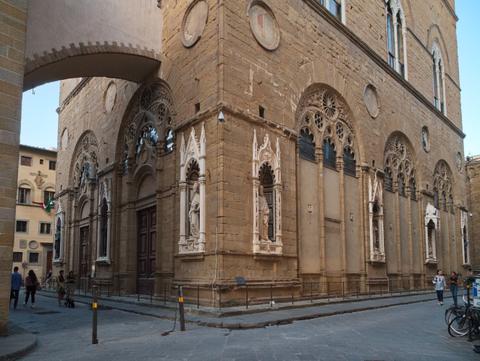
Orsanmichele Church and Museum
Originally a grain market, this unique building was converted into a church for Florence's powerful craft and trade guilds. Its exterior niches are adorned with sculptures by masters like Donatello and Ghiberti, with the originals housed in the museum upstairs.
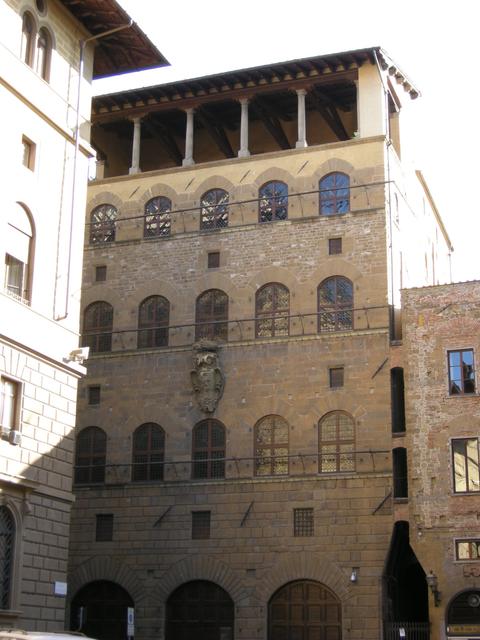
Palazzo Davanzati Museum
This museum offers a rare glimpse into the domestic life of a wealthy Florentine family during the 14th century. The well-preserved medieval tower house features original frescoes, painted ceilings, and period furnishings.
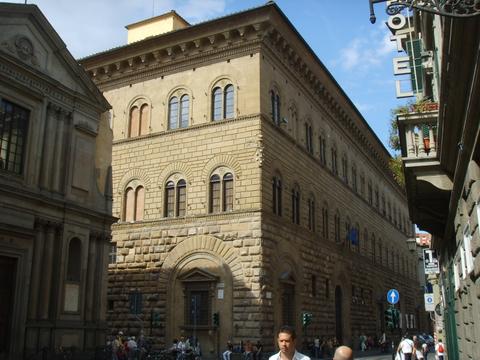
Palazzo Medici Riccardi
The first Renaissance palace in Florence, this was the home of Cosimo the Elder de' Medici and his family. Its most famous feature is the Magi Chapel, adorned with magnificent frescoes by Benozzo Gozzoli depicting the Medici family.
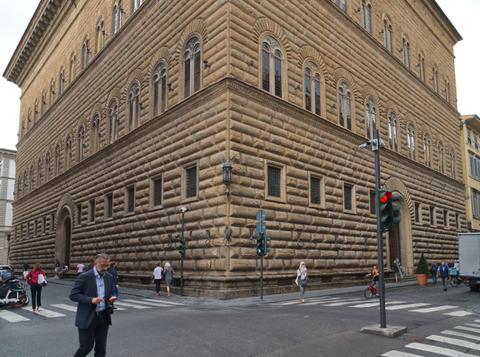
Palazzo Strozzi
A masterpiece of Renaissance civil architecture, this imposing palace is now a major cultural center in Florence. It hosts a dynamic program of large-scale international art exhibitions, from historical masterpieces to contemporary works.
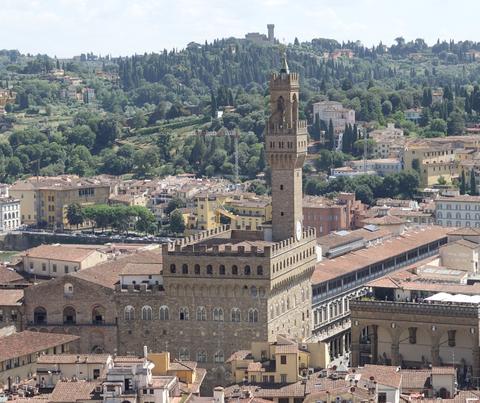
Palazzo Vecchio
Florence's town hall, this fortress-palace is a symbol of the city's civic power and history. Inside, visitors can explore lavishly decorated chambers, including the grand Salone dei Cinquecento, and climb the Arnolfo Tower for city views.
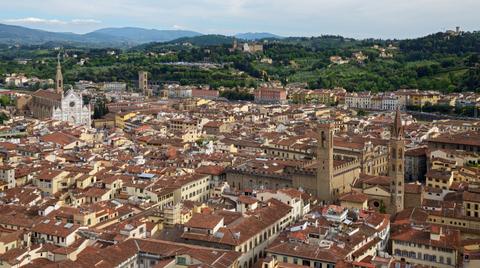
Piazza della Signoria
This L-shaped square in front of the Palazzo Vecchio has been the political heart of Florence for centuries. It functions as an open-air museum with numerous statues, including a replica of Michelangelo's David and the Fountain of Neptune.
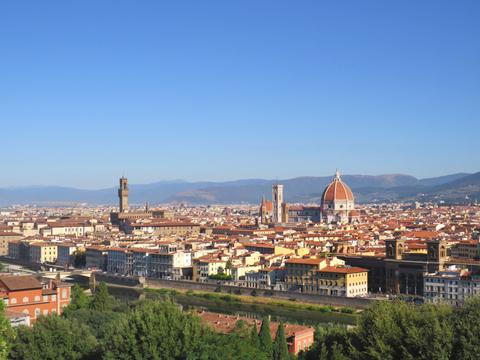
Piazzale Michelangelo
This square, located on a hill on the south bank of the Arno River, offers the most famous panoramic view of Florence. At its center is a bronze replica of Michelangelo's David, making it a popular spot, especially at sunset.
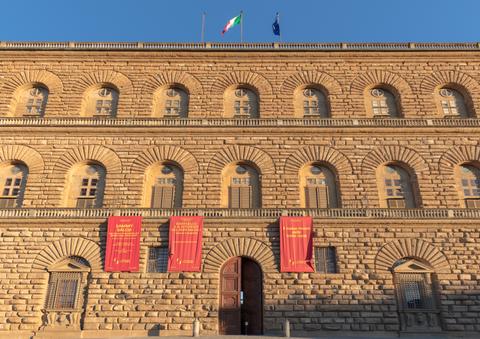
Pitti Palace
A vast Renaissance palace that was once the residence of the Medici family, the Pitti Palace now houses several important museums. These include the Palatine Gallery, the Gallery of Modern Art, and the Museum of Costume and Fashion.
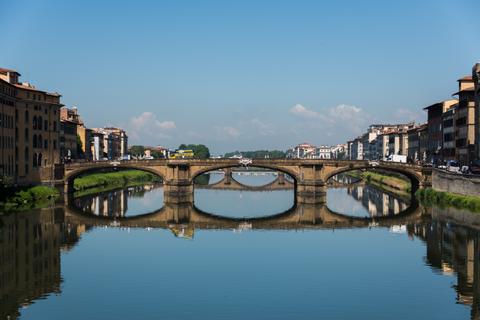
Ponte Santa Trinita
An elegant Renaissance bridge over the Arno River, considered one of the most beautiful in Italy. It is known for its graceful, flattened arches and is adorned with statues of the Four Seasons.
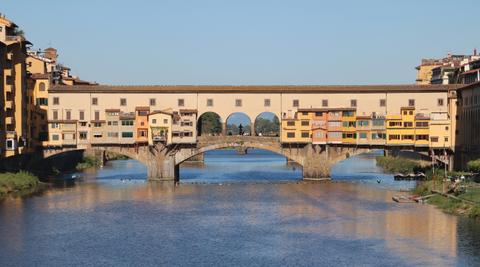
Ponte Vecchio
The oldest bridge in Florence, the Ponte Vecchio is a medieval stone bridge spanning the Arno River. It is uniquely lined with shops, which have been occupied by jewelers, art dealers, and souvenir sellers since the 16th century.

San Lorenzo Market
Surrounding the Mercato Centrale, the San Lorenzo Market is a sprawling outdoor market famous for its leather goods. Shoppers can find a wide variety of bags, jackets, belts, and souvenirs in the bustling stalls.
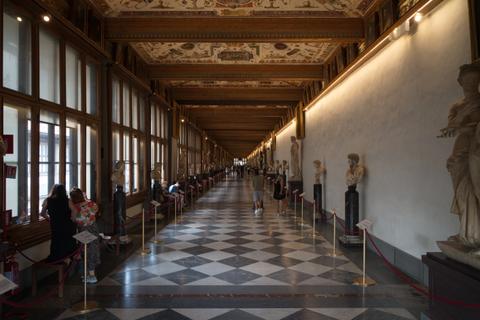
Uffizi Gallery
One of the most famous art museums in the world, the Uffizi Gallery holds a vast collection of priceless works, particularly from the Italian Renaissance. Masterpieces by artists like Botticelli, Leonardo da Vinci, and Michelangelo are housed within its historic halls.

Vasari Corridor
An enclosed, elevated passageway that connects the Palazzo Vecchio with the Pitti Palace, passing over the Ponte Vecchio. Built by Giorgio Vasari for Duke Cosimo I de' Medici, it allowed the grand dukes to move safely between their residence and government offices.
How Rafeek works in Florence
Download Rafeek
Get the app on iOS or Android and pick your destination.
Choose a guide
Browse the landmarks nearby and choose the ones you want.
Press play and walk
Listen as you go, at your own pace, online or offline.
About Florence
Florence is the capital and most populous city of the Italian region of Tuscany, and, as of 2026, with a population of 361,625, the 8th most populous city in the country. It is also the capital of the eponymous metropolitan province, which counts 988,494 inhabitants, while Eurostat estimates that 696,767 people live in the urban area of Florence. The Metropolitan Area of Florence, Prato and Pistoia, constituted in 2000 over an area of roughly 4,800 square kilometres (1,850 sq mi), is home to 1.5 million people.
Simple pricing
Try Rafeek before you pay for anything.
Free
$0
Start with sample guides and browse every destination and landmark before you commit.
Full access
In-app
Unlock complete audio guides, offline listening, and every landmark in the city from inside the app.
Ready to explore Florence?
Download Rafeek and let every landmark tell you its story.