Spain · Europe
Discover Valencia with Rafeek
Valencia, known officially in Valencian as València, is the capital and largest city of the Valencian Community and the province of the same name in Spain.


Seeing Valencia without the story is only half the trip
The problem
Group tours run on someone else's clock, printed signs say too little, and searching for context on your phone pulls you out of the moment. Most travellers leave Valencia with photos but no sense of what they actually saw.
How Rafeek fixes it
Rafeek is a personal audio guide in your pocket. Press play at each landmark in Valencia, listen at your own pace, and keep your eyes on the place instead of a screen. Guides work offline, so no roaming or signal worries.
What you'll discover in Valencia
30 landmarks with their own audio guide — tap any one to read what you'll hear.
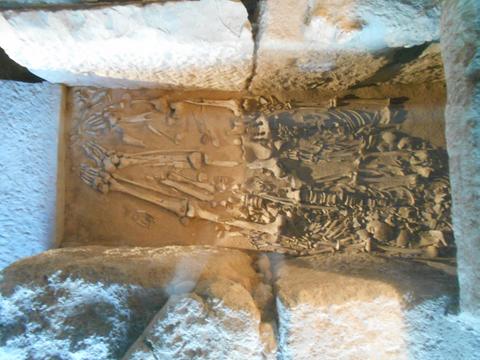
Almoina Archaeological Museum
An underground museum located next to the cathedral, showcasing the archaeological remains of the city's origins. Visitors can walk on glass floors over the ruins of Roman baths, Visigothic tombs, and the foundations of the Arab city. It provides a fascinating journey through Valencia's 2,000-year history.
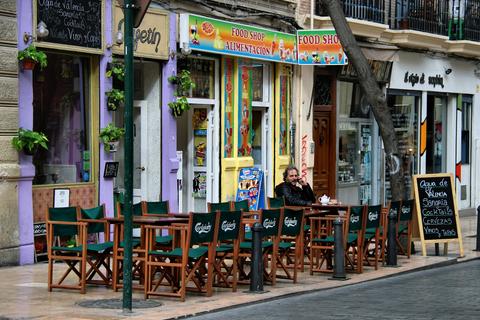
Barrio del Carmen
The historic heart of Valencia's old town, a charming labyrinth of narrow medieval streets. By day, it's a place to explore ancient buildings and quirky boutiques; by night, it transforms into a vibrant hub for dining and nightlife. The neighborhood is also famous for its impressive street art.
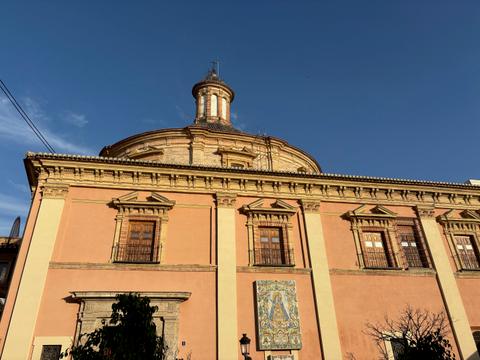
Basilica de la Virgen de los Desamparados
This Baroque basilica is dedicated to the patron saint of Valencia, Our Lady of the Forsaken. Located in the Plaza de la Virgen, it is one of the most significant religious sites for Valencians. Its oval-shaped interior and frescoed dome are particularly noteworthy.
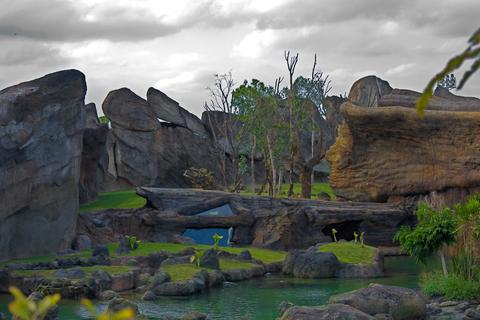
Bioparc Valencia
An innovative 10-hectare zoo that practices the concept of zoo-immersion, recreating the natural habitats of the animals. The park specializes in African fauna, allowing visitors to see animals like gorillas, giraffes, and lions with nearly invisible barriers. It is a unique experience that promotes respect for animals and the environment.
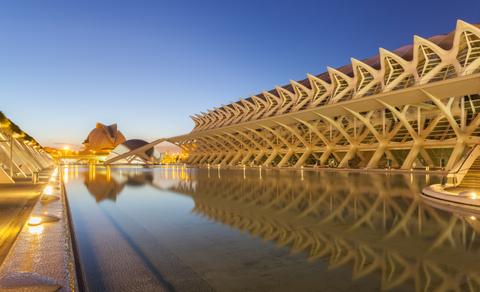
Ciudad de las Artes y las Ciencias
An ultramodern cultural and architectural complex designed by Santiago Calatrava and Felix Candela. This stunning ensemble of futuristic buildings houses an opera house, a science museum, an aquarium, and more. It is one of the most important modern tourist destinations in Valencia and one of the 12 Treasures of Spain.
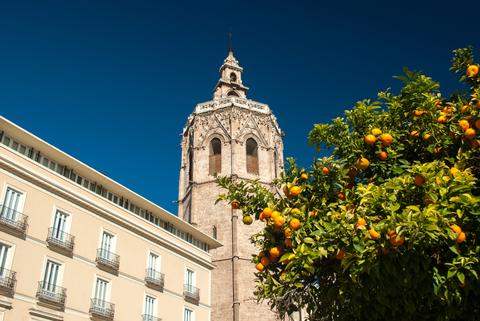
El Miguelete
The iconic octagonal bell tower of the Valencia Cathedral, known locally as El Micalet. This Gothic tower stands over 50 meters tall, and visitors can climb its 207-step spiral staircase. The reward is a breathtaking 360-degree view of Valencia's historic center and beyond.
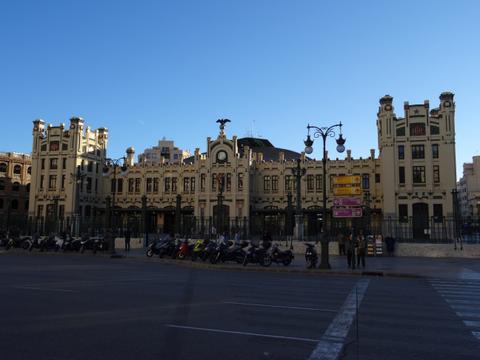
Estacio del Nord
Valencia's main railway station is a masterpiece of Valencian Art Nouveau architecture, inaugurated in 1917. The facade is richly decorated with motifs inspired by Valencian agriculture, such as oranges and orange blossoms. The interior, especially the main hall, is equally impressive with its colorful mosaics and ceramics.
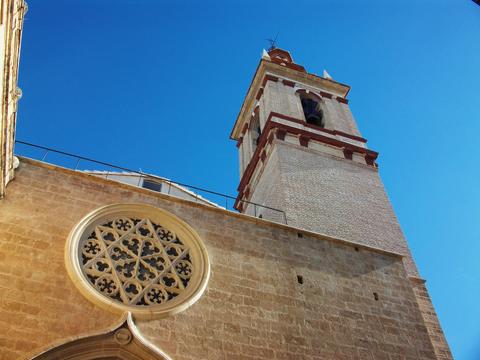
Iglesia de San Nicolas de Bari y San Pedro Martir
Often referred to as the 'Valencian Sistine Chapel,' this church is a stunning example of Gothic structure coexisting with Baroque decoration. Its interior ceilings are completely covered in spectacular frescoes depicting the lives of Saint Nicholas and Saint Peter Martyr. The recently restored artwork makes it a must-see attraction.
/Institut%20Valencia%20dArt%20Modern%20(IVAM).jpg)
Institut Valencia d'Art Modern (IVAM)
The Valencian Institute of Modern Art was the first center for modern art created in Spain. Its permanent collection focuses on key 20th-century artists and movements, with a particular emphasis on Valencian artists. The museum also hosts excellent temporary exhibitions of photography and contemporary art.
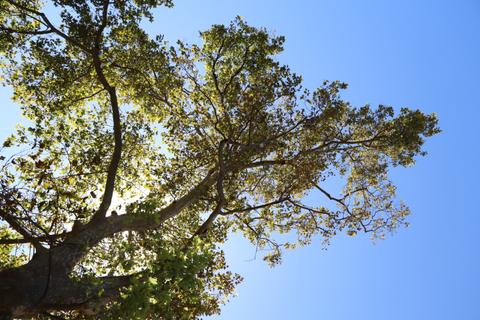
Jardi Botanic de la Universitat de Valencia
Founded in the 16th century, this is one of Spain's oldest botanical gardens. It belongs to the University of Valencia and houses a diverse collection of plants from around the world, including a notable collection of palm trees and cacti. The garden is a peaceful retreat from the bustling city.
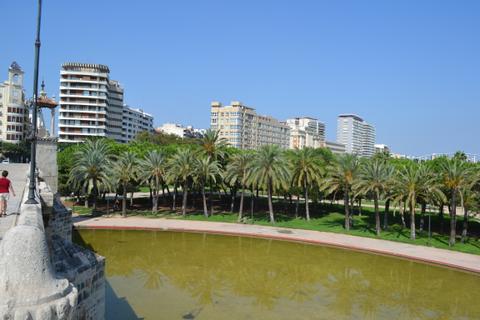
Jardin del Turia
A vast urban park created in the former riverbed of the Turia River, which was diverted after a catastrophic flood. Spanning over nine kilometers, it is a green oasis perfect for cycling, walking, sports, and relaxation. The park connects the Bioparc with the City of Arts and Sciences.
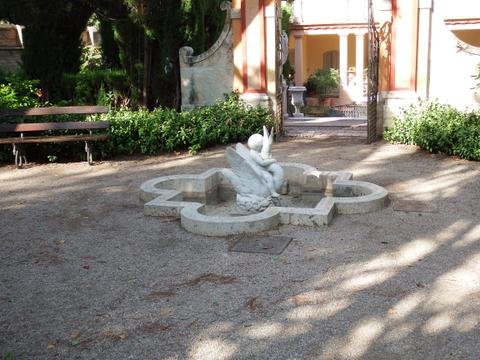
Jardines de Monforte
A beautiful and tranquil neoclassical garden, often considered one of Valencia's hidden gems. It features a geometric layout, numerous marble statues, serene ponds, and a charming small palace. It is a perfect spot for a quiet and romantic stroll away from the more crowded tourist areas.
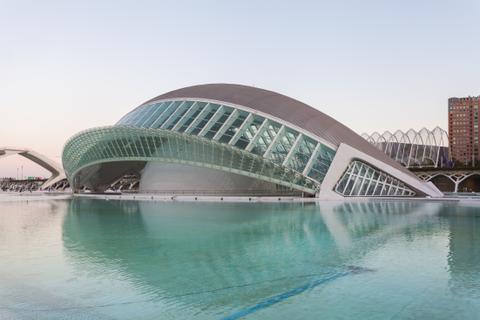
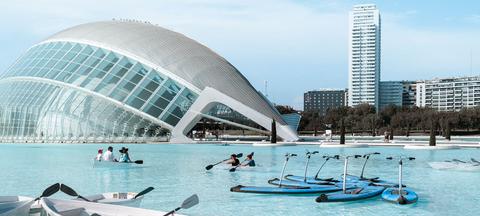
L'Hemisferic
Part of the City of Arts and Sciences, this building is designed to look like a giant human eye. It functions as an IMAX cinema, a planetarium, and a laserium, projecting educational films and astronomical shows onto its huge concave screen. The building's reflection in the surrounding water is a spectacular sight.
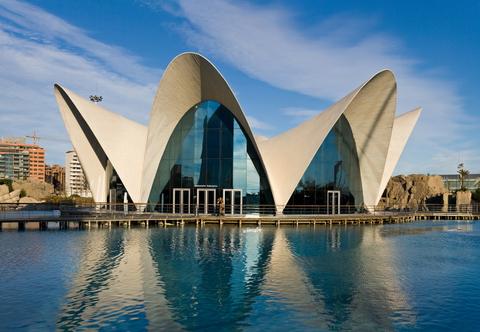
L'Oceanografic
Located within the City of Arts and Sciences, this is the largest aquarium in Europe. It represents the world's main marine ecosystems, with different buildings dedicated to areas like the Mediterranean, wetlands, and oceans. The underwater tunnel and dolphinarium are among its most popular features.
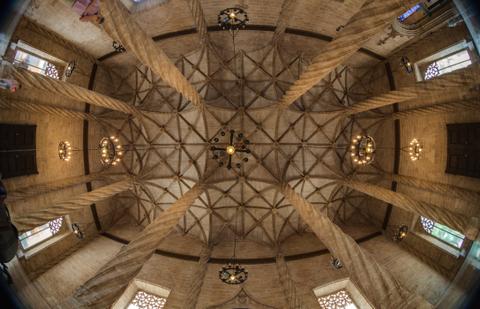
La Lonja de la Seda
A masterpiece of late Valencian Gothic architecture, this former silk exchange is a UNESCO World Heritage site. Its main hall, the Sala de Contratacion, is famous for its majestic, twisting columns that resemble palm trees. The building stands as a symbol of the city's golden age during the 15th century.
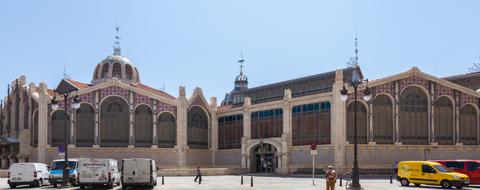
Mercado Central
One of Europe's oldest and largest running food markets, housed in a spectacular Art Nouveau building. It is a vibrant hub of local life, filled with over 1,200 stalls selling fresh produce, meats, cheeses, and local delicacies. The building itself is a landmark, known for its colorful domes and intricate ironwork.
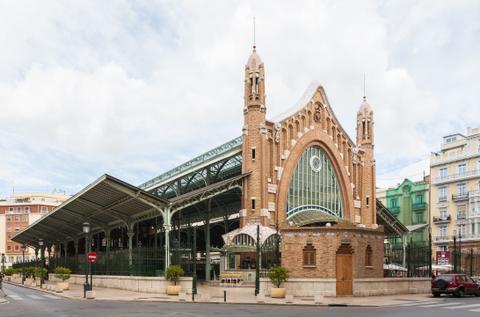
Mercado de Colon
A former market converted into a stylish gastronomic space, housed in a stunning Art Nouveau building designed by Francisco Mora Berenguer. It is a popular spot for locals to enjoy a coffee, horchata, or a meal in one of its many cafes and restaurants. The architecture alone makes it worth a visit.
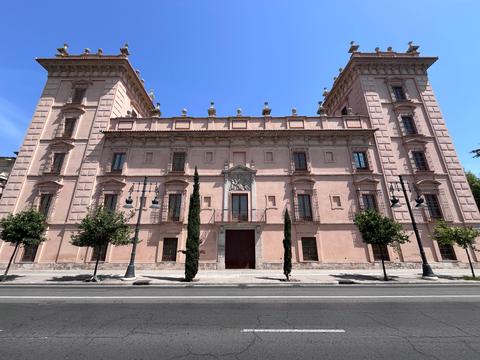
Museo de Bellas Artes
The Museum of Fine Arts of Valencia is one of the most important art museums in Spain. It holds a vast collection of works from the 14th to the 17th centuries, with a special focus on Valencian masters like Sorolla, Ribalta, and Goya. The museum is housed in the beautiful St. Pius V Palace.
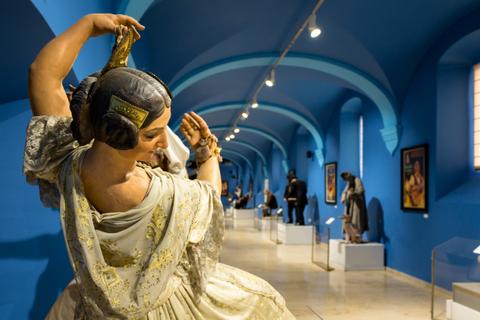
Museo Fallero
This unique museum is dedicated to Valencia's most famous festival, Las Fallas. It displays a collection of 'ninots' (large papier-mache figures) that have been saved from being burned in the festival's bonfires by popular vote since 1934. It offers a great insight into the artistry and tradition of the festival.
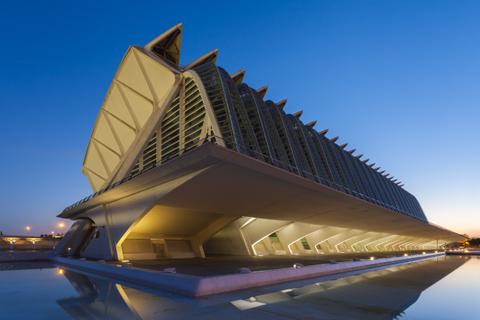
Museu de les Ciencies Principe Felipe
An interactive science museum located within the City of Arts and Sciences. Its motto is 'Forbidden not to touch, not to feel, not to think,' encouraging visitors to engage with the exhibits. The building's architecture itself is remarkable, resembling the skeleton of a whale.
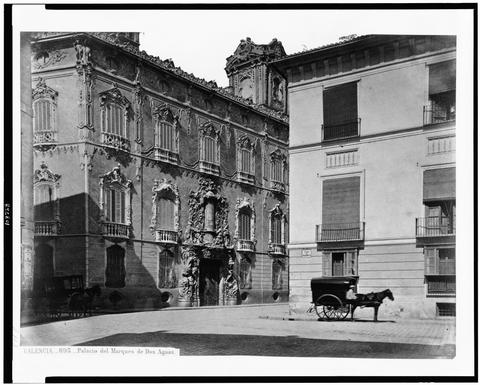
Palacio del Marques de Dos Aguas
An opulent Rococo palace, famous for its incredibly ornate alabaster entryway. The building now houses the National Museum of Ceramics and Decorative Arts 'Gonzalez Marti'. Inside, you can admire lavishly decorated rooms and an extensive collection of ceramics from different eras.
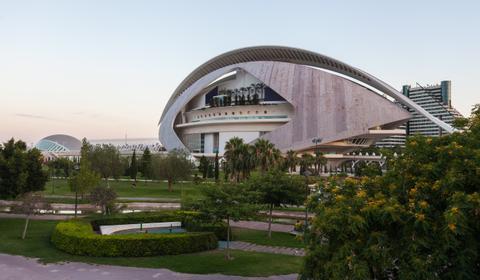
Palau de les Arts Reina Sofia
The spectacular opera house and performing arts center within the City of Arts and Sciences. Designed by Santiago Calatrava, its sweeping, helmet-like form is an architectural icon. It hosts a world-class program of opera, ballet, and concerts in its four state-of-the-art auditoriums.
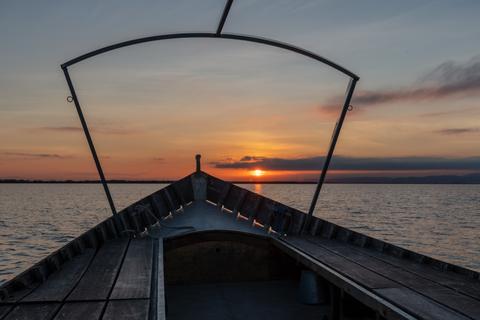
Parque Natural de la Albufera
A vast freshwater lagoon and estuary located just south of the city, representing one of the most important wetland areas in Spain. It is a paradise for birdwatchers and nature lovers, and is famously known as the birthplace of paella. Visitors can take traditional boat trips on the lake, especially beautiful at sunset.
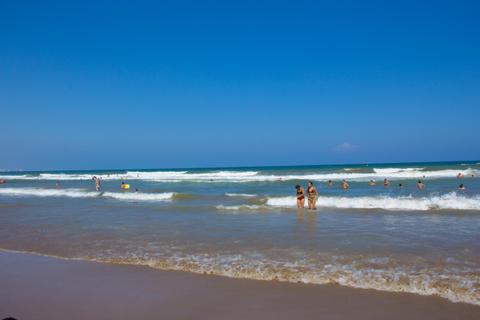
Playa de la Malvarrosa
Valencia's main city beach, a wide and long stretch of golden sand perfect for sunbathing and swimming. The lively promenade is lined with numerous restaurants and cafes, making it a popular spot for both locals and tourists. It is easily accessible from the city center.
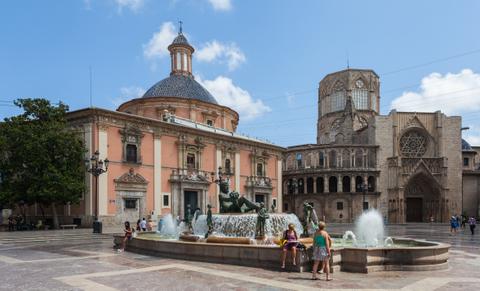
Plaza de la Virgen
A historic and picturesque square in the heart of Valencia's old town. It is surrounded by three of the city's most emblematic buildings: the Valencia Cathedral, the Basilica of the Virgin, and the Palace of the Generalitat. The Turia Fountain in the center of the square is a popular meeting point.
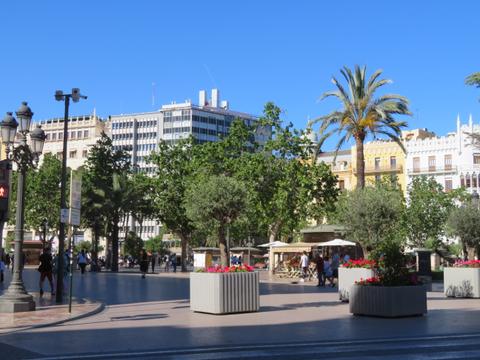
Plaza del Ayuntamiento
The city's central and largest square, surrounded by magnificent architecture from the early 20th century. It is home to the impressive City Hall (Ayuntamiento) and the central Post Office building. The square is the focal point for major city events, including the famous Fallas festival.
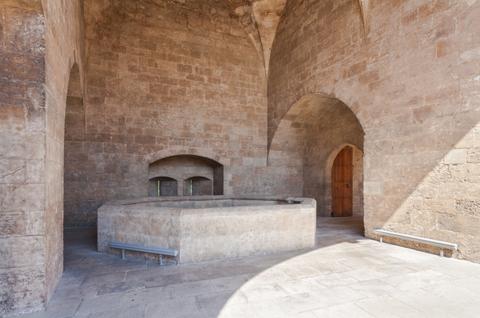
Torres de Quart
The other surviving gate of Valencia's medieval city wall, alongside the Torres de Serranos. These robust towers are a fine example of late Gothic military architecture and still bear the visible scars of cannonballs from the Napoleonic Peninsular War. Climbing them offers a different perspective of the city's western side.
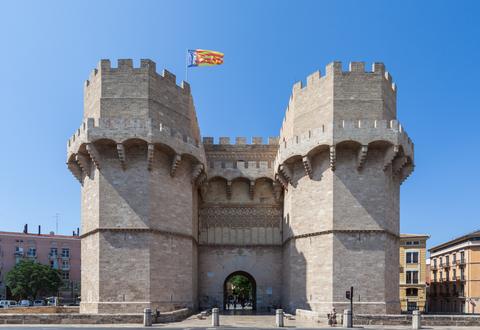
Torres de Serranos
One of the two remaining fortified gates of the ancient medieval city wall of Valencia. This grand structure is considered one of the best-preserved examples of Gothic military architecture in Spain. Visitors can climb to the top for excellent views of the old town and the Turia Gardens.
Tribunal de las Aguas
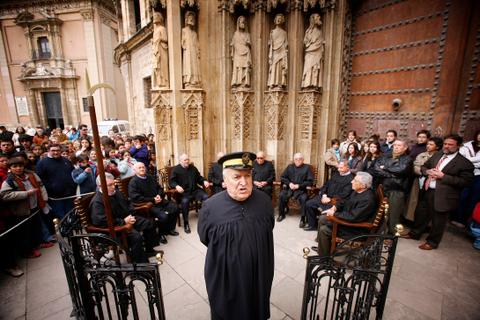
The Water Tribunal of the Plain of Valencia is one of the oldest legal institutions in Europe, recognized by UNESCO as Intangible Cultural Heritage. Every Thursday at noon, it meets publicly at the Apostle's Door of the Valencia Cathedral to settle disputes over irrigation water among farmers. This living tradition has been taking place for over a thousand years.
Valencia Cathedral
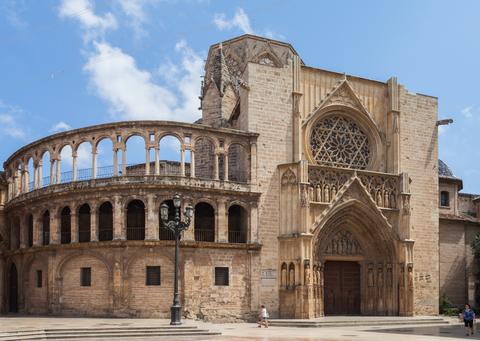
A magnificent cathedral that blends Gothic, Romanesque, and Baroque architectural styles. It is renowned for housing what many believe to be the Holy Grail, the cup from which Jesus drank at the Last Supper. Visitors can also climb the Miguelete bell tower for panoramic views of the city.
How Rafeek works in Valencia
Download Rafeek
Get the app on iOS or Android and pick your destination.
Choose a guide
Browse the landmarks nearby and choose the ones you want.
Press play and walk
Listen as you go, at your own pace, online or offline.
About Valencia
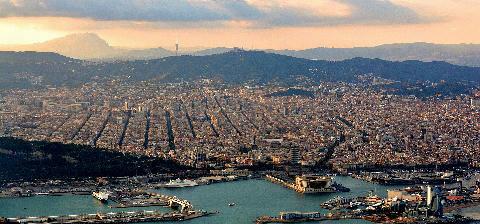
Valencia, known officially in Valencian as València, is the capital and largest city of the Valencian Community and the province of the same name in Spain. It is located on the banks of the Turia, on the east coast of the Iberian Peninsula on the Mediterranean Sea. With a population of 824,340, it is the third most-populous city in Spain. The urban area of Valencia has 1.6 million people while the metropolitan region has 2.5 million.
Simple pricing
Try Rafeek before you pay for anything.
Free
$0
Start with sample guides and browse every destination and landmark before you commit.
Full access
In-app
Unlock complete audio guides, offline listening, and every landmark in the city from inside the app.
Ready to explore Valencia?
Download Rafeek and let every landmark tell you its story.