Long before Rome became a city of famous landmarks and busy streets, the Roman Forum was where everyday life unfolded. This was the center of politics, commerce, religion, and public gatherings, where decisions that shaped an empire were made. Today, walking through its ancient ruins is more than a visit to an archaeological site. It's an opportunity to imagine the people, events, and stories that once filled these streets. This guide to Visiting the Roman Forum explores what makes the site so significant and what it's like to experience it today.
Where Ancient Rome Came to Life
The Roman Forum began as a simple marketplace in the 7th century BC before gradually developing into the political, religious, and commercial center of ancient Rome. As the Roman Republic and later the Roman Empire expanded, the Forum grew with them, becoming the setting for public speeches, elections, religious ceremonies, triumphal processions, and important legal proceedings. More than just a collection of impressive buildings, it was the place where everyday life and the affairs of an empire came together.
When visiting the Roman Forum today, it's easy to see why this area was once considered the heart of the city. Although many of its temples and monuments now stand in ruins, they continue to reflect the importance of a place that shaped Roman history and influenced the development of Western civilization.
Walking Through the Heart of the Roman Empire
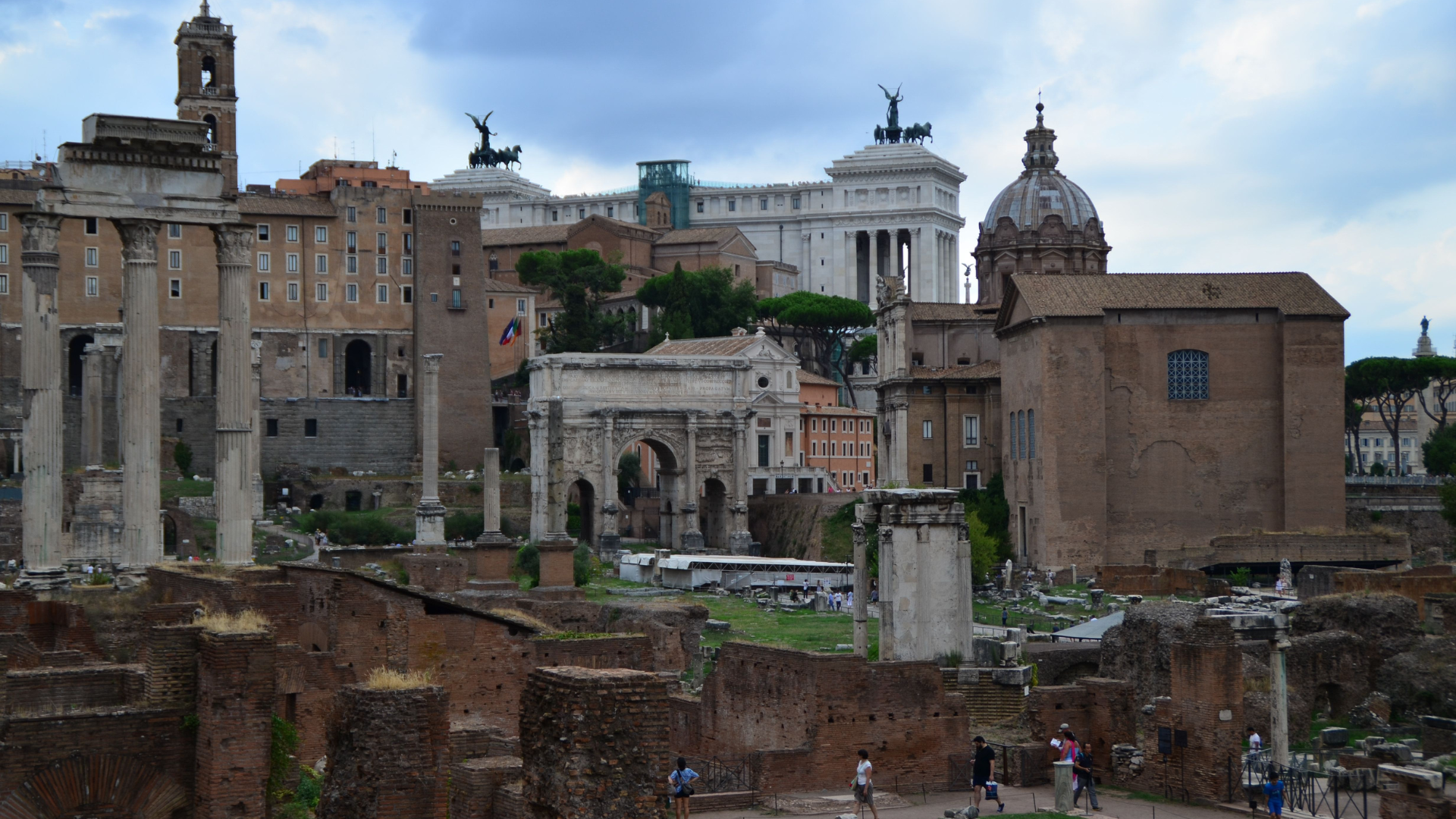
Walking through the Roman Forum feels less like visiting a historic monument and more like stepping into the remains of a once-living city. The stone streets still follow their ancient routes, connecting spaces where Roman rulers, senators, merchants, and ordinary citizens carried out their daily lives. Rather than standing before a single landmark, visitors move through an entire district that once shaped the course of Roman history.
Unlike many archaeological sites, the Roman Forum invites visitors to imagine how its streets, temples, and public spaces were once filled with conversation, ceremonies, and political debate. Exploring the site at a slower pace makes it easier to appreciate how closely today's ruins are connected to the life of ancient Rome.
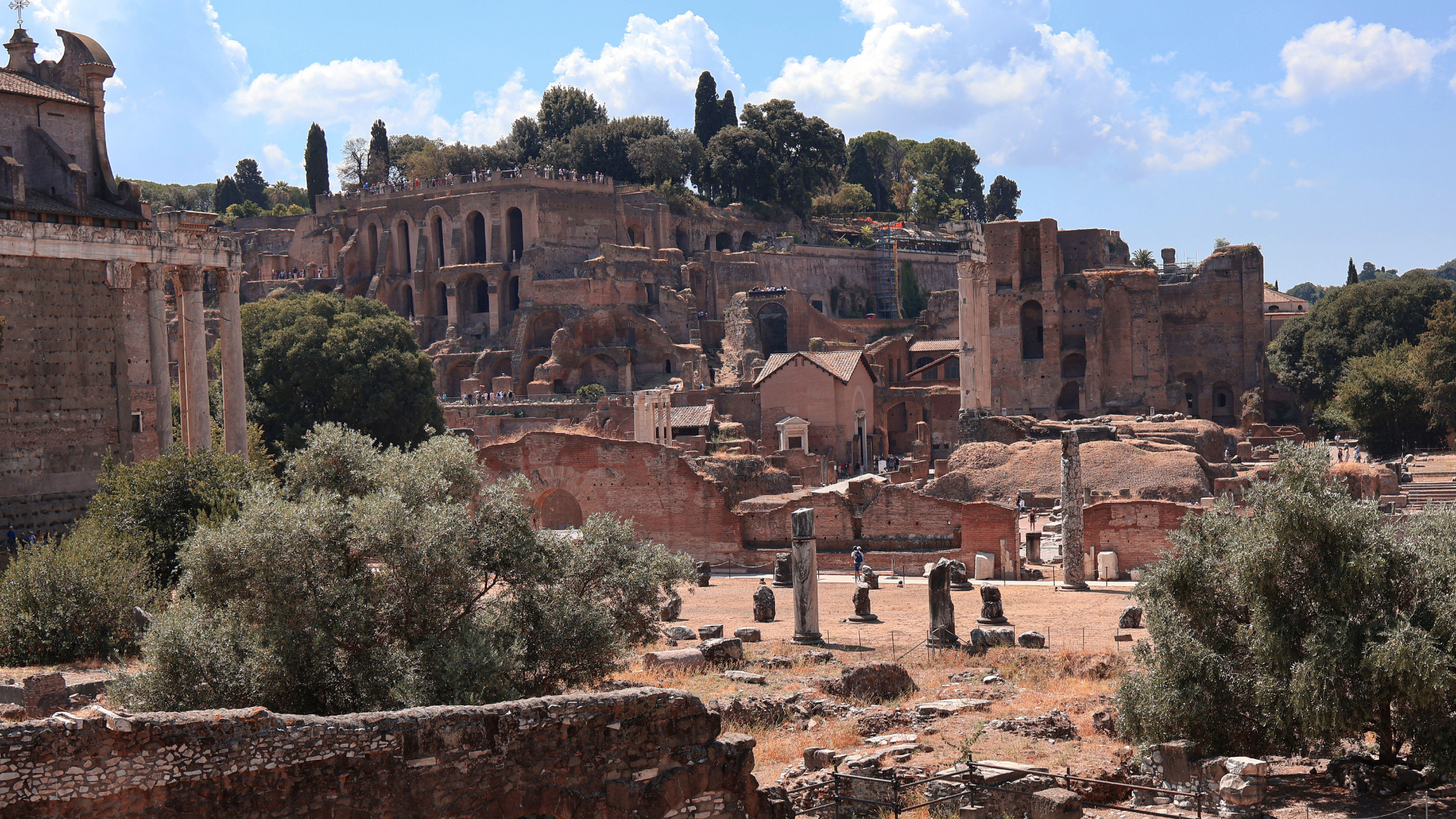
The Ruins That Still Tell Their Stories
Every structure within the Roman Forum reflects a different chapter of ancient Rome's history. The Temple of Saturn, once home to the state's treasury, reminds visitors of the Forum's financial importance, while the Arch of Titus commemorates one of Rome's most significant military victories. Nearby, the Temple of Vesta was home to a flame that symbolized the continuity of Rome, while the remains of the Basilica Julia reveal where legal cases and public affairs once took place.
Although many of these monuments have survived only in part, they continue to reveal how the Forum functioned as the center of Roman life. Together, these monuments provide a clearer picture of how politics, religion, commerce, and justice were closely connected within a single public space.
How to Experience the Roman Forum
The Roman Forum is a place best explored without rushing. Rather than focusing on individual ruins, take time to see how the temples, arches, and public spaces connect to form what was once the center of ancient Rome. Walking slowly through the site makes it easier to appreciate how each structure played a role in the city's political, religious, and social life.
To get the most from your visit, look beyond what's still standing and imagine the Forum as it once was. Many visitors find that a guide, audio tour, or illustrated map helps bring the ruins into context, making it easier to understand how this remarkable site functioned thousands of years ago.
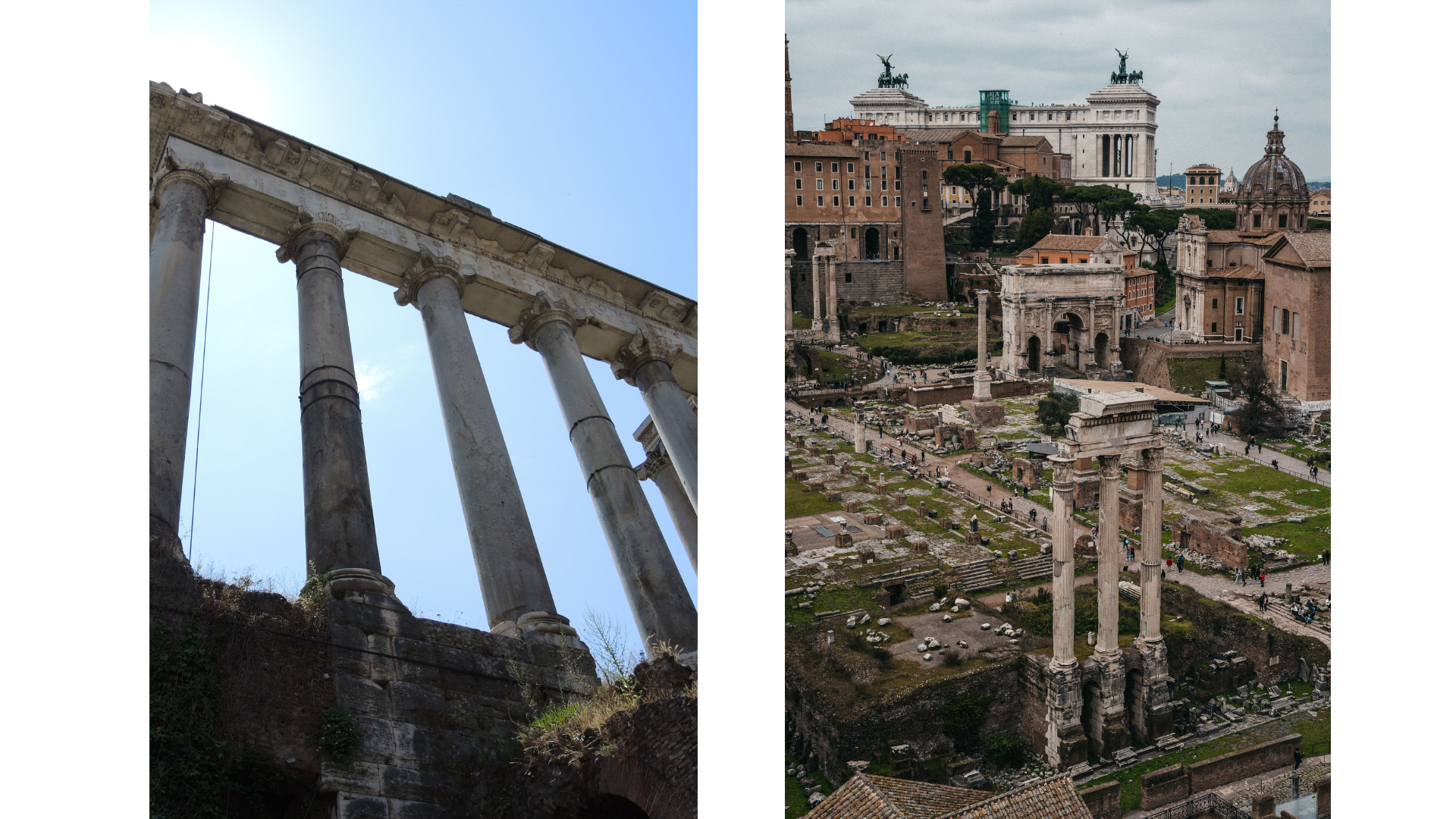
Planning Your Visit
Most visitors spend between one and two hours exploring the Roman Forum, although history enthusiasts often allow more time to fully appreciate the site. Since admission is usually included with the combined ticket for the Colosseum and Palatine Hill, many travelers choose to visit all three attractions on the same day.
Comfortable walking shoes are highly recommended, as the Forum's ancient stone paths can be uneven in places. Bringing water, especially during the warmer months, can also make visiting the Roman Forum more enjoyable. Arriving earlier in the day or later in the afternoon often provides a more comfortable experience, with cooler temperatures and fewer crowds. Don't forget to bring your camera, as the Forum offers countless opportunities to capture ancient ruins framed by views of modern Rome.
Conclusion
Visiting the Roman Forum is more than exploring the remains of an ancient city—it's an opportunity to walk through the place where Roman history unfolded for centuries. Every temple, arch, and stone pathway tells part of a much larger story, offering visitors a deeper understanding of the people and events that shaped one of the world's greatest civilizations. Whether you're passionate about history or simply curious to experience one of Rome's most remarkable landmarks, the Roman Forum is a place that leaves a lasting impression long after your visit ends.