Amsterdam is often recognized for its picturesque canals, but the city's many bridges are just as important to its identity. Connecting neighborhoods, linking historic streets, and framing some of Amsterdam's most iconic views, these bridges shape the way both residents and visitors experience the city. From quiet residential crossings to lively spots filled with cyclists and pedestrians, every bridge adds something unique to Amsterdam's character. This guide explores how the Amsterdam Canal Bridge network has become an essential part of the city's layout, appearance, and everyday life.
Why Amsterdam Was Built Around Canals
Amsterdam's famous canal network began to take shape during the Dutch Golden Age in the 17th century, when the city expanded rapidly as a major center of trade and commerce. Rather than growing without a plan, Amsterdam was carefully designed around a series of concentric canals that improved transportation, managed water levels, supported trade, and created space for new neighborhoods.
As the canal ring expanded, bridges became an essential part of the city's design. They connected streets separated by water, allowing people, horse-drawn carts, and goods to move easily between different parts of the city. Over the centuries, these bridges evolved alongside Amsterdam itself, becoming not only practical crossings but also one of the city's most recognizable architectural features. Today, every Amsterdam Canal Bridge reflects the thoughtful planning that helped shape Amsterdam into the city visitors know today.
Every Amsterdam Canal Bridge Has Its Own Character
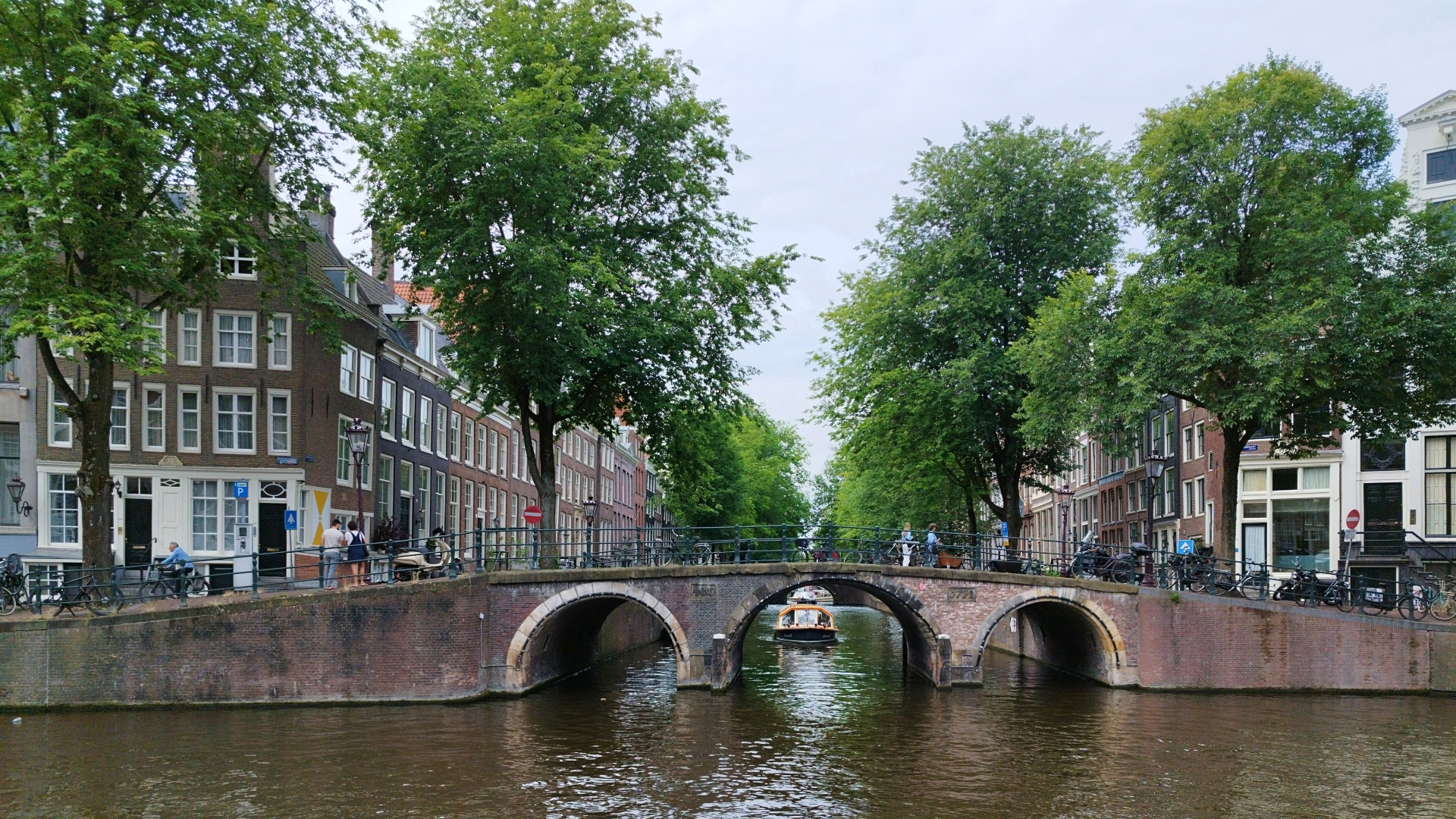
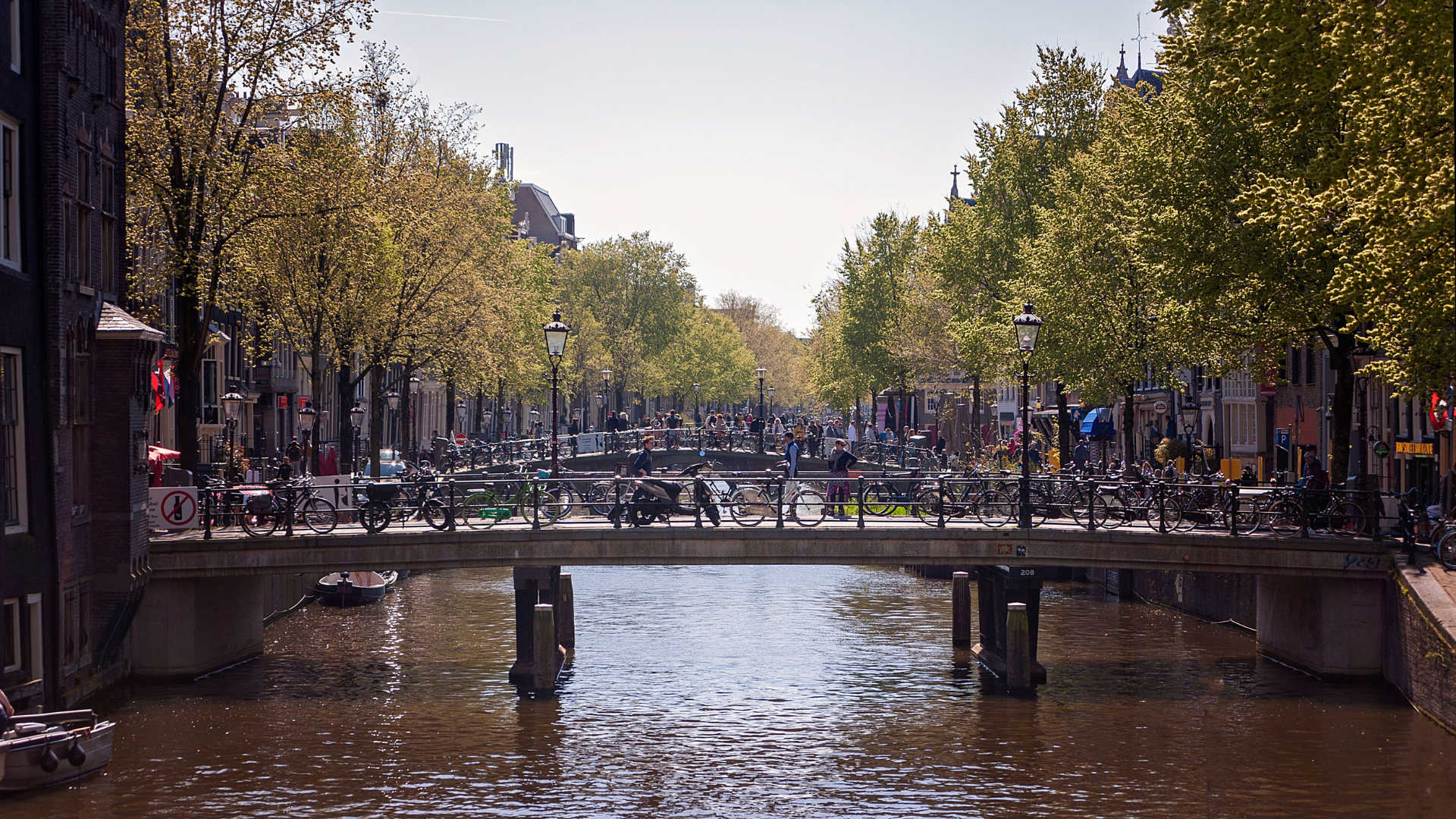
Although Amsterdam's bridges share the same purpose, each one has its own unique character. Some cross quiet residential canals lined with centuries-old houses, while others overlook lively waterways filled with sightseeing boats, cyclists, and pedestrians. Their different settings give every Amsterdam Canal Bridge a distinctive atmosphere that reflects the neighborhood around it.
You'll also notice a variety of architectural styles as you explore the city. Historic stone bridges stand alongside elegant drawbridges and more modern designs, creating a landscape that blends Amsterdam's rich history with everyday urban life. This diversity is one of the reasons walking through the city never feels repetitive, as each bridge offers a new view and a slightly different experience.
Cycling Across Amsterdam's Canal Bridges
Cycling is one of the most popular ways to get around Amsterdam, and the city's canal bridges play an essential role in making that possible. Throughout the day, you'll see residents and visitors crossing the bridges by bicycle as they travel between neighborhoods, parks, cafés, and local attractions. The bridges are designed to keep the city connected while making cycling a convenient part of everyday life.
For visitors, renting a bicycle offers a different way to experience Amsterdam. Instead of following a fixed route, you can explore the canal ring at your own pace, stopping whenever a bridge, quiet canal, or historic street catches your attention. It's a simple way to discover parts of the city that are often missed while using public transport.
Understanding the Amsterdam Canal Ring
Amsterdam's historic canal ring is one of the city's defining features, with a network of canals and bridges that forms a clear and easy-to-follow layout. The three main canals—Herengracht, Keizersgracht, and Prinsengracht—curve around the city center, connecting many of Amsterdam's most famous neighborhoods and landmarks.
Recognized as a UNESCO World Heritage Site, the canal ring is admired not only for its beauty but also for its thoughtful urban planning. The canals and bridges were designed to work together, creating a city that was both practical for trade and comfortable for everyday life. This carefully planned network continues to shape the way people experience Amsterdam centuries later.
Looking at an Amsterdam canal ring map makes it easier to understand how the city is organized. It also helps visitors plan walking or cycling routes, discover quieter streets, and appreciate how each canal and bridge fits into Amsterdam's unique layout. Exploring the canal ring at your own pace is one of the best ways to discover the city's historic charm.
Bridges Through the Seasons
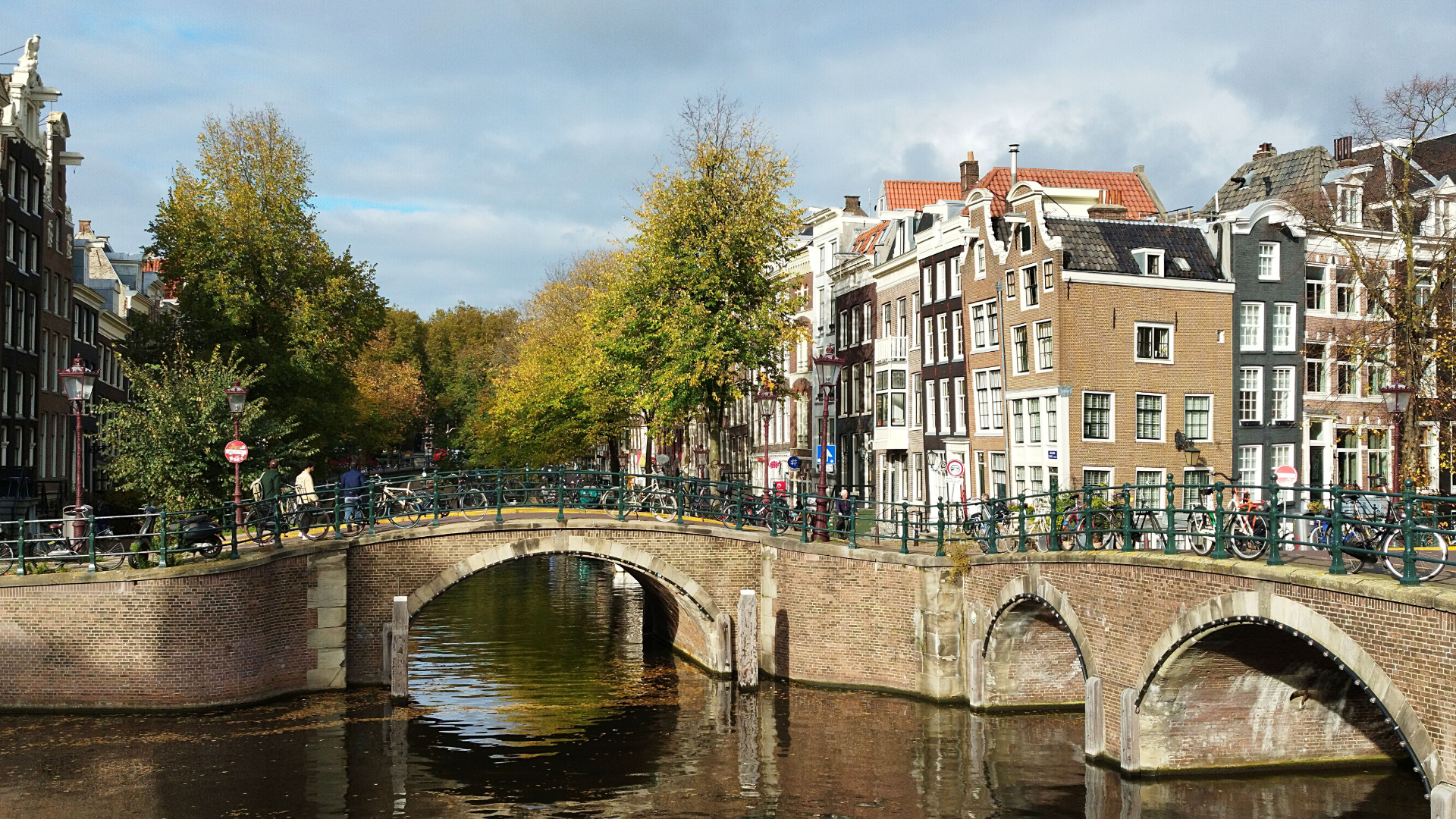
Amsterdam's canal bridges offer a different experience with every season. In spring, flowering trees and fresh greenery brighten the canals, while summer brings outdoor cafés, busy waterways, and long evenings filled with activity. During autumn, golden leaves reflect on the water, creating some of the city's most picturesque scenes.
Winter gives the bridges a completely different atmosphere. Twinkling lights and quieter canals create a peaceful setting that feels especially charming after sunset. No matter when you visit, every Amsterdam Canal Bridge offers a new perspective, making each season a memorable time to explore the city.
Conclusion
Amsterdam's canal bridges are much more than practical crossings. They reflect the city's history, connect its neighborhoods, and shape the distinctive scenery that has made Amsterdam famous around the world. Whether you're walking across a quiet bridge, cycling through the canal ring, or enjoying the view from an evening canal cruise, each crossing offers a new way to experience the city. Together, the canals and bridges create an atmosphere that makes Amsterdam one of Europe's most memorable destinations.