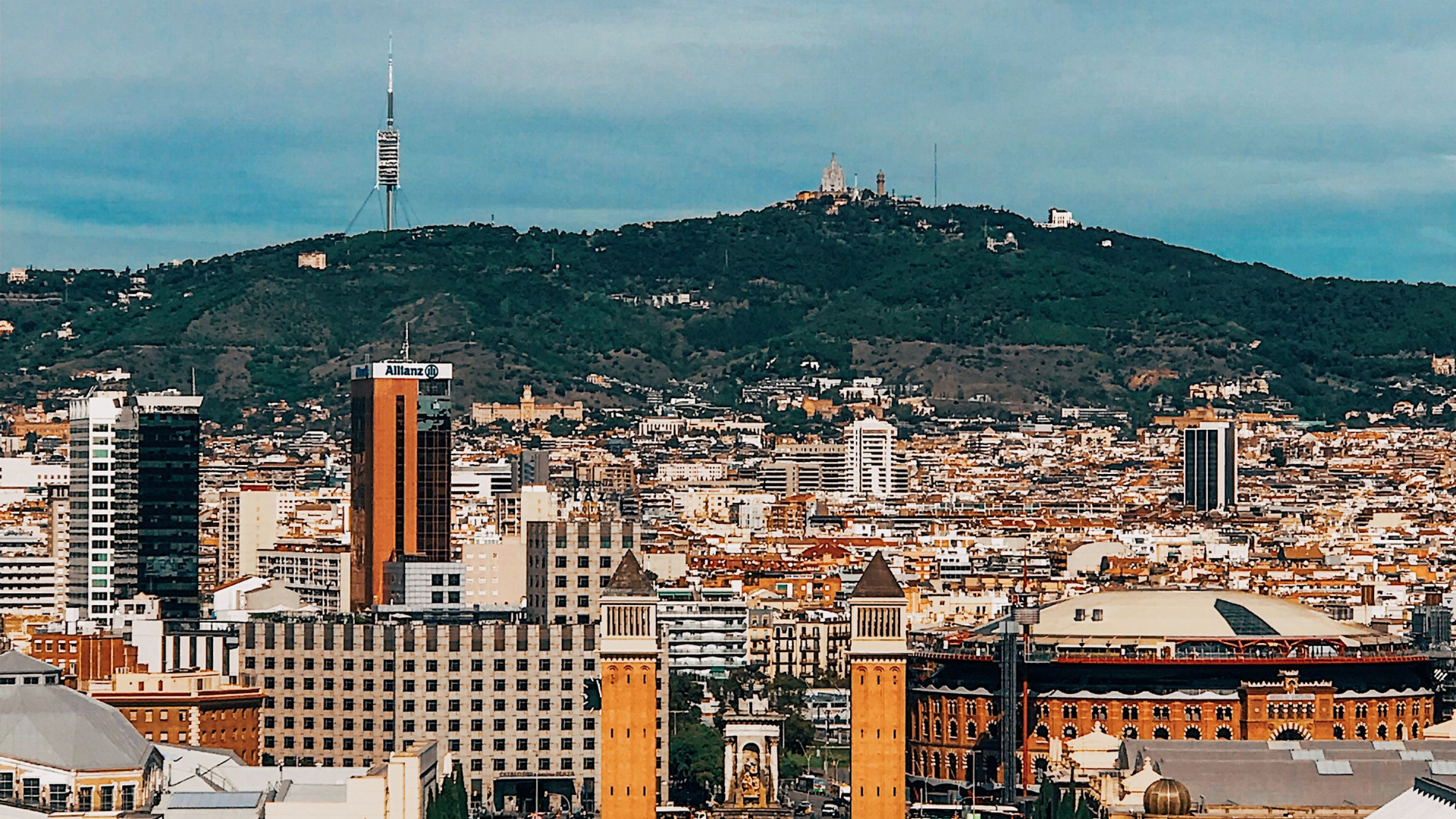
Leave the busy streets of Barcelona behind, and you'll discover a place where history, culture, nature, and breathtaking views come together on a single hillside. From centuries-old landmarks to peaceful gardens and panoramic viewpoints, every stop offers a different perspective on the city below. This Montjuïc Barcelona Guide explores what makes this hill one of Barcelona's most rewarding destinations and how a visit here becomes a journey rather than simply another sightseeing stop.
The Hill That Tells Barcelona's Story
Unlike many of Barcelona's famous attractions, Montjuïc is not defined by a single landmark. Instead, the hill brings together centuries of history, cultural institutions, public gardens, and scenic viewpoints within one destination. From its strategic location overlooking the city to its role in major events such as the 1992 Olympic Games, Montjuïc has continued to evolve while preserving its unique character.
Today, visitors can experience several sides of Barcelona in a single visit. Whether you're exploring historic sites, visiting museums, relaxing in green spaces, or simply enjoying the atmosphere, Montjuïc offers a journey that reflects both the city's past and its present.
A Scenic Journey to the Top
Getting to Montjuïc is part of the experience itself. Whether you choose the cable car, the funicular, or one of the walking routes, the journey gradually reveals new views of Barcelona as you make your way uphill. Each route provides a unique experience, allowing visitors to enjoy Barcelona's skyline and natural surroundings before reaching the hill's main attractions.
For many visitors, the cable car is the most memorable way to arrive, offering panoramic views over Barcelona, the coastline, and the harbor. Those who prefer a slower pace can enjoy the walking paths that connect gardens, viewpoints, and cultural landmarks along the way, turning the climb into an enjoyable part of the visit.

Exploring Montjuïc Castle
Standing at the highest point of the hill, Montjuïc Castle has watched over Barcelona for centuries. Originally built as a military fortress, it has played different roles throughout the city's history before becoming one of its most visited landmarks. Today, visitors come not only to explore its stone walls and historic courtyards but also to enjoy some of the finest views across Barcelona, the Mediterranean Sea, and the busy harbor below.
Walking around the castle offers a chance to appreciate both its strategic location and its historical significance. Informational displays, open terraces, and preserved defensive structures help visitors understand how the fortress once protected the city while offering a very different perspective on Barcelona today.
Art, Museums, and Olympic History
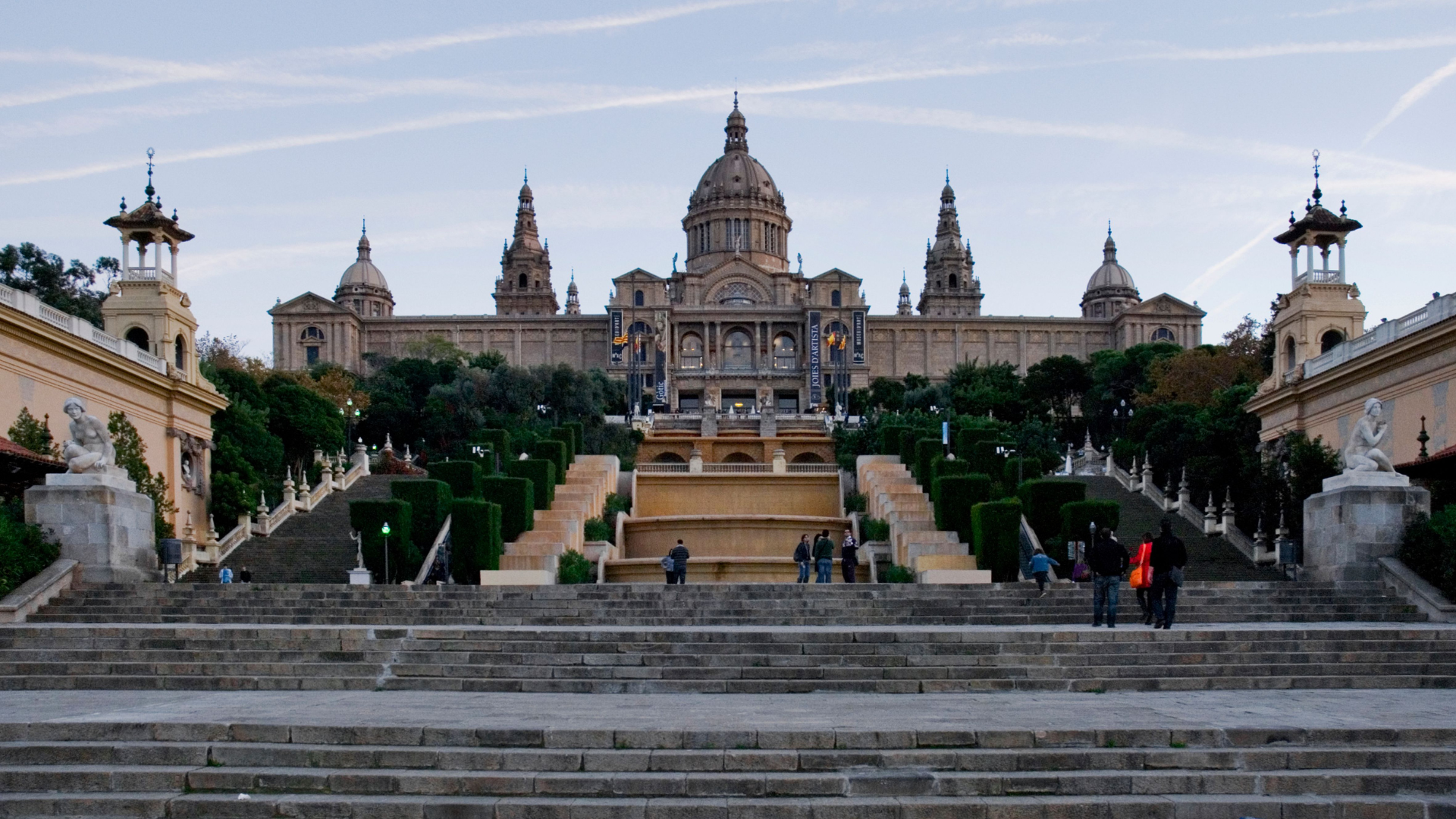
Beyond its historic fortress, Montjuïc is one of Barcelona's most important cultural districts. The hill is home to several museums, including the National Art Museum of Catalonia (MNAC), where visitors can explore collections ranging from Romanesque murals to modern art. Nearby, cultural venues and exhibition spaces add even more reasons to spend time exploring the area.
Montjuïc also gained international recognition during the 1992 Summer Olympics, when many of its sports venues became the center of the Games. Today, visitors can still see landmarks such as the Olympic Stadium and the surrounding Olympic Ring, where Barcelona's Olympic legacy blends naturally with its rich cultural heritage.
Green Spaces Above Barcelona
Despite its historic landmarks and cultural attractions, Montjuïc is also one of Barcelona's greenest areas. The hill is home to beautifully landscaped gardens, shaded walking paths, and quiet corners that offer a welcome break from the city's busiest streets. As you move between attractions, it's easy to find peaceful spaces where you can slow down and enjoy the natural surroundings.
Among the most popular green spaces are the Jardins de Mossèn Cinto Verdaguer, known for their seasonal flowers, and the Jardins de Mossèn Costa i Llobera, which feature one of Europe's largest collections of cacti and succulent plants. These gardens add another dimension to a visit, making Montjuïc feel as much like an urban park as a cultural landmark.
Planning Your Visit to Montjuïc
Montjuïc is best explored at a relaxed pace, as its attractions are spread across different parts of the hill. Setting aside at least half a day allows enough time to visit the castle, explore a museum, enjoy the gardens, and take in the views without feeling rushed. Comfortable walking shoes are also recommended, as you'll encounter a mix of uphill paths, stairways, and wide pedestrian routes.
If you're planning to visit several attractions, it's worth checking opening hours in advance, as museums, the castle, and the cable car may operate on different schedules. Public transportation makes it easy to reach the hill, while the cable car and funicular provide convenient ways to travel between different areas and reduce the amount of uphill walking.
Conclusion
Montjuïc is a place where every stop reveals a different side of Barcelona. From historic landmarks and cultural attractions to peaceful gardens and sweeping city views, the hill offers far more than a typical sightseeing experience. Whether you spend a few hours exploring or devote an entire afternoon to its many attractions, Montjuïc rewards visitors with a journey that combines history, nature, and culture in one unforgettable destination.If you're looking to experience a different side of Barcelona, Montjuïc is a place that offers something new to discover on every visit.