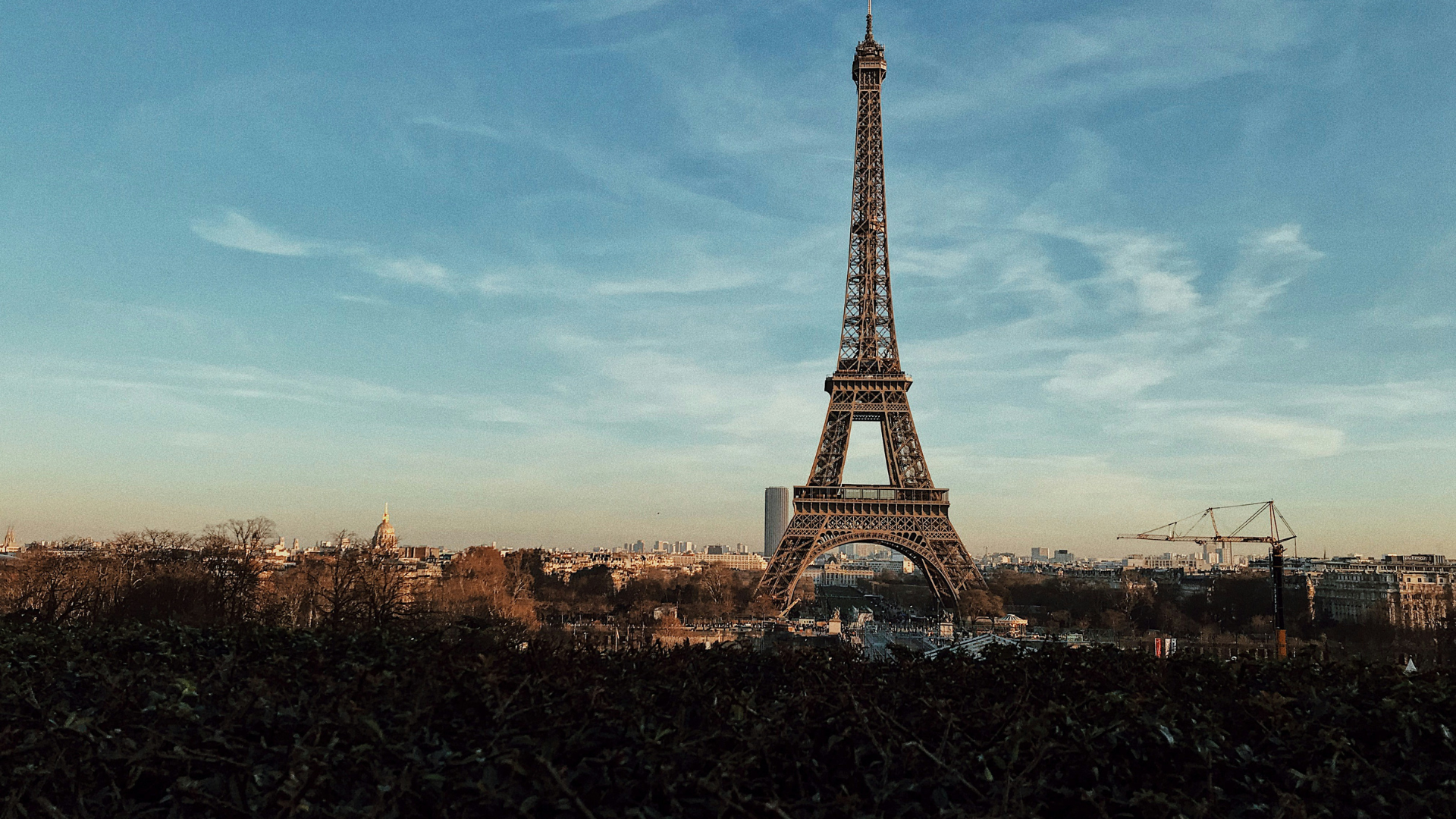
You can’t think of Paris without imagining the Eiffel Tower. It’s one of the most famous landmarks in the world, but it didn’t start out that way—many people didn’t like it when it was first built.
Today, it’s one of the most visited places in France, and a symbol of the city itself. This article will explore its story, design, and why it’s still so important.
How the Eiffel Tower Was First Built
The Eiffel Tower was built for the 1889 Exposition Universelle (World’s Fair) in Paris, which celebrated 100 years since the French Revolution. It was designed by engineer Gustave Eiffel and his company, and construction took about two years to complete.
At first, it was planned to be temporary and removed after 20 years because many people didn’t like its design. But later, it was kept because it proved useful for radio transmissions.
Early Reactions to the Eiffel Tower
When the Eiffel Tower was first built, many people in Paris didn’t like it. Some artists and writers even called it ugly and thought it didn’t fit the city’s traditional style. There were protests against keeping it after the World’s Fair.
However, people’s opinions started to change when they realized it had practical uses. It also began to attract tourists and became a unique part of Paris that people couldn’t ignore. Over time, what was once criticized turned into something admired and loved.
Breaking Down the Tower’s Design
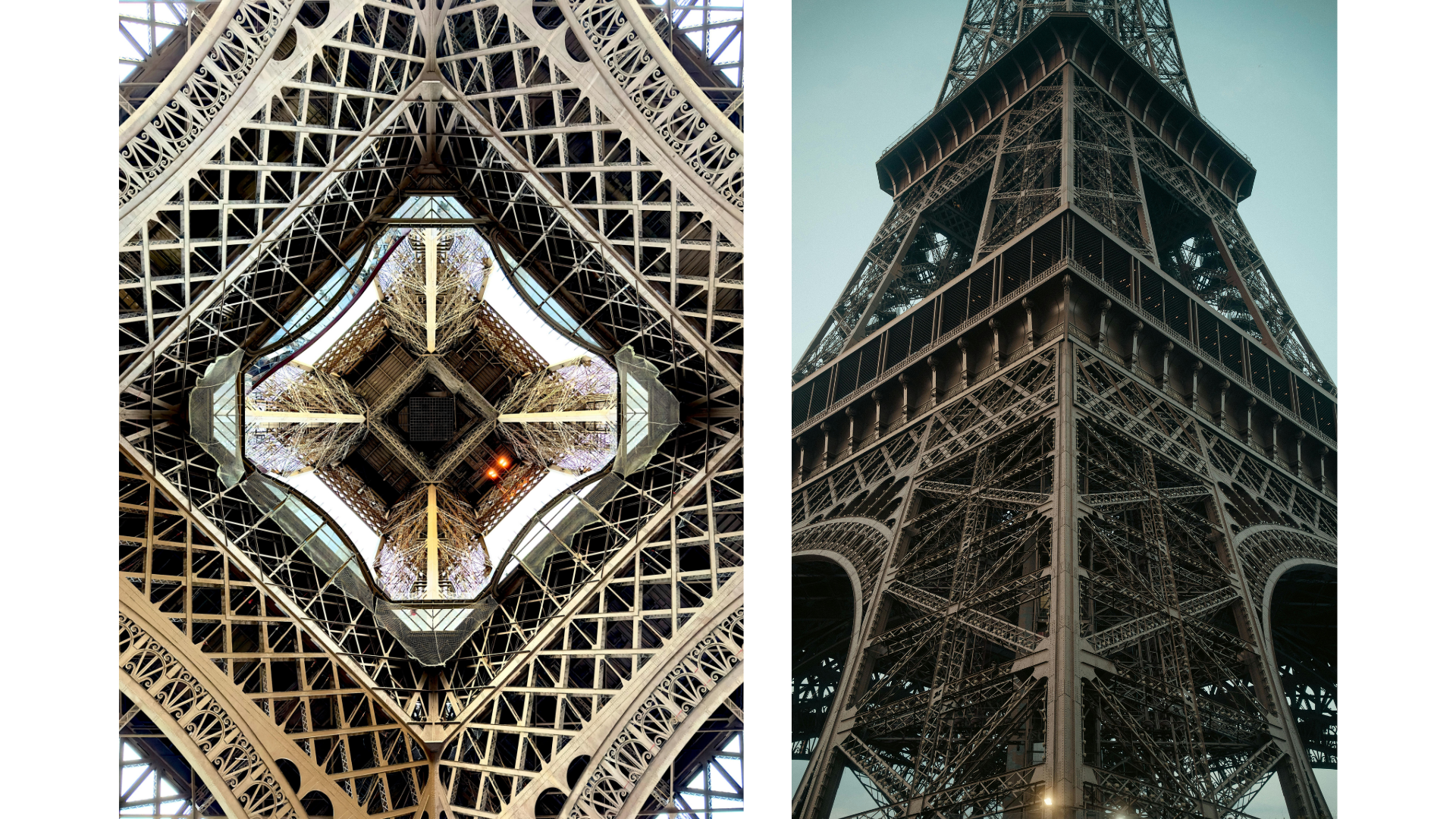
The Eiffel Tower is made of iron and stands about 330 meters tall, which made it the tallest man-made structure in the world for many years. Its design is made up of three main levels, each offering different views of Paris.
The open framework structure was not just for style—it was designed to reduce wind resistance, making the tower strong and stable despite its height. This mix of engineering and design is what makes it stand out even today.
What You’ll Find at Each Level of the Tower
The Eiffel Tower has three levels that visitors can explore, and each one offers a different experience. The first level has glass floors and exhibitions that explain the history of the tower. The second level is known for its great views of Paris and also has restaurants where visitors can eat while enjoying the scenery.
The top level is the highest point and gives a full panoramic view of the city. From there, you can see famous landmarks like the Seine River, the Louvre, and many parts of Paris stretching far into the distance.
The Eiffel Tower at Night: A Different Experience
At night, the Eiffel Tower lights up and sparkles every hour, making it one of the most beautiful sights in Paris. Many visitors come just to see it glowing, especially from the sides of the Seine River. It’s a simple but unforgettable experience that makes the tower even more special.
Before You Visit
Visitors can buy tickets to go up the Eiffel Tower, either by elevator or by stairs for the first two levels. Prices vary depending on how high you want to go and the type of ticket you choose.
It’s better to book tickets in advance, especially during busy tourist seasons, to avoid long waiting lines. The tower is open all year, but visiting early in the day or later in the evening usually means smaller crowds.
Hidden Details and Interesting Facts
The Eiffel Tower has many interesting details that people don’t always notice. For example, its height can change slightly depending on the temperature, as the iron expands in the heat and shrinks in the cold.
It is also repainted every few years to protect it from rust, and it takes hundreds of workers and tons of paint to complete the job. These small details show how much effort is needed to keep the tower in perfect condition.
Conclusion
The Eiffel Tower started as something many people didn’t like, but over time it became one of the most loved places in the world. Today, it’s a big part of Paris and something almost every visitor wants to see.
It’s not just a tower anymore—it’s a part of the city’s identity.