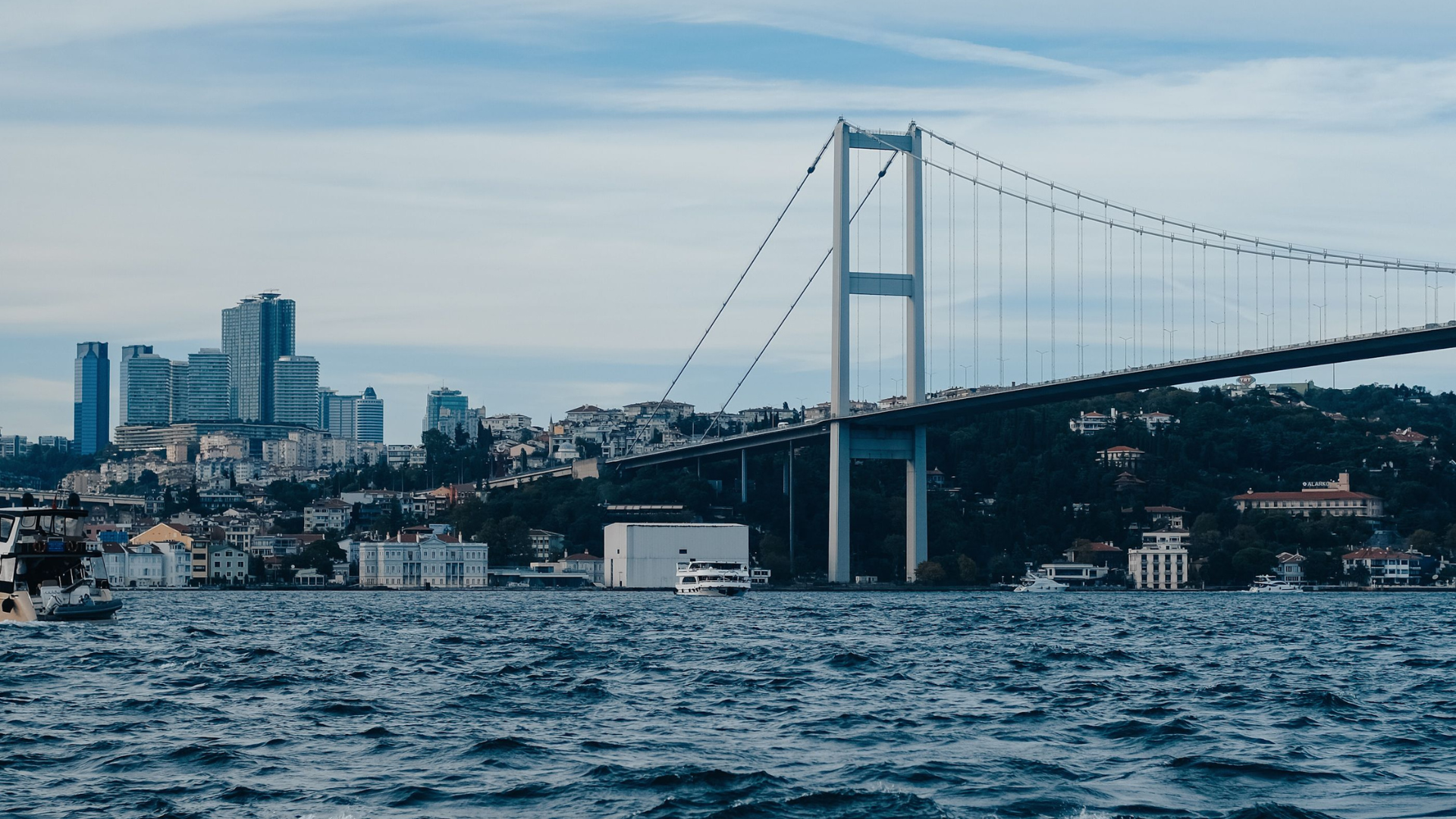
The Bosphorus Strait Istanbul is one of the few places in the world where two continents meet. Stretching between Europe and Asia, this historic waterway has shaped the city's identity for centuries, connecting cultures, trade routes, and civilizations. Today, it remains one of Istanbul's most remarkable sights, offering breathtaking views, historic landmarks, and a unique experience that can't be found anywhere else.
Why the Bosphorus Strait Istanbul Matters
The Bosphorus Strait Istanbul is far more than a natural waterway. It connects the Black Sea to the Sea of Marmara, making it one of the world's most important maritime routes. For centuries, merchants, travelers, and powerful empires relied on the strait to move goods, expand trade, and strengthen their influence. Its strategic location helped shape the history of Istanbul, turning the city into a meeting point for cultures, commerce, and civilizations from both Europe and Asia.
A Waterway Like No Other
What makes the Bosphorus Strait Istanbul truly unique is that it is both a natural strait and a vital international waterway. Stretching for about 30 kilometers (19 miles), it links the Black Sea with the Sea of Marmara, making it one of the world's most distinctive waterways. Its winding shoreline, changing views, and strategic location have shaped the city for centuries. Unlike many waterways that simply separate regions, the Bosphorus has always connected people, cultures, and trade, making it a natural feature that has helped define Istanbul's identity.
Where Europe and Asia Meet
One of the first things you notice about the Bosphorus Strait is that it separates Europe and Asia while connecting them at the same time. On one side, you'll find the European part of Istanbul, known for many of the city's historic landmarks and busy districts. On the other, the Asian side offers a quieter, more relaxed feel with waterfront neighborhoods, local cafés, and scenic promenades. Ferries cross the strait throughout the day, making it possible to travel between two continents in less than an hour—an experience that few cities in the world can offer.
Life Along the Bosphorus
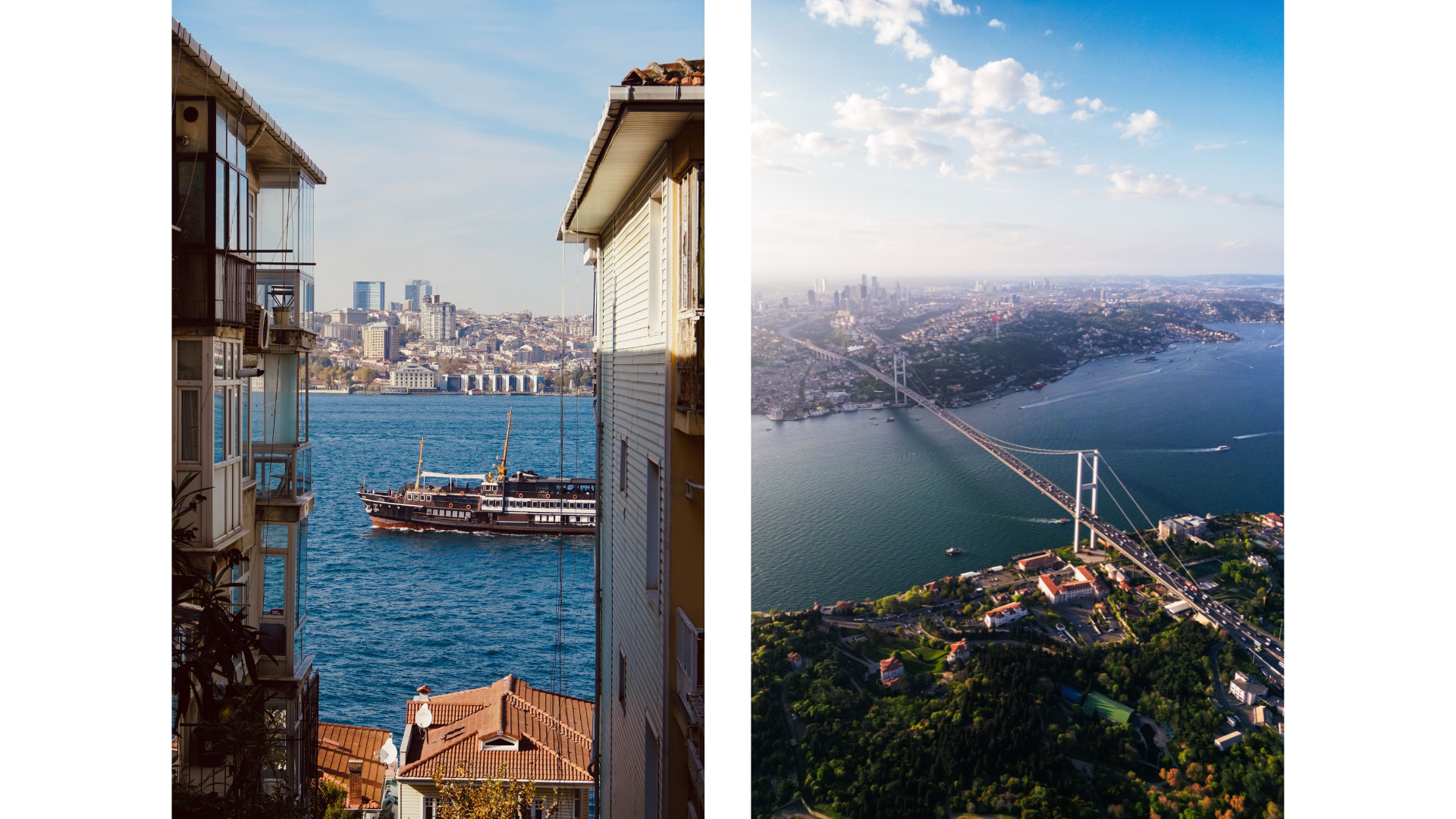
Life along the Bosphorus moves at a different pace from the rest of the city. Ferries glide across the water throughout the day, fishermen cast their lines from the shore, and waterfront cafés fill with locals enjoying views of the passing boats. Whether you're walking along the waterfront path, relaxing in a seaside neighborhood, or watching the sunset over the strait, it's easy to see why the Bosphorus has remained an important part of everyday life in Istanbul for centuries.
Palaces, Fortresses, and Waterfront Mansions
The shores of the Bosphorus Strait Istanbul are lined with some of Istanbul's most impressive historic landmarks. Magnificent palaces, centuries-old fortresses, and elegant waterfront mansions reflect the wealth and influence of the empires that once ruled the city. Among the best-known sights are Dolmabahçe Palace, Rumeli Fortress, and the traditional wooden yalıs, many of which have stood along the waterfront for generations. Together, these landmarks give the Bosphorus its distinctive character and make every journey along the strait feel like a trip through history.
The Bridges That Connect Two Continents
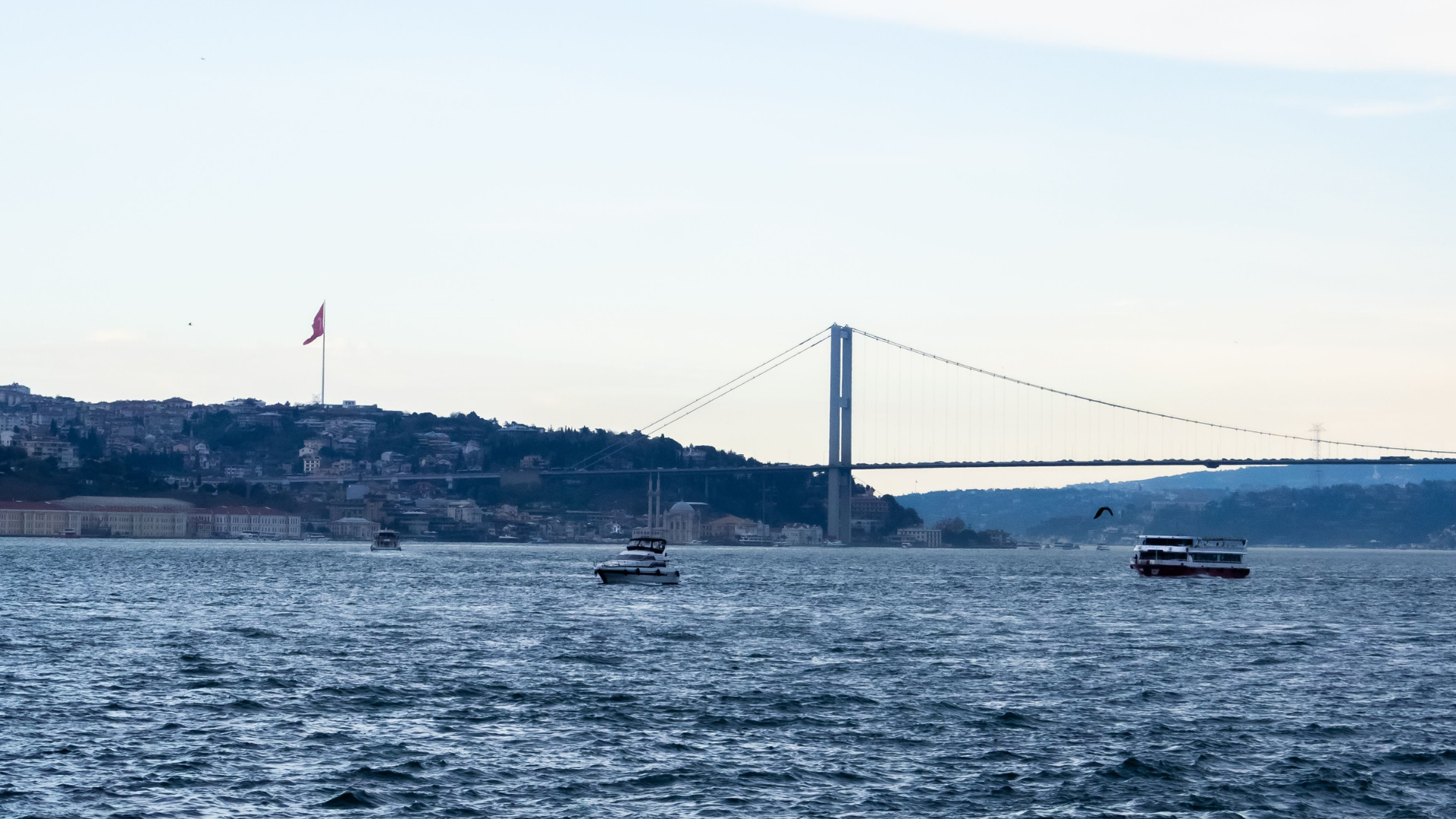
The Bosphorus is crossed by three major bridges that link the European and Asian sides of Istanbul, making daily travel between the two continents quick and convenient. Beyond their practical role, these bridges have become iconic landmarks that define the city's skyline. Whether viewed from the waterfront, a ferry, or one of the surrounding hills, they create a striking contrast between modern engineering and the historic landscapes that line the strait, highlighting how Istanbul blends its rich past with contemporary life.
Surprising Facts About the Bosphorus Strait
The Bosphorus is one of the world's busiest natural waterways, with thousands of commercial and passenger vessels passing through it every year. Another fascinating fact is that the strait has two currents flowing in opposite directions: surface water moves from the Black Sea toward the Sea of Marmara, while a second underwater current flows in the opposite direction. Although many people think of it as a river, the Bosphorus is actually a natural strait that connects two seas while separating two continents. These unique features make it far more than a geographical boundary, adding to its global importance and lasting appeal.
Conclusion
The Bosphorus Strait Istanbul is more than a waterway dividing two continents. It is a place where history, culture, and everyday life come together in a way that is unique to Istanbul. From its historic landmarks and lively waterfront to its global importance as a maritime route, the Bosphorus continues to shape the city's identity. Whether you're exploring its shores or simply taking in the views, it's easy to understand why this remarkable strait remains one of Istanbul's most unforgettable sights.