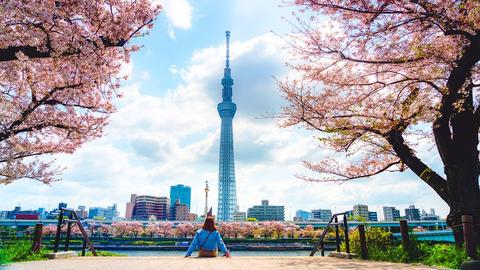
Japan · Asia
Discover Tokyo with Rafeek
Tokyo, officially the Tokyo Metropolis, is the capital and most populous city of Japan.


Seeing Tokyo without the story is only half the trip
The problem
Group tours run on someone else's clock, printed signs say too little, and searching for context on your phone pulls you out of the moment. Most travellers leave Tokyo with photos but no sense of what they actually saw.
How Rafeek fixes it
Rafeek is a personal audio guide in your pocket. Press play at each landmark in Tokyo, listen at your own pace, and keep your eyes on the place instead of a screen. Guides work offline, so no roaming or signal worries.
What you'll discover in Tokyo
40 landmarks with their own audio guide — tap any one to read what you'll hear.
/Akasaka%20Palace%20(State%20Guest%20House).jpg)
Akasaka Palace (State Guest House)
A magnificent Neo-Baroque style building that serves as an official accommodation for visiting state dignitaries. Originally built as an Imperial palace, it is open to the public on certain days, allowing visitors to admire its opulent European-style interiors.
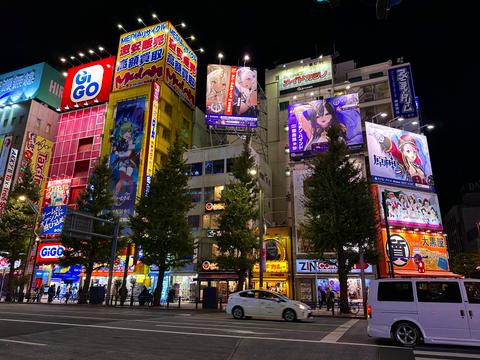
Akihabara Electric Town
A district famous for its countless electronics shops, ranging from tiny stalls to large department stores. It is also the center of Japan's otaku (diehard fan) culture, with numerous stores dedicated to anime, manga, and video games.
/Ameya%20Yokocho%20(Ameyoko).jpg)
Ameya Yokocho (Ameyoko)
A busy and chaotic open-air market street running between Ueno and Okachimachi stations. It offers a wide variety of products, including fresh food, clothes, and cosmetics at bargain prices, retaining the atmosphere of a post-war black market.
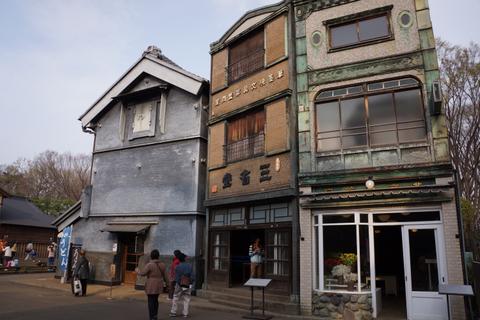
Edo-Tokyo Open Air Architectural Museum
A large park in western Tokyo that preserves and exhibits historic buildings from different eras. Visitors can enter and explore a wide range of relocated structures, from farmhouses and public bathhouses to elegant residences, offering a glimpse into past lifestyles.
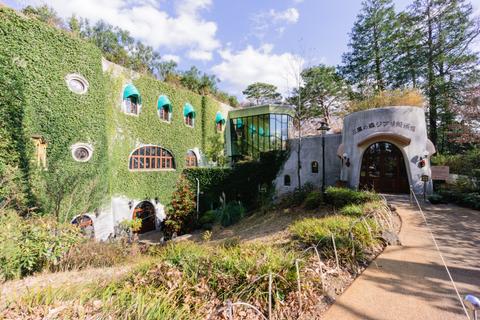
Ghibli Museum
A whimsical museum in Mitaka showcasing the work of the celebrated animation studio, Studio Ghibli. It features exhibits on the art of animation, a small theater showing exclusive short films, and a charming, storybook-like atmosphere.
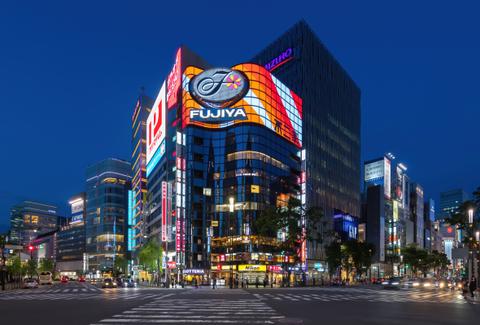
Ginza District
Tokyo's most famous upmarket shopping, dining, and entertainment district. It features numerous department stores, boutiques, art galleries, and restaurants, and its main street becomes a large pedestrian zone on weekend afternoons.
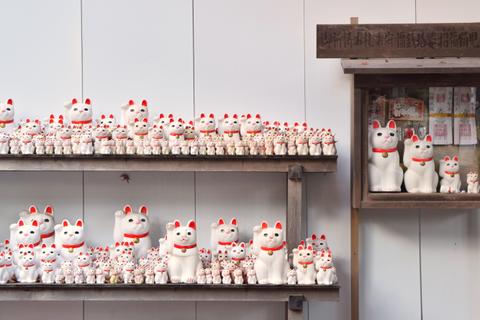
Gotokuji Temple
A Buddhist temple in Setagaya Ward, famous as the reputed birthplace of the maneki-neko, or 'beckoning cat' figurine. The temple grounds are filled with thousands of these lucky cat statues, left by worshippers as offerings for wishes granted.
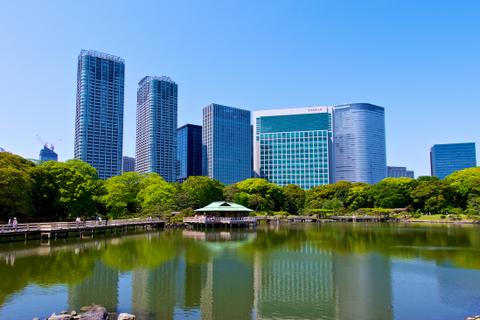
Hama Rikyu Gardens
A traditional Japanese garden featuring seawater ponds that change level with the tides, offering a striking contrast of serene nature against the backdrop of Shiodome's skyscrapers. A teahouse on a central island provides a place to relax and enjoy the scenery.
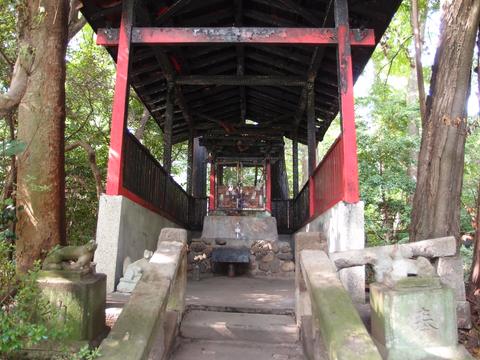
Inokashira Park
A spacious park in western Tokyo, straddling the cities of Musashino and Mitaka. It is famous for its large central pond where visitors can rent swan boats, and it is also home to the Ghibli Museum and a small zoo.
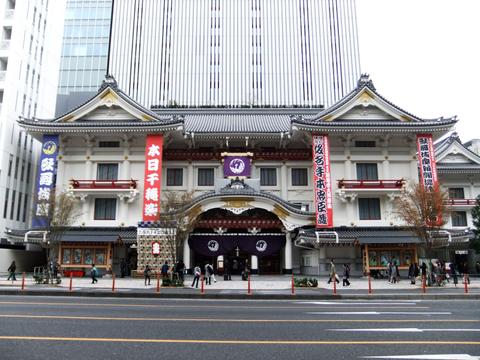
Kabuki-za Theatre
The principal theater in Tokyo for the traditional Japanese art of Kabuki, located in the Ginza district. The theater presents classic Kabuki plays almost every day, and its distinctive architecture makes it a prominent landmark.
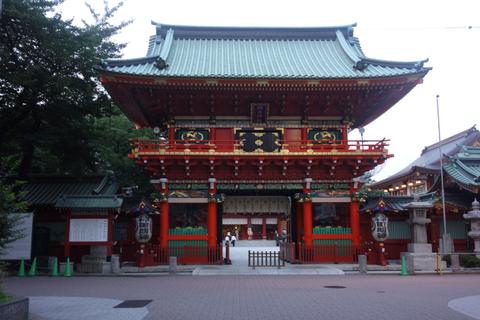
Kanda Myojin Shrine
An important Shinto shrine with a history of nearly 1300 years, located near Akihabara. It is considered the guardian of 108 Tokyo neighborhoods and is unique for offering blessings for technological devices and success in business.
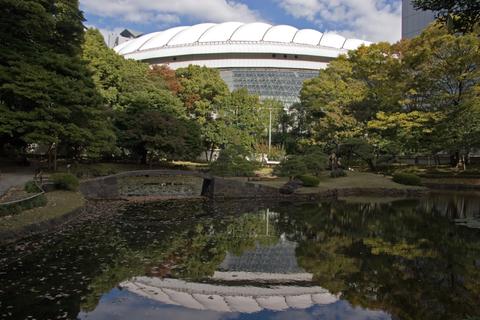
Koishikawa Korakuen Garden
One of Tokyo's oldest and best-preserved Japanese gardens, dating back to the early Edo Period. The garden incorporates elements of both Chinese and Japanese landscapes, featuring ponds, bridges, and a network of walking trails.
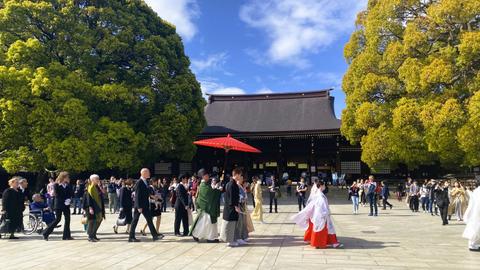
Meiji Jingu Shrine
A major Shinto shrine in Shibuya, dedicated to the deified spirits of Emperor Meiji and Empress Shoken. Set within a vast, tranquil forest, it offers a peaceful escape from the city and is a popular site for traditional weddings and New Year's prayers.
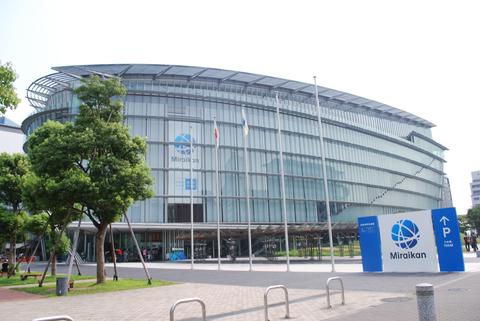
Miraikan - National Museum of Emerging Science and Innovation
A science museum in Odaiba offering a hands-on look at Japan's leading-edge science and technology. Exhibits cover topics like robotics, space exploration, and life sciences, featuring the famous ASIMO robot and the Geo-Cosmos globe display.
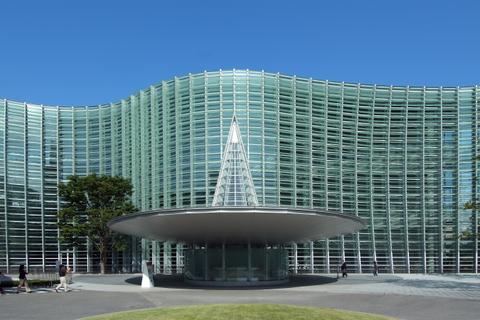
National Art Center, Tokyo
A major art museum in Roppongi that hosts a variety of special exhibitions rather than maintaining a permanent collection. The building itself, designed by Kisho Kurokawa, is a stunning architectural masterpiece with a massive, wave-like glass facade.
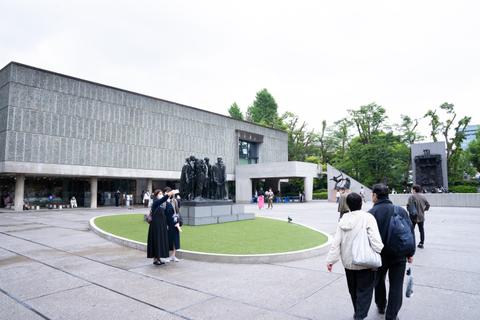
National Museum of Western Art
Japan's foremost public art gallery specializing in Western art, located in Ueno Park. It is a UNESCO World Heritage site as part of 'The Architectural Work of Le Corbusier' and houses a collection centered on Old Master and Impressionist works.
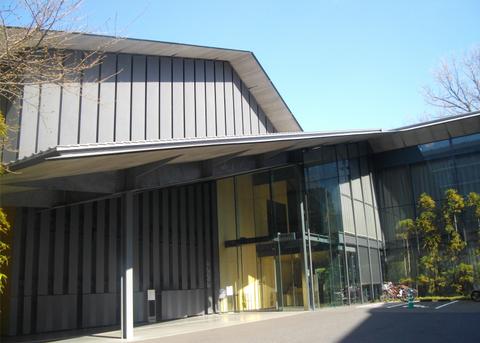
Nezu Museum
An art museum in Minato housing a private collection of pre-modern Japanese and East Asian art. The museum is equally famous for its expansive and beautiful traditional Japanese garden, which contains several teahouses and winding paths.
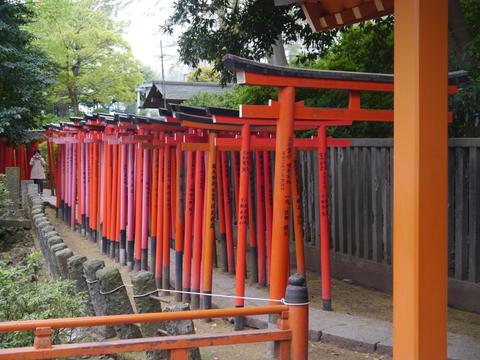
Nezu Shrine
A beautiful Shinto shrine in Bunkyo Ward, famous for its tunnel of red torii gates that resemble a miniature version of Kyoto's Fushimi Inari Shrine. The shrine's grounds also feature a stunning azalea garden that blooms in the spring.
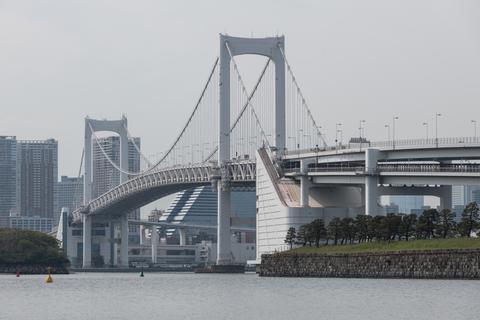
Odaiba
A large artificial island in Tokyo Bay, known as a futuristic high-tech entertainment hub. It features shopping malls, theme parks, museums like teamLab Planets, the Fuji TV Building, and the Rainbow Bridge connecting it to central Tokyo.
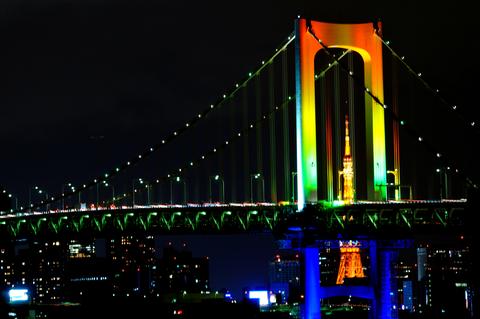
Rainbow Bridge
A massive suspension bridge connecting central Tokyo to the man-made island of Odaiba across Tokyo Bay. The bridge is beautifully illuminated at night and features pedestrian walkways offering great views of the skyline and waterfront.
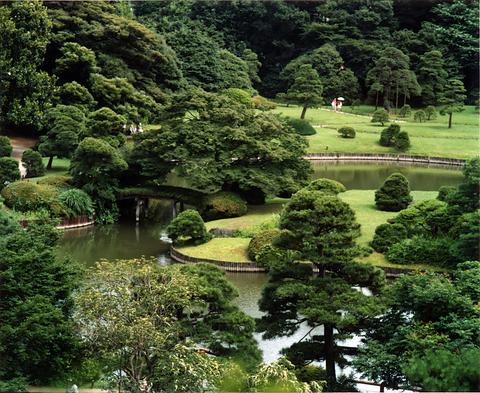
Rikugien Garden
Often considered Tokyo's most beautiful Japanese landscape garden, built around 1700. It is a perfect example of an Edo Period strolling garden, designed to reproduce 88 scenes from famous poems around a large central pond.
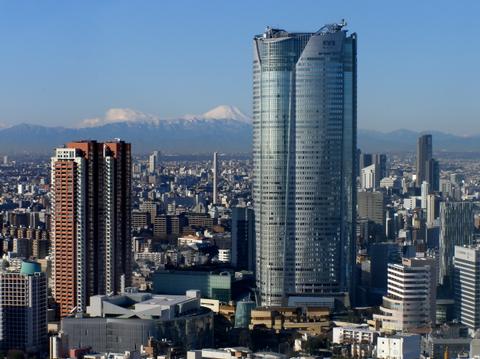
Roppongi Hills
A massive urban development complex featuring offices, shops, restaurants, and the Mori Art Museum. Its centerpiece is the Mori Tower, which has an observation deck, the Tokyo City View, offering spectacular 360-degree views of the city.
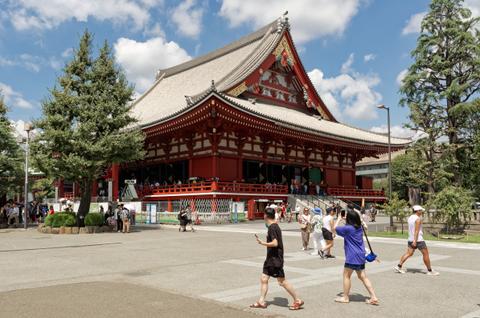
Senso-ji Temple
Located in Asakusa, Senso-ji is Tokyo's oldest temple, founded in the 7th century. It is dedicated to Kannon, the goddess of mercy, and is famous for its massive red lantern at the Kaminarimon (Thunder Gate) and the bustling Nakamise-dori shopping street leading to the main hall.
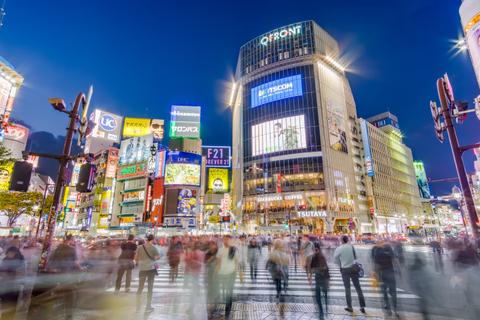
Shibuya Crossing
Famed as the world's busiest pedestrian intersection, located just outside Shibuya Station. This 'scramble' crossing is an iconic symbol of modern Tokyo, where a massive crowd of people crosses from all directions at once, surrounded by neon signs and giant video screens.
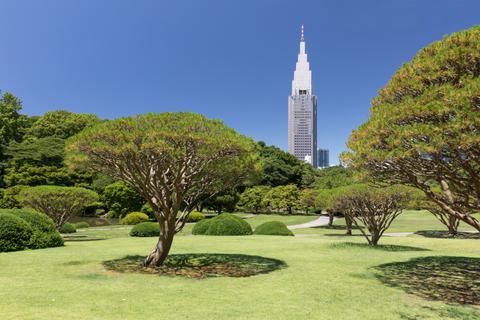
Shinjuku Gyoen National Garden
One of Tokyo's largest and most beautiful parks, featuring three distinct garden styles: a traditional Japanese landscape, a formal French garden, and an English landscape garden. It is a popular spot for cherry blossom viewing and offers a tranquil retreat from the city.
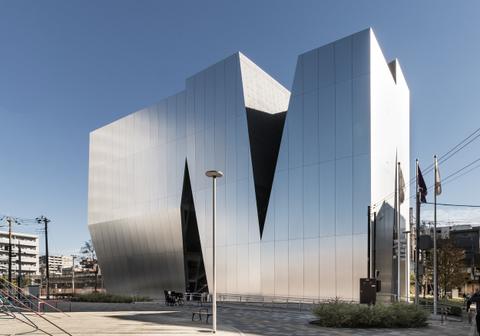
Sumida Hokusai Museum
A museum in Sumida dedicated to the life and works of the world-renowned ukiyo-e artist Katsushika Hokusai. The museum's collection includes many of his famous woodblock prints and is housed in a striking modern building designed by Kazuyo Sejima.
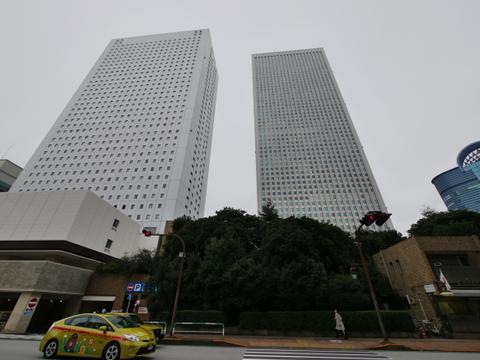
Sunshine City
A large building complex in Ikebukuro that was once Japan's tallest building. It contains a shopping mall, an aquarium on the roof, a planetarium, and an observation deck offering panoramic views of the city.
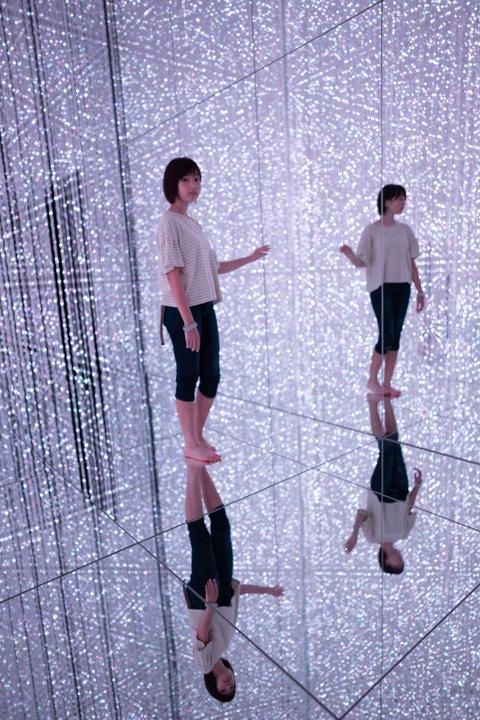
teamLab Planets TOKYO
A groundbreaking digital art museum in Toyosu created by the art collective teamLab. This immersive experience features large-scale installations where visitors walk through water and become one with the borderless, interactive artworks.
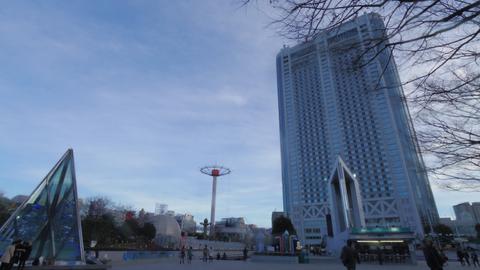
Tokyo Dome City
A large entertainment complex built around the Tokyo Dome baseball stadium. It features an amusement park with a unique roller coaster, a spa complex, a variety of shops and restaurants, and hosts numerous events.
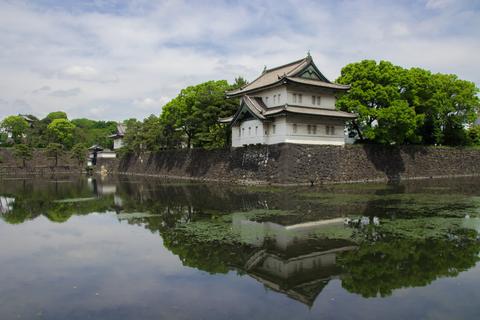
Tokyo Imperial Palace
The primary residence of the Emperor of Japan, located on the former site of Edo Castle. While the inner grounds are mostly private, visitors can explore the beautiful Imperial Palace East Garden and see the iconic Nijubashi Bridge from the outer plaza.
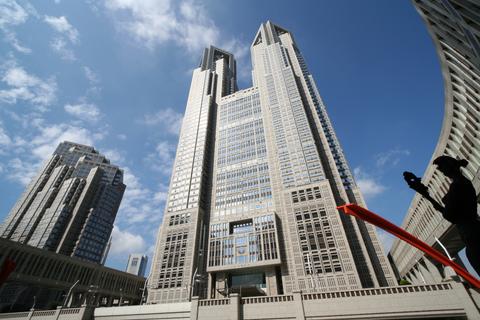
Tokyo Metropolitan Government Building
A towering skyscraper in Shinjuku that houses the headquarters of the Tokyo Metropolitan Government. It offers free observation decks on the 45th floor of both its towers, providing stunning panoramic views of Tokyo and even Mount Fuji on clear days.
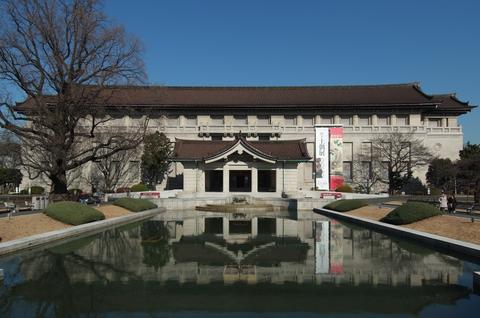
Tokyo National Museum
The oldest and largest museum in Japan, located in Ueno Park. It houses a comprehensive collection of art and archaeological artifacts from Japan and other Asian countries, covering a vast span of history and culture.
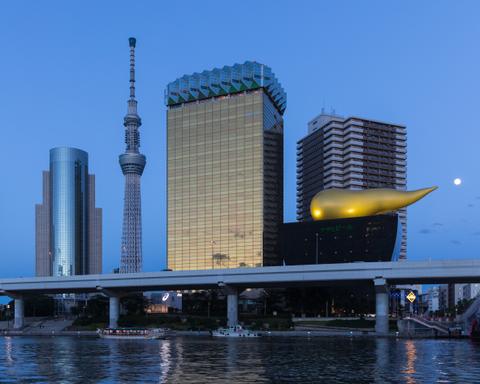
Tokyo Skytree
A 634-meter broadcasting and observation tower in Sumida, holding the title of the tallest structure in Japan. It offers breathtaking panoramic views of the city from two observation decks and features a large shopping complex and aquarium at its base.
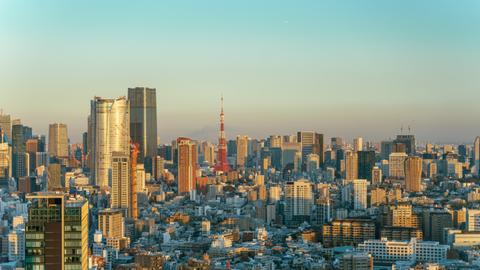
Tokyo Tower
An iconic, Eiffel Tower-inspired lattice tower that is a symbol of Tokyo's post-war rebirth. It serves as a communications and observation tower, providing impressive views of the city skyline from its two decks.
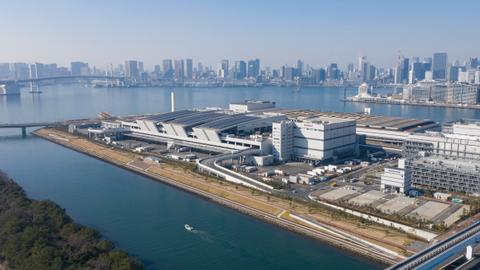
Toyosu Market
The main wholesale market for fish, fruits, and vegetables in Tokyo, which replaced the famous Tsukiji Market. Visitors can observe the famous early morning tuna auctions from dedicated viewing platforms and enjoy fresh seafood at restaurants in the complex.
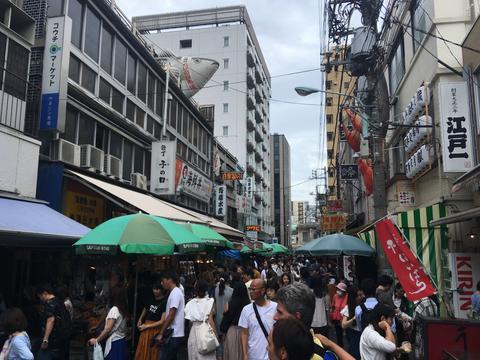
Tsukiji Outer Market
A bustling and atmospheric market adjacent to the former site of the world-famous Tsukiji Wholesale Market. It is packed with vendors selling fresh seafood and produce, and is renowned for its many small restaurants and food stalls.
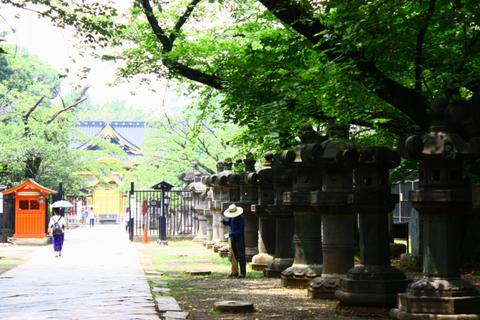
Ueno Park
A large public park in central Tokyo, home to a concentration of major cultural institutions. It contains the Tokyo National Museum, the National Museum of Western Art, the National Museum of Nature and Science, and the Ueno Zoo.
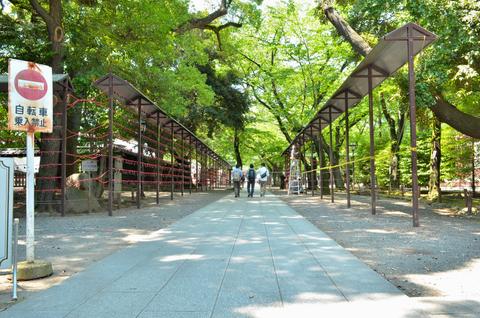
Yasukuni Shrine
A Shinto shrine in Chiyoda dedicated to the spirits of those who died in service of the Empire of Japan. The shrine is also home to the Yushukan, a museum that presents Japan's military history.
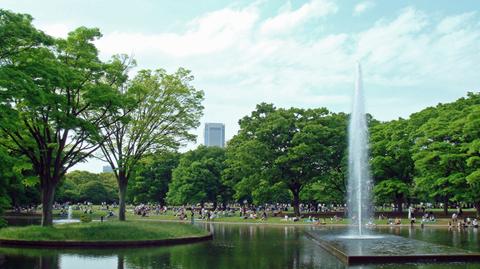
Yoyogi Park
One of Tokyo's largest city parks, located next to Meiji Shrine and Harajuku Station. It is a popular gathering place for picnics, outdoor activities, and is known for the various performers and subculture groups that gather there on weekends.
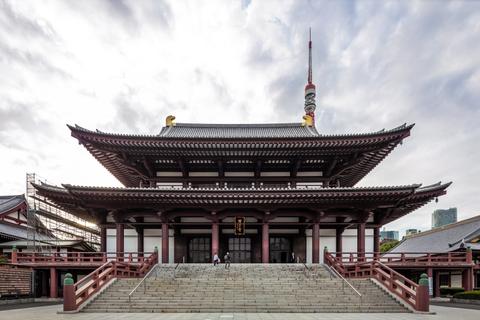
Zojoji Temple
A large Buddhist temple located next to Tokyo Tower, serving as the head temple of the Jodo sect in the Kanto Region. It is the main family temple of the Tokugawa clan and houses the mausoleums of six Tokugawa shoguns.
How Rafeek works in Tokyo
Download Rafeek
Get the app on iOS or Android and pick your destination.
Choose a guide
Browse the landmarks nearby and choose the ones you want.
Press play and walk
Listen as you go, at your own pace, online or offline.
About Tokyo
Tokyo, officially the Tokyo Metropolis, is the capital and most populous city of Japan. The population of the city proper was over 14 million as of 2023. The Greater Tokyo Area, which includes Tokyo and parts of six neighboring prefectures, is the third-most populous metropolitan area in the world, with 33 million residents as of 2025.
Simple pricing
Try Rafeek before you pay for anything.
Free
$0
Start with sample guides and browse every destination and landmark before you commit.
Full access
In-app
Unlock complete audio guides, offline listening, and every landmark in the city from inside the app.
Ready to explore Tokyo?
Download Rafeek and let every landmark tell you its story.