Japan · Asia
Discover Kyoto with Rafeek
Kyoto, officially Kyoto City , is the capital city of Kyoto Prefecture in the Kansai region of Japan's largest and most populous island of Honshu.


Seeing Kyoto without the story is only half the trip
The problem
Group tours run on someone else's clock, printed signs say too little, and searching for context on your phone pulls you out of the moment. Most travellers leave Kyoto with photos but no sense of what they actually saw.
How Rafeek fixes it
Rafeek is a personal audio guide in your pocket. Press play at each landmark in Kyoto, listen at your own pace, and keep your eyes on the place instead of a screen. Guides work offline, so no roaming or signal worries.
What you'll discover in Kyoto
40 landmarks with their own audio guide — tap any one to read what you'll hear.
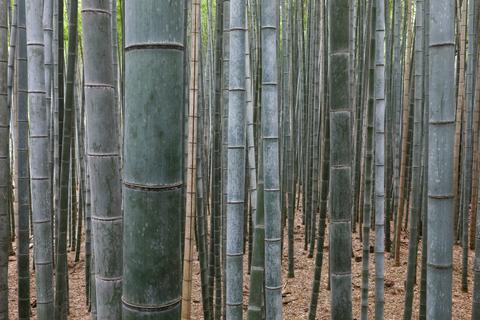
Arashiyama Bamboo Grove
One of Kyoto's most iconic sights, this is a magical, walking path that cuts through a dense forest of towering bamboo stalks. The way the light filters through the green stalks creates a serene and enchanting atmosphere.

Arashiyama Monkey Park Iwatayama
Located on a hillside in Arashiyama, this park is home to a troop of over 120 Japanese macaques. After a short hike up the hill, visitors can observe the monkeys up close and enjoy panoramic views of Kyoto.
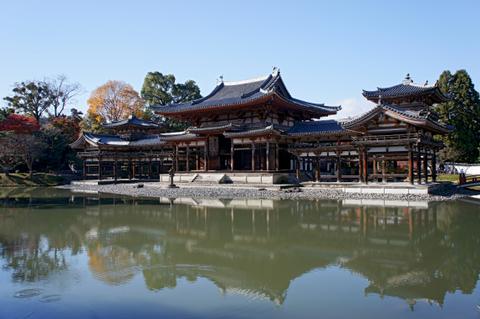
Byodo-in Temple
Located in the city of Uji, this temple is a striking example of Heian period architecture. Its beautiful Phoenix Hall is featured on the Japanese 10-yen coin and houses a famous statue of the Amida Buddha.
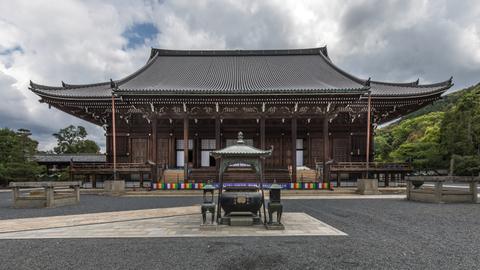
Chion-in Temple
The head temple of the Jodo sect of Buddhism, featuring imposing structures that command respect. Its massive Sanmon gate is the largest wooden gate in Japan, and the temple also houses Japan's largest temple bell.
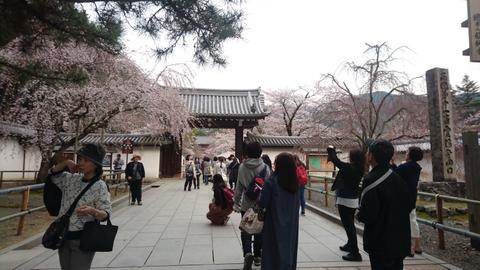
Daigo-ji Temple
A large and important temple complex in southeastern Kyoto, stretching from the base to the top of a mountain. It is particularly famous for its five-story pagoda, which is the oldest verified building in Kyoto.
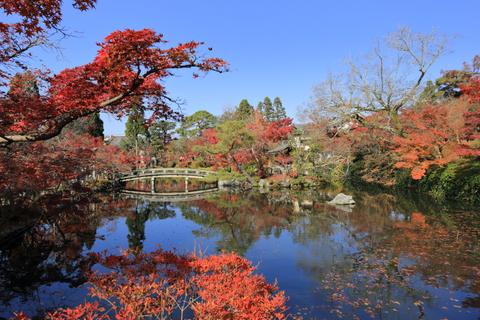
Eikan-do Zenrin-ji Temple
A temple renowned for its spectacular autumn colors, which are illuminated in the evenings during the fall season. It is also famous for its unique statue of the Amida Buddha, who is looking over his shoulder.
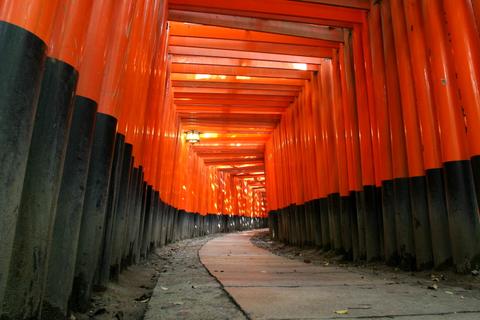
Fushimi Inari Shrine
An important Shinto shrine famous for its thousands of vibrant red torii gates, which form a network of trails behind its main buildings. The trails lead into the wooded forest of the sacred Mount Inari, dedicated to the god of rice.
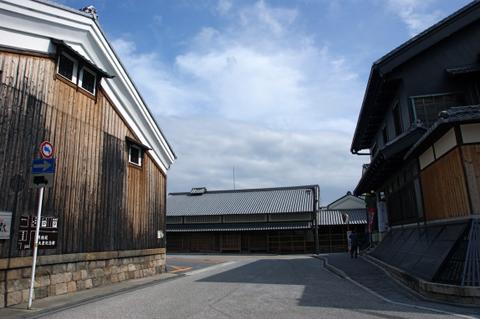
Gekkeikan Okura Sake Museum
Located in the Fushimi district, a major center for sake production, this museum is operated by the leading Gekkeikan company. It details the history of sake brewing and offers tastings at the end of the tour.
/Ginkaku-ji%20(Silver%20Pavilion).jpg)
Ginkaku-ji (Silver Pavilion)
An elegant Zen temple built along Kyoto's eastern mountains, originally intended to be covered in silver. It is renowned for its meticulously maintained dry sand garden, known as the 'Sea of Silver Sand,' and a beautiful moss garden.
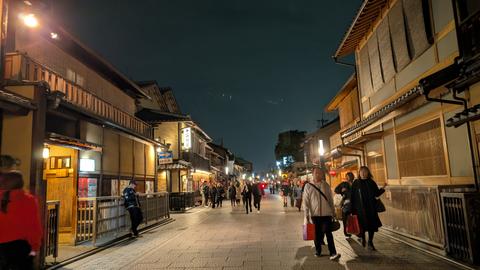
Gion District
Kyoto's most famous geisha district, located around Shijo Avenue between Yasaka Shrine and the Kamo River. Its streets are lined with traditional wooden machiya houses, which function as teahouses, shops, and restaurants.
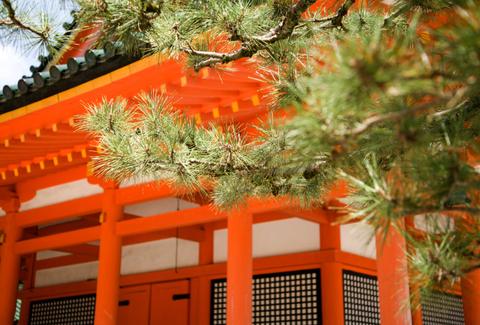
Heian Shrine
A large Shinto shrine built in 1895 to commemorate the 1100th anniversary of the founding of Kyoto. It is famous for its giant torii gate and a beautiful garden behind the main buildings.
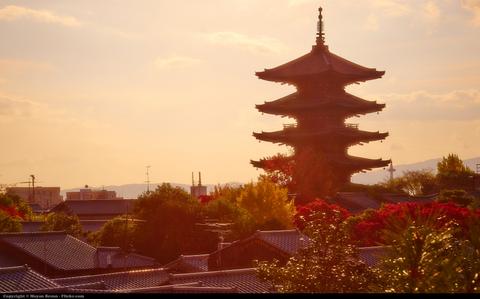
Higashiyama District
A beautifully preserved historic area along the lower slopes of Kyoto's eastern mountains. Its narrow, stone-paved lanes are lined with traditional wooden buildings housing shops, cafes, and restaurants.
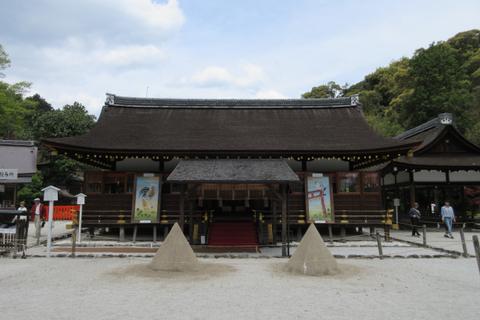
Kamigamo Shrine
The sister shrine to Shimogamo Shrine, located further up the Kamo River. It is known for its two distinctive sand cones, which are ritually rebuilt, and for hosting traditional horse races during the Aoi Matsuri.
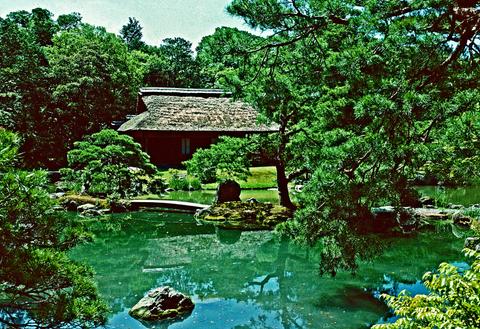
Katsura Imperial Villa
Considered one of the finest examples of Japanese architecture and garden design. The villa and its stroll garden were meticulously planned to create a series of perfect views, and access is by pre-booked guided tour only.
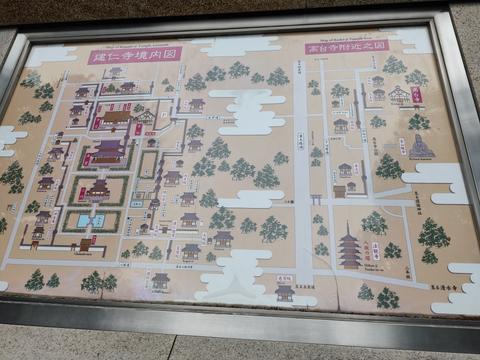
Kennin-ji Temple
Regarded as the oldest Zen temple in Kyoto, founded in 1202. It is known for its impressive collection of art, including the famous folding screen painting of the Wind and Thunder Gods.
/Kinkaku-ji%20(Golden%20Pavilion).jpg)
Kinkaku-ji (Golden Pavilion)
A stunning Zen Buddhist temple in northern Kyoto, famous for its top two floors being completely covered in gold leaf. The pavilion is set on a pond, creating a breathtaking reflection that is one of Japan's most iconic sights.
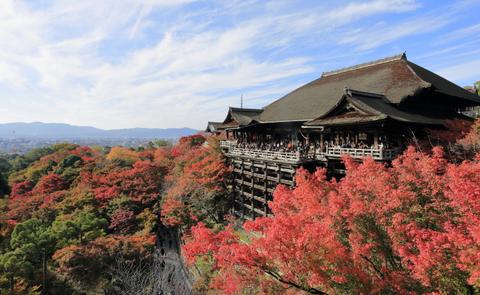
Kiyomizu-dera Temple
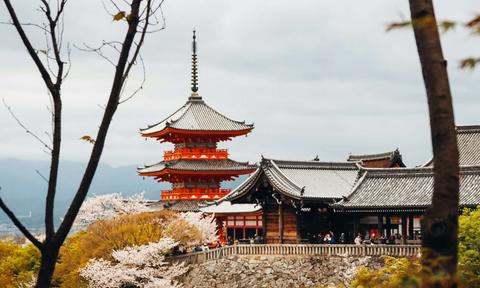
One of Japan's most celebrated temples, known for its large wooden stage that juts out from the main hall, 13 meters above the hillside below. The stage offers impressive views of the city and was built without using any nails.
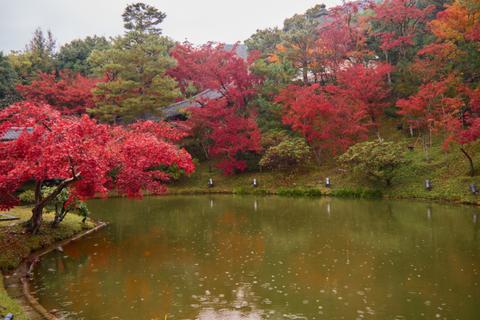
Kodai-ji Temple
An ornate temple established in 1606 by Nene, the wife of the powerful feudal lord Toyotomi Hideyoshi, to honor his memory. The temple features beautiful gardens, historic tea houses, and a small bamboo grove.
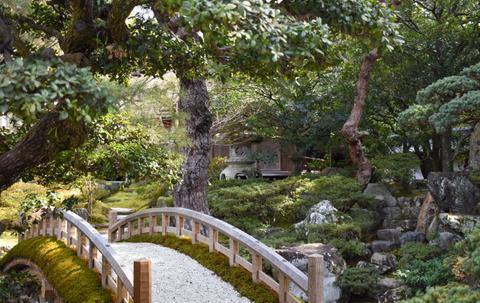
Kyoto Imperial Palace
The former residence of Japan's Imperial Family until the capital was moved to Tokyo in 1869. Located within the spacious Kyoto Imperial Park, its grounds and buildings can be visited on guided tours.
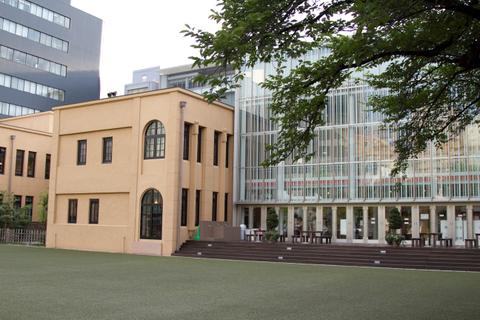
Kyoto International Manga Museum
A must-visit for fans of Japanese comics, this museum showcases the history and cultural impact of manga. Its main attraction is the 'Wall of Manga,' a massive library where visitors are free to read from its collection.
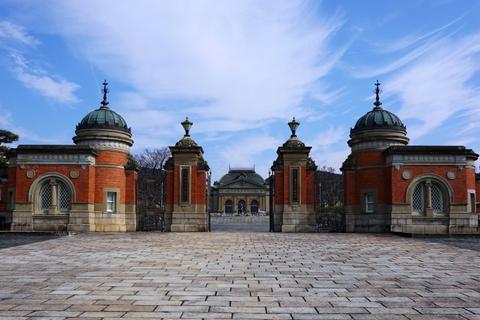
Kyoto National Museum
One of Japan's four top-level national museums, specializing in pre-modern Japanese and Asian art. Its collection includes archaeological relics, sculptures, ceramics, and paintings, housed in both historic and modern buildings.
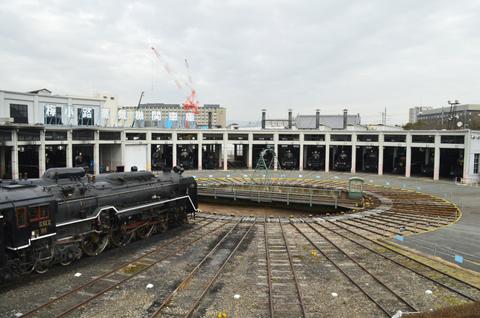
Kyoto Railway Museum
A comprehensive and modern museum dedicated to the history of railways in Japan. It features a large collection of retired trains, from steam locomotives to modern shinkansen, along with interactive exhibits.
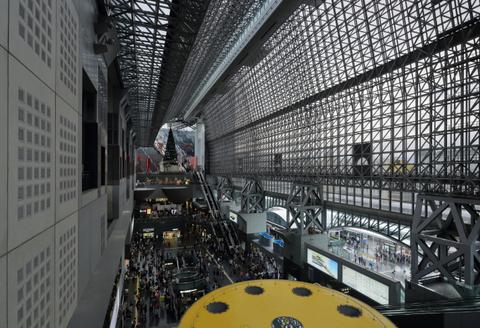
Kyoto Station Building
A striking, futuristic architectural masterpiece that serves as the city's main transportation hub. The massive complex includes a department store, a hotel, a cinema, numerous restaurants, and a large sky garden on its top floor.
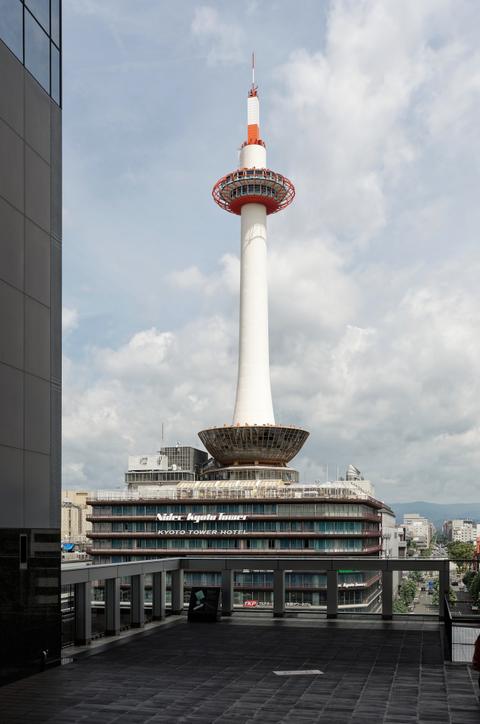
Kyoto Tower
A modern landmark standing 131 meters tall, located directly across from Kyoto Station. Its observation deck provides a 360-degree panoramic view of the city and its surrounding mountains.
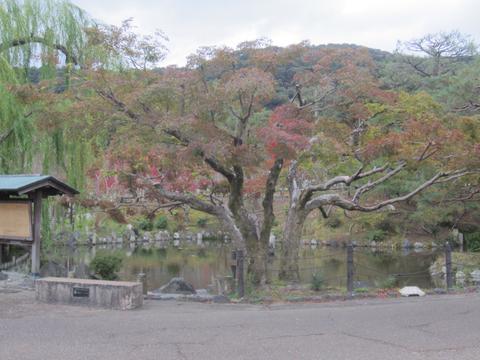
Maruyama Park
The oldest and most popular public park in Kyoto for cherry blossom viewing, located next to Yasaka Shrine. Its centerpiece is a tall, elegant weeping cherry tree that is beautifully illuminated at night during the sakura season.
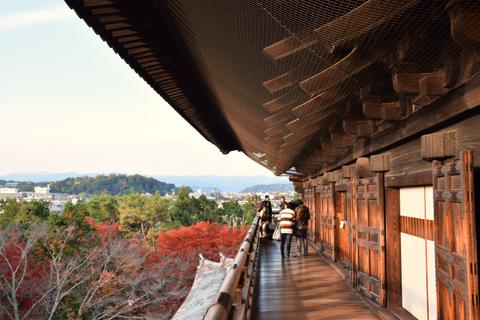
Nanzen-ji Temple
A major Zen temple with spacious grounds at the base of Kyoto's eastern mountains. A large brick aqueduct, part of a canal system built in the Meiji Period, runs through the temple grounds, creating a unique scene.
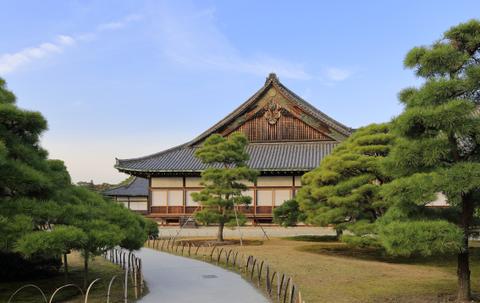
Nijo Castle
A flatland castle built in 1603 as the Kyoto residence of the Tokugawa shoguns. It is famous for its ornate Momoyama-period architecture, lavishly decorated interiors, and 'nightingale floors' designed to chirp when walked upon.
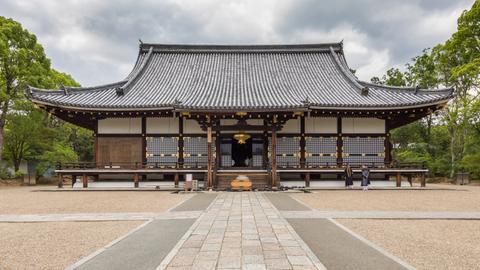
Ninna-ji Temple
A beautiful temple in western Kyoto that was formerly a residence for the imperial family. It is well-known for its grove of late-blooming Omuro cherry trees and its elegant Goten palace buildings.

Nishiki Market
A bustling five-block long shopping street known as 'Kyoto's Kitchen.' It is home to more than one hundred shops and restaurants selling fresh seafood, local produce, pickles, and a variety of culinary delights.
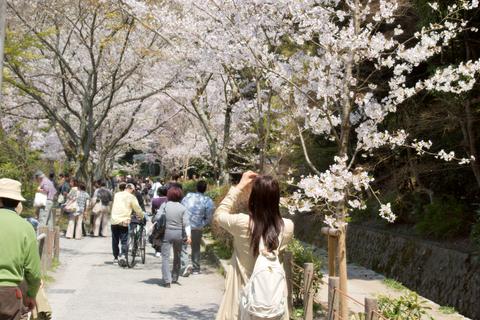
Philosopher's Path
A picturesque stone path that follows a cherry-tree-lined canal in the Higashiyama district. It is named after a famous Japanese philosopher who was said to practice meditation while walking this route on his daily commute.
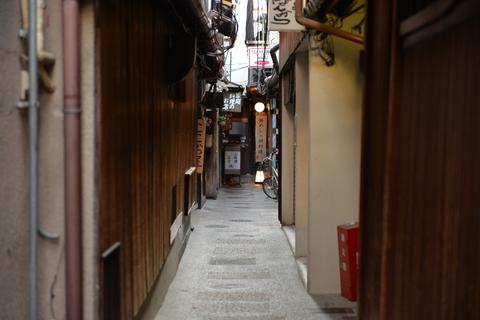
Pontocho Alley
A narrow and atmospheric dining alley that runs from Shijo-dori to Sanjo-dori, one block west of the Kamo River. It is packed with a wide range of restaurants, from inexpensive yakitori stalls to exclusive establishments.
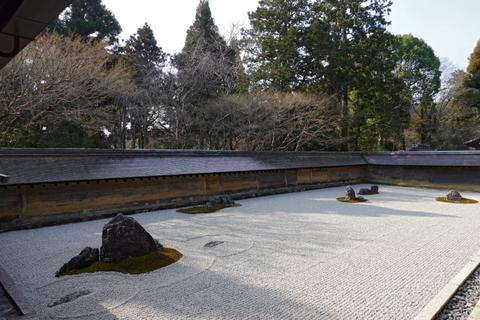
Ryoan-ji Temple
The site of Japan's most famous rock garden, a masterpiece of Zen Buddhist art. The garden's abstract design of 15 rocks on a bed of white gravel invites contemplation, and its true meaning remains a mystery.
/Saiho-ji%20(Koke-dera).jpg)
Saiho-ji (Koke-dera)
Also known as the Moss Temple, this UNESCO site is celebrated for its spectacular garden with over 120 varieties of moss. Access is highly restricted, requiring an advance postal application to protect the delicate environment.
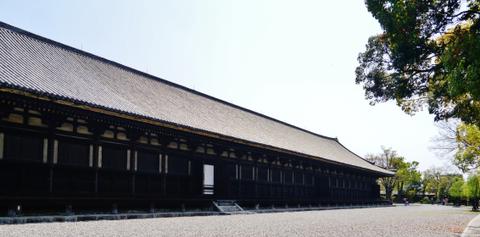
Sanjusangen-do Temple
A Buddhist temple famous for its massive main hall, which is Japan's longest wooden structure. Inside, it houses an incredible collection of 1001 life-sized, gold-leafed statues of the Thousand-Armed Kannon.
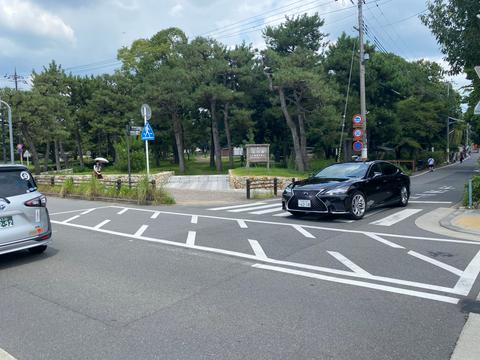
Shimogamo Shrine
One of Japan's oldest and most important Shinto shrines, situated within a primeval forest at the confluence of the Kamo and Takano rivers. It is a UNESCO world heritage site and co-hosts the Aoi Matsuri.
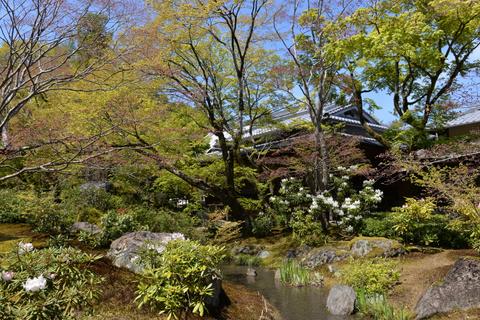
Tenryu-ji Temple
The most important temple in Kyoto's Arashiyama district and a great example of Zen temple design. It is highly regarded for its beautiful landscape garden, which has survived in its original form for centuries.
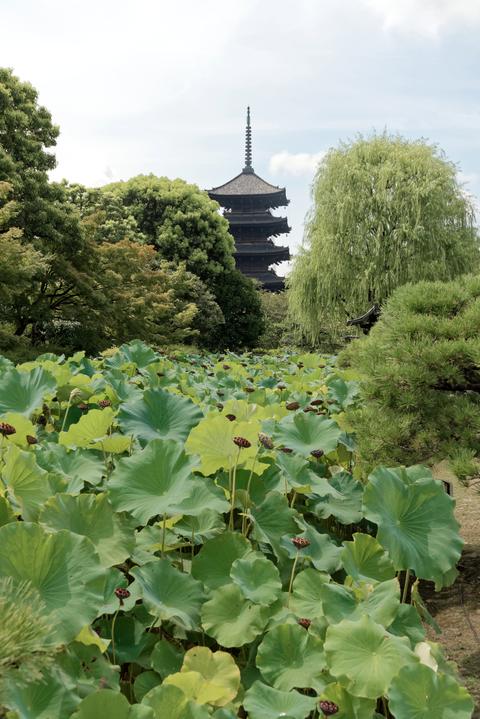
To-ji Temple
A prominent Buddhist temple known for its five-story pagoda, which is the tallest wooden tower in Japan and a symbol of Kyoto. The temple's grounds also host a popular flea market on the 21st of each month.
/Toei%20Kyoto%20Studio%20Park%20(Eigamura).jpg)
Toei Kyoto Studio Park (Eigamura)
A working film set and theme park where historical movies and TV dramas are filmed. Visitors can walk through open-air sets replicating an Edo Period town, watch ninja shows, and dress up in period costumes.
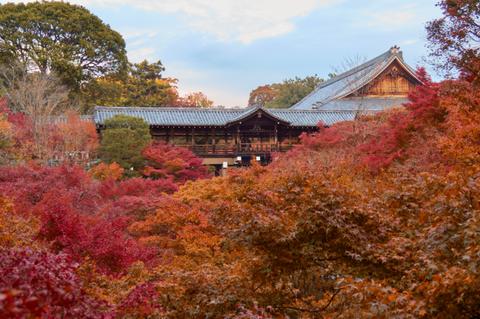
Tofuku-ji Temple
A large Zen temple particularly famous for its spectacular autumn colors. Crowds flock to the Tsutenkyo Bridge on the temple grounds to view the valley of maple trees below in a sea of red and gold.
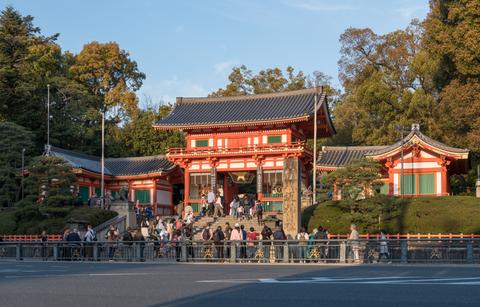
Yasaka Shrine
A popular and lively shrine located at the heart of the Gion district. It is the host of the Gion Matsuri, one of Japan's most famous festivals, held every July.
How Rafeek works in Kyoto
Download Rafeek
Get the app on iOS or Android and pick your destination.
Choose a guide
Browse the landmarks nearby and choose the ones you want.
Press play and walk
Listen as you go, at your own pace, online or offline.
About Kyoto
Kyoto, officially Kyoto City , is the capital city of Kyoto Prefecture in the Kansai region of Japan's largest and most populous island of Honshu. As of 2020, the city had a population of 1.46 million, making it the ninth-most populous city in Japan. More than half (56.8%) of Kyoto Prefecture's population resides in the city. The city is the cultural anchor of the substantially larger Greater Kyoto, a metropolitan statistical area home to approximately 3.8 million people. It is also part of the even larger Keihanshin metropolitan area, along with Osaka and Kobe.
Simple pricing
Try Rafeek before you pay for anything.
Free
$0
Start with sample guides and browse every destination and landmark before you commit.
Full access
In-app
Unlock complete audio guides, offline listening, and every landmark in the city from inside the app.
Ready to explore Kyoto?
Download Rafeek and let every landmark tell you its story.