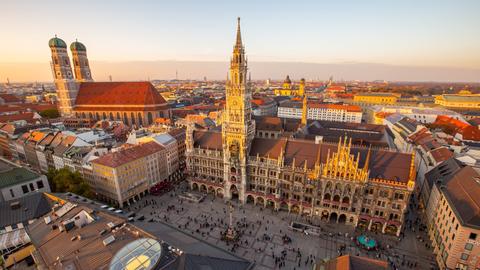
Germany · Europe
Discover Munich with Rafeek
Munich is the capital and most populous city of Bavaria, Germany.


Seeing Munich without the story is only half the trip
The problem
Group tours run on someone else's clock, printed signs say too little, and searching for context on your phone pulls you out of the moment. Most travellers leave Munich with photos but no sense of what they actually saw.
How Rafeek fixes it
Rafeek is a personal audio guide in your pocket. Press play at each landmark in Munich, listen at your own pace, and keep your eyes on the place instead of a screen. Guides work offline, so no roaming or signal worries.
What you'll discover in Munich
30 landmarks with their own audio guide — tap any one to read what you'll hear.
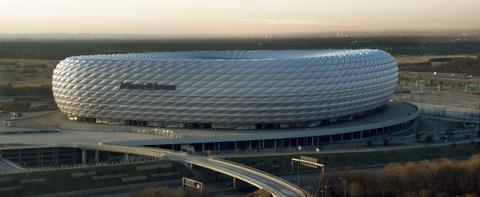
Allianz Arena
The home stadium of the FC Bayern Munich football club, located on the northern edge of the city. It is renowned for its unique facade made of inflated plastic panels that can be illuminated in various colors.
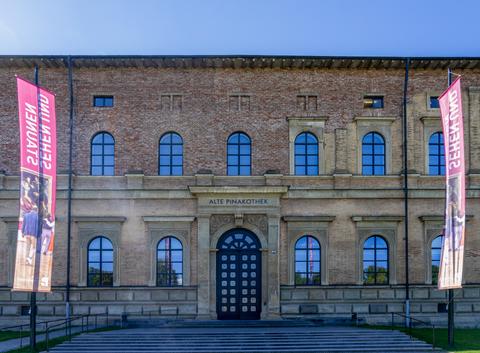
Alte Pinakothek
An art museum housing an outstanding collection of Old Master paintings from the 14th to the 18th century. It features masterpieces by artists such as Durer, Raphael, Rembrandt, and Rubens.
/Altes%20Rathaus%20(Old%20Town%20Hall).jpg)
Altes Rathaus (Old Town Hall)
The former seat of the municipality, this building on the eastern side of Marienplatz now houses a toy museum (Spielzeugmuseum). Its grand hall, rebuilt after WWII, is used for official city functions.
/Asamkirche%20(Asam%20Church).jpg)
Asamkirche (Asam Church)
Officially named St. Johann Nepomuk Church, this is a masterpiece of late Baroque and Rococo architecture. Built by the Asam brothers, its small interior is lavishly decorated with frescoes, stucco, and sculptures.
/Bavarian%20National%20Museum%20(Bayerisches%20Nationalmuseum).jpg)
Bavarian National Museum (Bayerisches Nationalmuseum)
One of Europe's most important museums of decorative arts, showcasing a rich collection of European artifacts from the Middle Ages to the early 20th century. The exhibits include sculptures, tapestries, furniture, and a famous nativity scene collection.
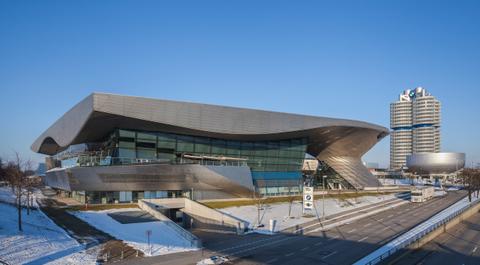
BMW Welt & Museum
A futuristic complex dedicated to the BMW brand, featuring an exhibition center (BMW Welt) and a museum. Visitors can explore the company's history, see classic cars, and view the latest models and technological concepts.
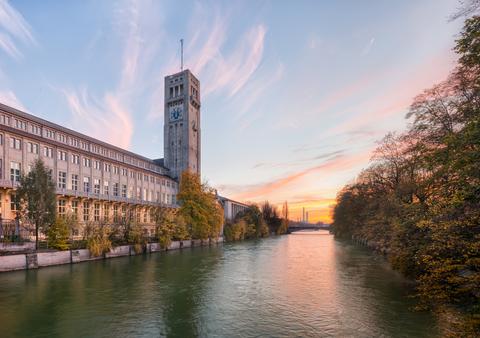
Deutsches Museum
Located on an island in the Isar river, this is one of the oldest and largest science and technology museums in the world. Its vast collection covers everything from aerospace and mining to musical instruments and pharmaceuticals.
/Englischer%20Garten%20(English%20Garden).jpg)
Englischer Garten (English Garden)
One of the world's largest urban public parks, stretching from the city center to the northeastern city limits. It features a Japanese teahouse, the Chinese Tower beer garden, and a standing wave on the Eisbach river for surfers.
/Feldherrnhalle%20(Field%20Marshals%20Hall).jpg)
Feldherrnhalle (Field Marshals' Hall)
A monumental loggia on Odeonsplatz, modeled on the Loggia dei Lanzi in Florence. It was built to honor the Bavarian Army and was the site of the pivotal confrontation during the 1923 Beer Hall Putsch.
/Frauenkirche%20(Cathedral%20of%20Our%20Blessed%20Lady).jpg)
Frauenkirche (Cathedral of Our Blessed Lady)
Munich's most famous church and an iconic symbol of the city, easily recognizable by its two massive onion-domed towers. The late Gothic cathedral offers panoramic city views from its south tower.
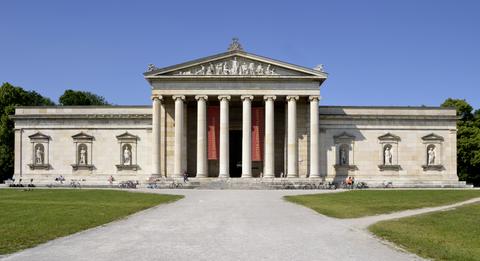
Glyptothek
An art museum on Konigsplatz dedicated to ancient Greek and Roman sculptures. Commissioned by King Ludwig I, the neoclassical building itself is an architectural gem designed to house his extensive collection.
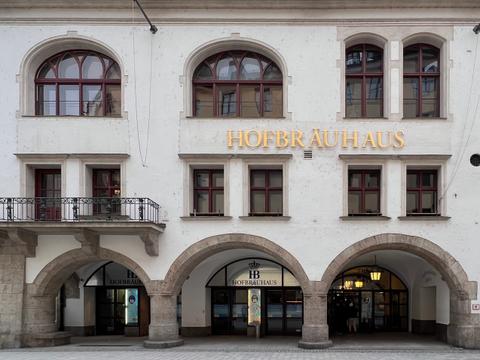
Hofbrauhaus am Platzl
One of the world's most famous beer halls, owned by the Bavarian state government. Founded in 1589, it is a major tourist attraction known for its lively atmosphere, traditional music, and classic Bavarian food and beer.
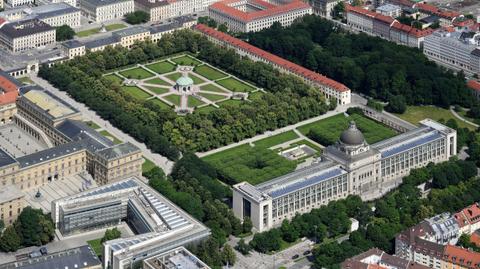
Hofgarten
A formal court garden located between the Munich Residenz and the English Garden. It offers a tranquil escape with its tree-lined paths, fountains, and the central Dianatempel pavilion, where musicians often perform.
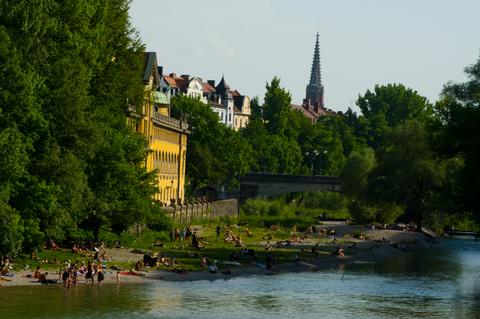
Isar River Banks
The river Isar flows through Munich, and its banks serve as a major recreational area for the city's residents. In summer, the gravel banks are popular for sunbathing, barbecues, and swimming, offering a beach-like atmosphere in the city.
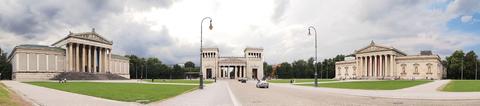
Konigsplatz
A grand neoclassical square built in the 19th century by King Ludwig I to evoke the classical splendor of ancient Greece. It is flanked by three impressive buildings: the Glyptothek, the Propylaea, and the State Museum of Classical Art.
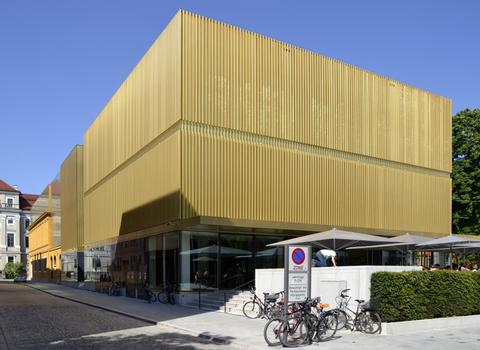
Lenbachhaus
An art museum housed in a historic villa, famous for its world-class collection of works by The Blue Rider, a group of German Expressionist painters. A modern, golden extension was added to the building, creating a striking architectural contrast.
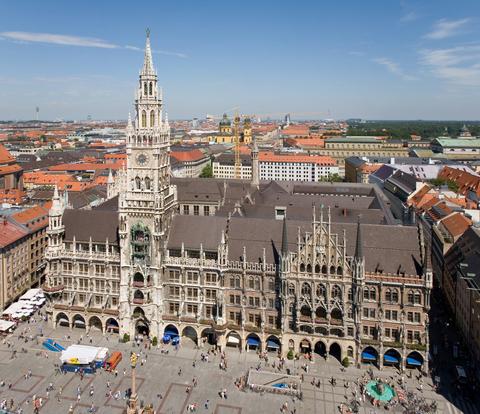
Marienplatz
The central square in the heart of Munich since 1158, Marienplatz is dominated by the New Town Hall (Neues Rathaus) and its famous Glockenspiel. It serves as a hub for shopping, festivals, and is the city's main gathering point.
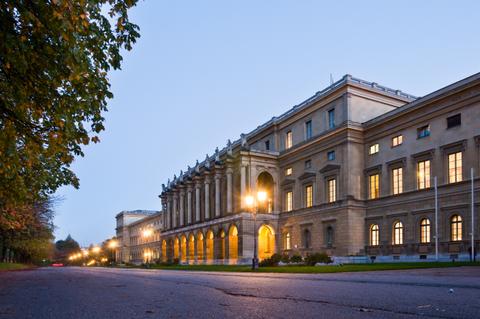
Munich Residenz
The former royal palace of the Wittelsbach monarchs of Bavaria, located in the center of the city. It is the largest city palace in Germany and is open to visitors for its architecture, room decorations, and displays from the former royal collections.
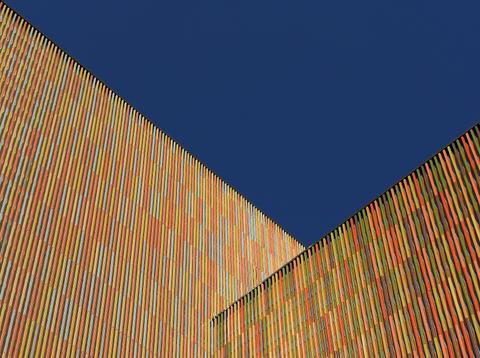
Museum Brandhorst
A modern art museum in the Kunstareal (art district) known for its significant collection of contemporary art, including major works by Andy Warhol and Cy Twombly. The building is an attraction itself, with a facade of 36,000 colorful ceramic louvers.
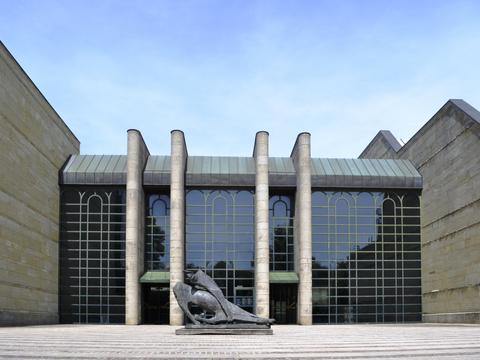
Neue Pinakothek
A renowned art gallery dedicated to European painting and sculpture from the 18th and 19th centuries. The main building is currently closed for extensive renovations, but a selection of masterpieces is on display in the Alte Pinakothek and the Sammlung Schack.
/Neues%20Rathaus%20(New%20Town%20Hall).jpg)
Neues Rathaus (New Town Hall)
A stunning neo-gothic building on Marienplatz that houses the city government. Its main attraction is the Glockenspiel, a carillon in the tower that re-enacts historical Bavarian stories twice daily.
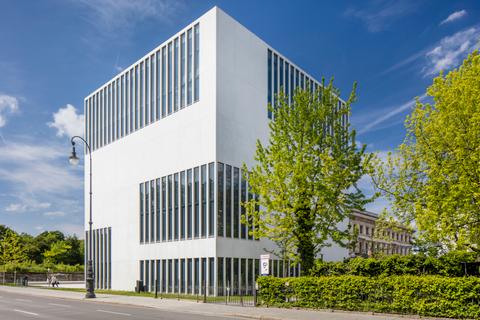
NS-Dokumentationszentrum Munchen
The Munich Documentation Center for the History of National Socialism is a museum that chronicles the origins and rise of the Nazi movement in Munich. It is located on the site of the former Nazi Party headquarters, providing a sobering look at this dark period of history.
/Nymphenburg%20Palace%20(Schloss%20Nymphenburg).jpg)
Nymphenburg Palace (Schloss Nymphenburg)
A magnificent Baroque palace that served as the main summer residence of the former rulers of Bavaria. The palace is surrounded by a 200-hectare park with canals, pavilions, and the Marstallmuseum's collection of royal carriages.
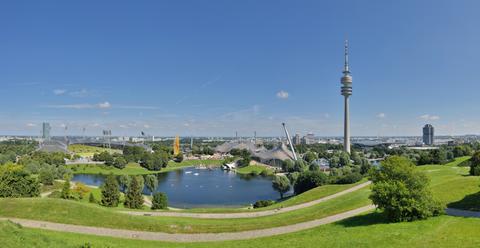
Olympiapark
The site of the 1972 Summer Olympics, this vast park is now a major recreational and cultural center. It features iconic architecture like the Olympic Stadium with its tensile roof, the Olympic Tower for city views, and hosts numerous concerts and events.
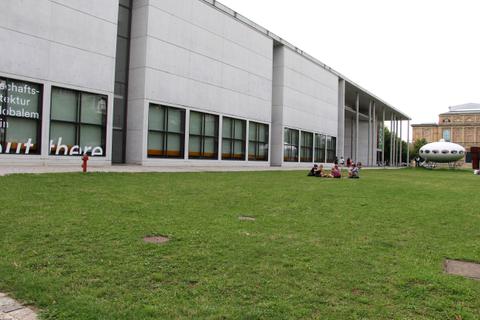
Pinakothek der Moderne
A modern art museum that uniquely combines four independent collections: art, architecture, design, and works on paper. The building itself is a major architectural work, with a light-flooded central rotunda.
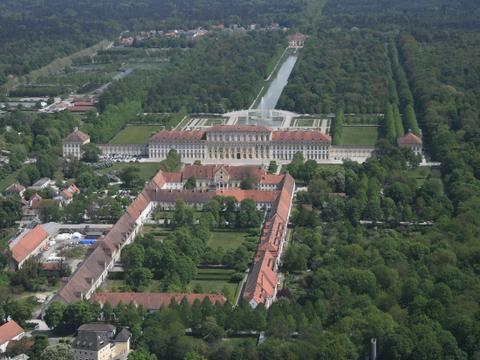
Schleissheim Palace Complex
Located just outside Munich, this impressive complex consists of three palaces within a grand baroque park. The New Palace, Old Palace, and Lustheim Palace offer a glimpse into the courtly life of Bavarian electors.
/Siegestor%20(Victory%20Gate).jpg)
Siegestor (Victory Gate)
A triumphal arch crowned with a statue of Bavaria with a lion-quadriga, located at the northern end of Ludwigstrasse. Originally dedicated to the Bavarian army, it now stands as a monument to peace and a reminder of the destruction of war.
/St.%20Peters%20Church%20(Alter%20Peter).jpg)
St. Peter's Church (Alter Peter)
Munich's oldest parish church, located just off Marienplatz. Its tower, affectionately known as 'Old Peter', is a famous landmark that offers one of the best panoramic views of the city and the distant Alps.
/Theatinerkirche%20(Theatine%20Church).jpg)
Theatinerkirche (Theatine Church)
A Catholic collegiate church at Odeonsplatz, built in the Italian high-Baroque style. Its bright yellow Rococo facade and magnificent stucco interior make it one of the most beautiful churches in the city.
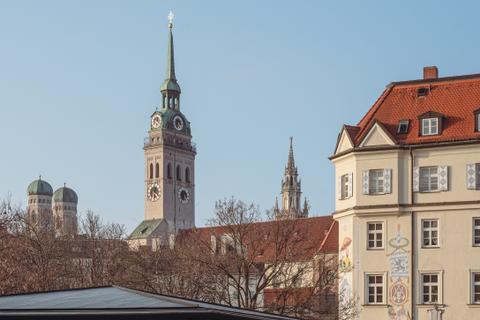
Viktualienmarkt
A daily outdoor food market and square located in the heart of Munich. It offers a vibrant atmosphere with stalls selling fresh produce, gourmet foods, flowers, and traditional Bavarian snacks, centered around a popular beer garden.
How Rafeek works in Munich
Download Rafeek
Get the app on iOS or Android and pick your destination.
Choose a guide
Browse the landmarks nearby and choose the ones you want.
Press play and walk
Listen as you go, at your own pace, online or offline.
About Munich
Munich is the capital and most populous city of Bavaria, Germany. As of 30 November 2024, its population was 1,604,384, making it the third-largest city in Germany after Berlin and Hamburg. Munich is the largest city in Germany that is not a state of its own, and it ranks as the 11th-largest city in the European Union (EU). The metropolitan area has around 3 million inhabitants, and the broader Munich Metropolitan Region is home to about 6.2 million people. It is the third largest metropolitan region by GDP in the EU. Munich is located on the river Isar north of the Alps. It is the seat of the Upper Bavarian administrative region.
Simple pricing
Try Rafeek before you pay for anything.
Free
$0
Start with sample guides and browse every destination and landmark before you commit.
Full access
In-app
Unlock complete audio guides, offline listening, and every landmark in the city from inside the app.
Ready to explore Munich?
Download Rafeek and let every landmark tell you its story.