Portugal · Europe
Discover Lisbon with Rafeek
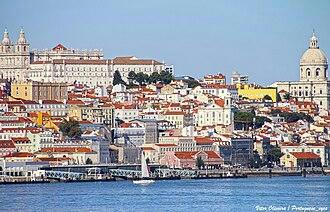
Lisbon is the capital and most populous city of Portugal, with an estimated population of 658,236 as of 2025, within its administrative limits and 3,353,000 within the metropolis, as of 2025.


Seeing Lisbon without the story is only half the trip
The problem
Group tours run on someone else's clock, printed signs say too little, and searching for context on your phone pulls you out of the moment. Most travellers leave Lisbon with photos but no sense of what they actually saw.
How Rafeek fixes it
Rafeek is a personal audio guide in your pocket. Press play at each landmark in Lisbon, listen at your own pace, and keep your eyes on the place instead of a screen. Guides work offline, so no roaming or signal worries.
What you'll discover in Lisbon
33 landmarks with their own audio guide — tap any one to read what you'll hear.
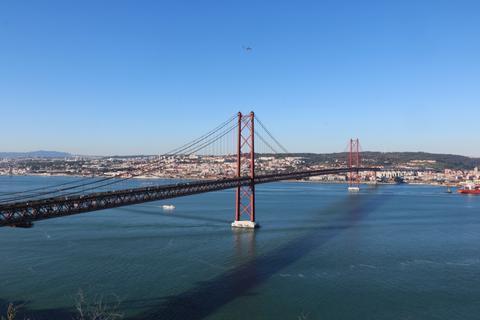
25 de Abril Bridge
A massive red suspension bridge spanning the Tagus River, often compared to San Francisco's Golden Gate Bridge. It connects Lisbon to the municipality of Almada and is one of the city's most iconic landmarks.
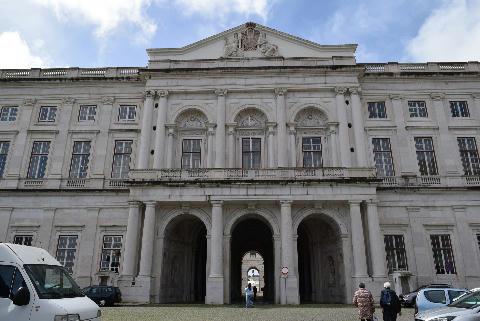
Ajuda National Palace
A grand neoclassical palace that was the official residence of the Portuguese royal family in the 19th century. Now a museum, it offers a glimpse into royal life with its lavishly decorated rooms and extensive collection of decorative arts.
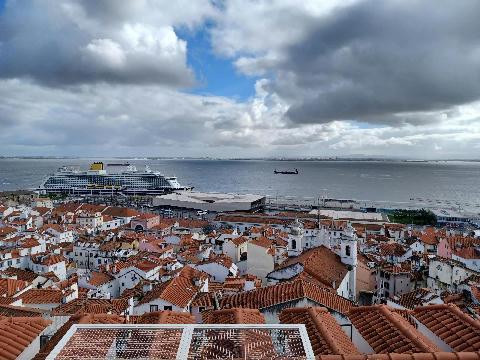
Alfama District
The oldest district in Lisbon, a delightful maze of narrow cobblestone streets, ancient houses, and tiny squares. This historic neighborhood survived the 1755 earthquake and is famous for its traditional Fado restaurants and historic charm.
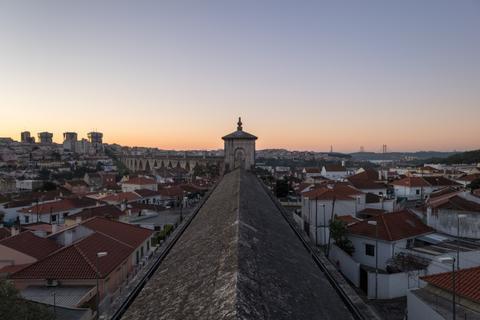
Aqueduto das Aguas Livres
A historic 18th-century aqueduct that is a remarkable feat of engineering, having survived the 1755 earthquake intact. It once supplied Lisbon with its drinking water, and visitors can now walk across the top of its iconic stone arches.
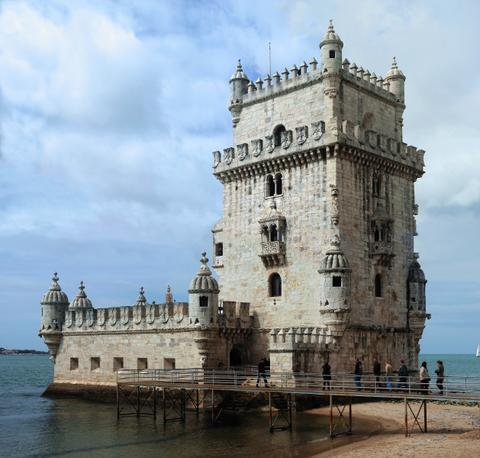
Belem Tower
A 16th-century fortification on the bank of the Tagus river, serving as both a fortress and a ceremonial gateway to Lisbon. This UNESCO World Heritage site is a prime example of the Portuguese Manueline style and a symbol of the Age of Discoveries.
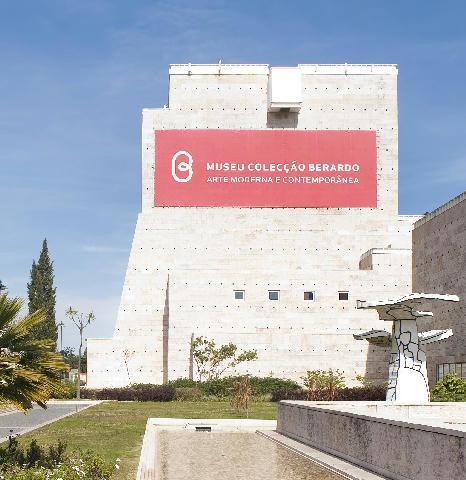
Berardo Collection Museum
Located in the Belem Cultural Centre, this museum showcases a significant collection of modern and contemporary art. It features works from major artistic movements, including pieces by Picasso, Warhol, Dali, and Lichtenstein.
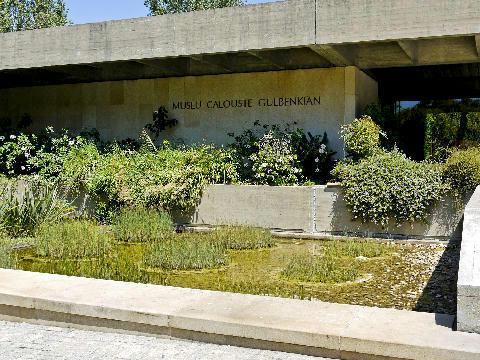
Calouste Gulbenkian Museum
A world-class museum housing an extensive private collection of ancient and modern art. The collection includes masterpieces of Egyptian, Greco-Roman, Islamic, Asian, and European art, set within a beautiful modern building and garden.
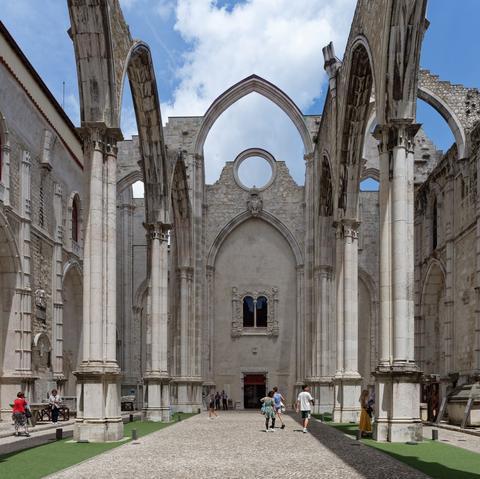
Carmo Convent
The hauntingly beautiful ruins of a medieval convent that was largely destroyed during the 1755 earthquake. Its roofless Gothic church now serves as a dramatic open-air archaeological museum, a poignant reminder of the city's past.
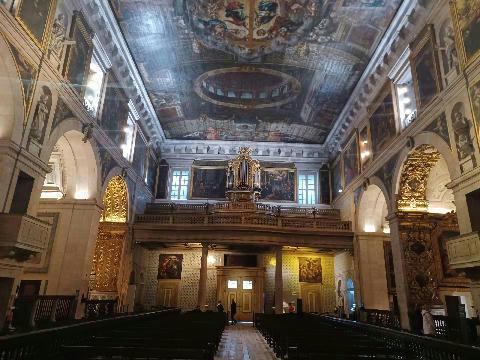
Church of Sao Roque
One of the earliest Jesuit churches in the world, featuring a plain exterior that belies its incredibly lavish interior. It is renowned for the Chapel of St. John the Baptist, a masterpiece of European art commissioned in Rome and assembled in Lisbon.

Cristo Rei
A Catholic monument and shrine depicting Christ with open arms, overlooking the city of Lisbon from the south bank of the Tagus River. Inspired by the Christ the Redeemer statue in Rio de Janeiro, its pedestal offers a breathtaking panoramic viewpoint.
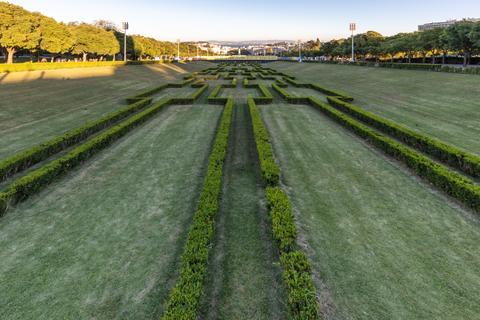
Eduardo VII Park
A large public park located at the top of Avenida da Liberdade, offering one of the best views over central Lisbon. The park features manicured geometric hedges, the Estufa Fria greenhouse, and various monuments.
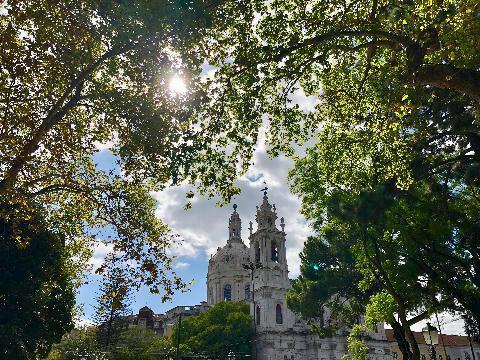
Estrela Basilica
A massive neoclassical and late-baroque basilica known for its huge dome and ornate facade. Commissioned by Queen Maria I of Portugal, it is one of Lisbon's most impressive churches and features an elaborate nativity scene by sculptor Machado de Castro.
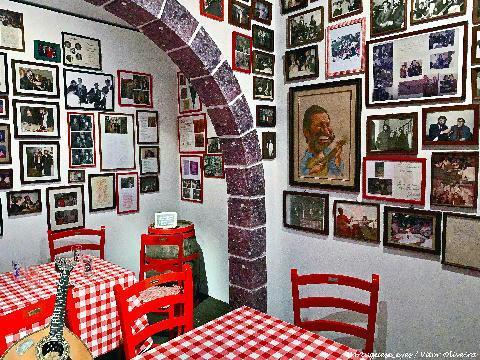
Fado Museum
A museum dedicated to the history and cultural significance of Fado, Portugal's soulful traditional music. Located in the Alfama district, it offers an interactive journey through the evolution of this unique musical genre.
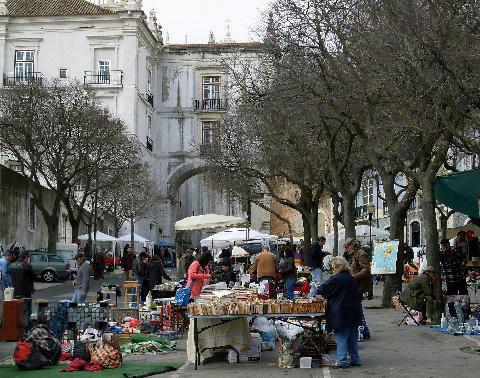
Feira da Ladra
Lisbon's most famous flea market, held every Tuesday and Saturday in the Alfama district. It is a sprawling market where you can find everything from antiques and second-hand clothing to handmade crafts and unique souvenirs.
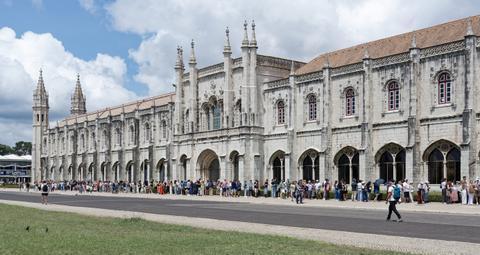
Jeronimos Monastery
A magnificent monastery commissioned in the early 1500s to commemorate Vasco da Gama's voyage to India. As a UNESCO World Heritage site, it is one of the most prominent examples of the Portuguese Late Gothic Manueline style of architecture.
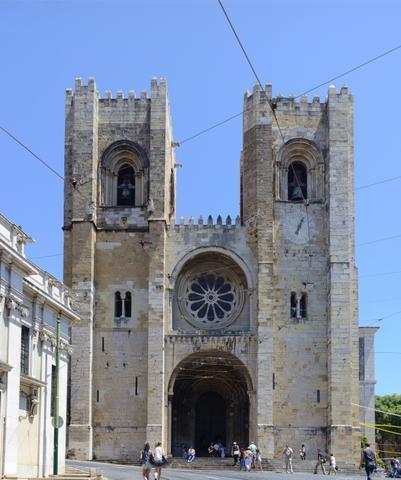
Lisbon Cathedral
Known as the Se de Lisboa, this is the oldest and most important church in the city. Its fortress-like Romanesque facade has withstood numerous earthquakes, and its interior features a mix of architectural styles and a beautiful cloister.
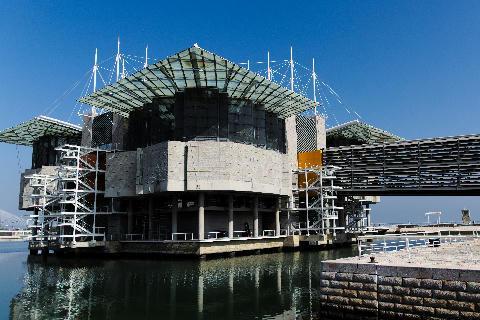
Lisbon Oceanarium
One of the largest indoor aquariums in Europe, located in the modern Parque das Nacoes district. Its main attraction is a massive central tank that creates the illusion of the open ocean, surrounded by four distinct marine habitats.

LX Factory
A former 19th-century industrial complex that has been transformed into a vibrant and creative hub. It is now home to a variety of art studios, quirky shops, unique restaurants, and cultural event spaces.
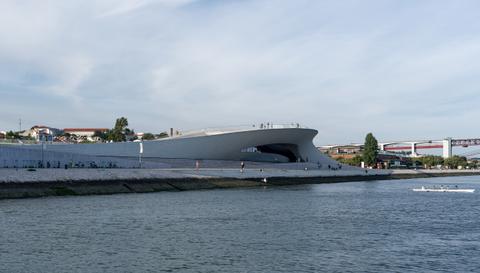
MAAT - Museum of Art, Architecture and Technology
A contemporary museum on the Tagus riverbank, featuring a stunning, futuristic building alongside a former power station. It hosts a range of international exhibitions at the intersection of art, architecture, and technology.
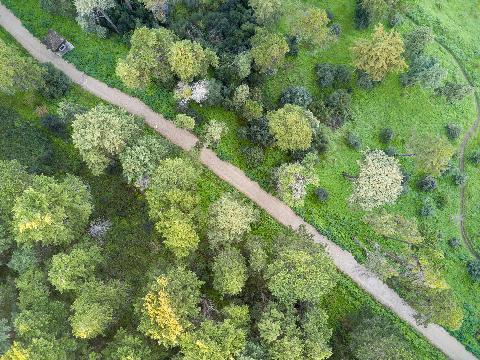
Monsanto Forest Park
A vast protected forest known as the 'Lung of Lisbon', covering a large area in the western part of the city. It offers numerous trails for hiking and mountain biking, picnic areas, and viewpoints, providing a natural escape from the urban environment.
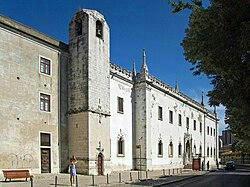
National Azulejo Museum
A unique museum dedicated to the azulejo, the traditional tin-glazed ceramic tilework of Portugal. Housed in the former Madre de Deus Convent, its collection spans from the 15th century to the present day.
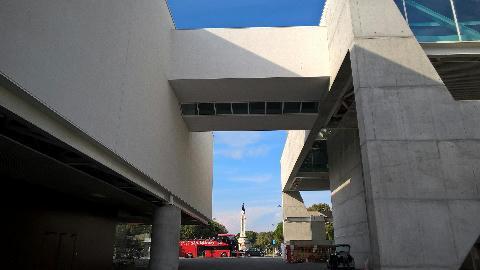
National Coach Museum
Home to one of the world's most important collections of historical carriages. The museum displays a magnificent array of opulent and ornate coaches belonging to the Portuguese royal family from the 17th to 19th centuries.
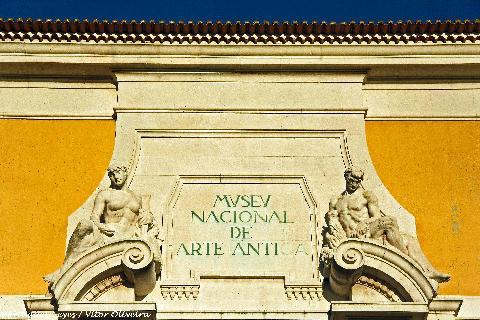
National Museum of Ancient Art
Portugal's most important art museum, featuring a vast collection of Portuguese painting, sculpture, and decorative arts from the Middle Ages to the early 19th century. It is housed in a 17th-century palace and offers stunning views of the Tagus River.

National Pantheon
Housed in the magnificent Church of Santa Engracia, this monument is the final resting place for many of Portugal's most important historical figures. Its grand dome dominates the Alfama skyline and offers a terrace with panoramic city views.
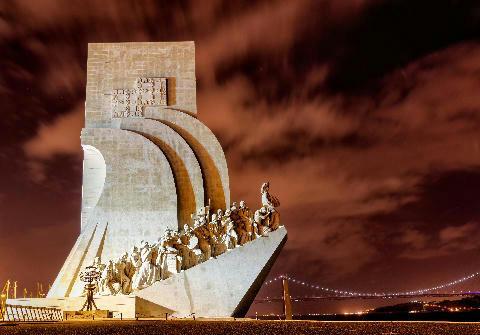
Padrao dos Descobrimentos
A monumental tribute to Portugal's Age of Discovery, located on the bank of the Tagus River. The monument is shaped like a caravel and features sculptures of key historical figures who participated in the explorations.
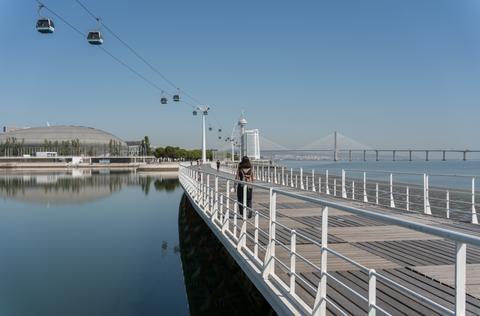
Parque das Nacoes
A modern district on the Tagus riverfront, originally built for the 1998 World Exposition. It is known for its contemporary architecture, including the Lisbon Oceanarium, Vasco da Gama Tower, and a cable car that provides scenic views.
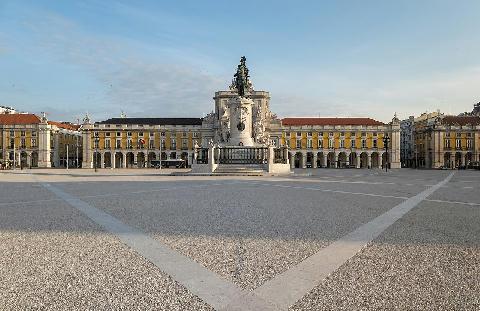
Praca do Comercio
A grand, harbor-facing plaza, one of the largest in Europe, that was rebuilt after the great 1755 earthquake. It is framed by distinctive yellow buildings and the triumphal Rua Augusta Arch, historically serving as the city's commercial heart.
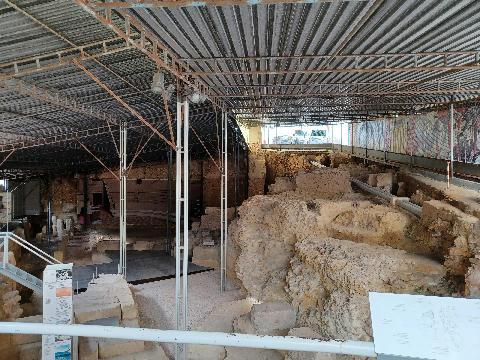
Roman Theatre Ruins
The archaeological remains of a Roman theatre dating back to the 1st century AD, located in the heart of Lisbon. An accompanying museum showcases the history of the site and the artifacts unearthed during its excavation.
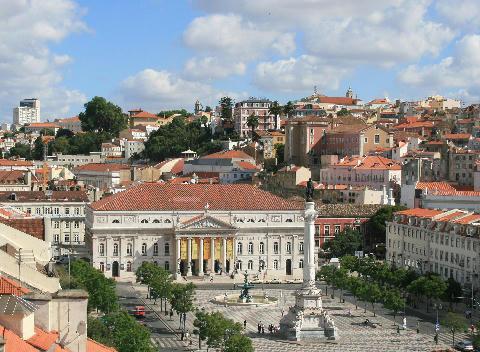
Rossio Square
Officially named Praca Dom Pedro IV, this is one of Lisbon's most lively squares, known for its wave-patterned cobblestone pavement. It has been a central meeting point for centuries, featuring monumental fountains, the National Theatre, and numerous cafes.
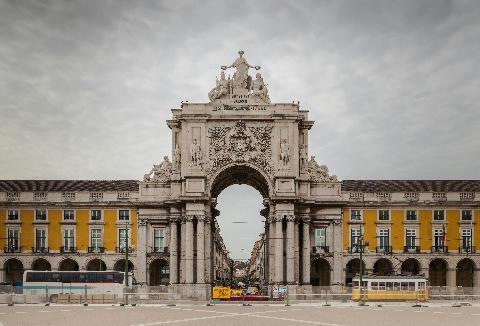
Rua Augusta Arch
A grand triumphal arch that stands as the gateway to Praca do Comercio from the bustling Rua Augusta. Built to commemorate the city's reconstruction after the 1755 earthquake, its top offers a viewing platform with 360-degree views.
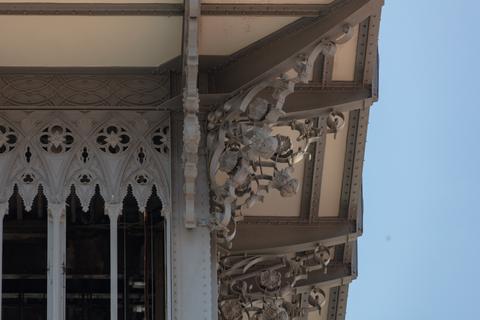
Santa Justa Lift
An ornate, 19th-century wrought-iron elevator that connects the lower streets of the Baixa district with the higher Largo do Carmo. Designed by a student of Gustave Eiffel, it offers a viewing platform with panoramic views over downtown Lisbon.
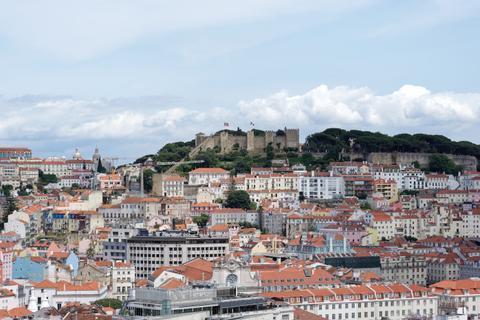
Sao Jorge Castle
A historic Moorish castle occupying a commanding hilltop overlooking the historic centre of Lisbon and the Tagus River. Visitors can walk along its ancient walls, explore the archaeological site, and enjoy some of the most breathtaking panoramic views of the city.
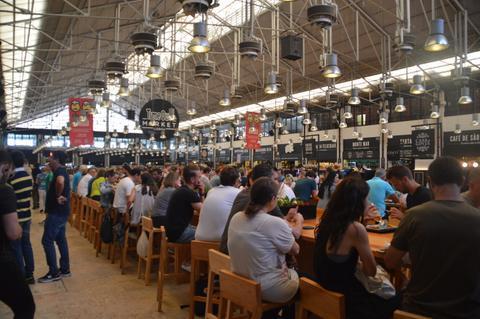
Time Out Market Lisboa
A bustling food hall located in the historic Mercado da Ribeira, featuring dozens of kiosks from top chefs and restaurants. It offers a curated selection of the best food in Lisbon, from traditional dishes to contemporary cuisine.
How Rafeek works in Lisbon
Download Rafeek
Get the app on iOS or Android and pick your destination.
Choose a guide
Browse the landmarks nearby and choose the ones you want.
Press play and walk
Listen as you go, at your own pace, online or offline.
About Lisbon
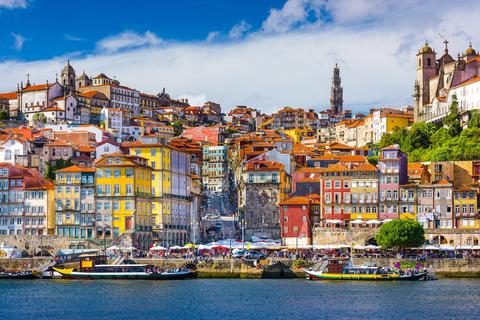
Lisbon is the capital and most populous city of Portugal, with an estimated population of 658,236 as of 2025, within its administrative limits and 3,353,000 within the metropolis, as of 2025. The city lies in the western portion of the Iberian Peninsula, on the northern shore of the River Tagus. The western portion of its metro area, the Portuguese Riviera, hosts the westernmost point of Continental Europe, culminating at Cabo da Roca.

Simple pricing
Try Rafeek before you pay for anything.
Free
$0
Start with sample guides and browse every destination and landmark before you commit.
Full access
In-app
Unlock complete audio guides, offline listening, and every landmark in the city from inside the app.
Ready to explore Lisbon?
Download Rafeek and let every landmark tell you its story.