Argentina · South America
Discover Buenos Aires with Rafeek
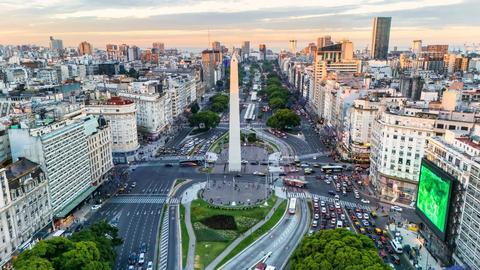
Buenos Aires, officially the Autonomous City of Buenos Aires, is the capital and largest city of Argentina.


Seeing Buenos Aires without the story is only half the trip
The problem
Group tours run on someone else's clock, printed signs say too little, and searching for context on your phone pulls you out of the moment. Most travellers leave Buenos Aires with photos but no sense of what they actually saw.
How Rafeek fixes it
Rafeek is a personal audio guide in your pocket. Press play at each landmark in Buenos Aires, listen at your own pace, and keep your eyes on the place instead of a screen. Guides work offline, so no roaming or signal worries.
What you'll discover in Buenos Aires
33 landmarks with their own audio guide — tap any one to read what you'll hear.
/Bosques%20de%20Palermo%20(Parque%20Tres%20de%20Febrero).jpg)
Bosques de Palermo (Parque Tres de Febrero)
A massive urban park that serves as the city's green lung, offering a tranquil escape with lakes, groves, and gardens. It contains the Rosedal (Rose Garden), the Japanese Garden, and the Galileo Galilei Planetarium.
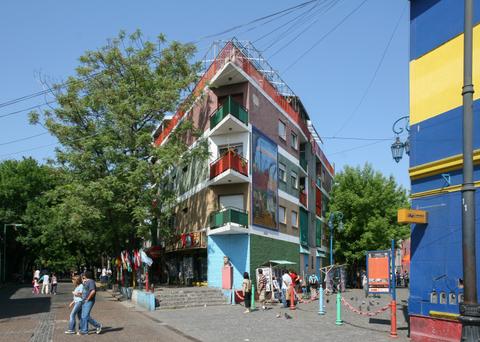
Caminito
A colorful street museum and traditional alley located in the La Boca neighborhood. It is famous for its brightly painted tenement houses, street tango performances, and open-air art vendors, reflecting the area's immigrant history.
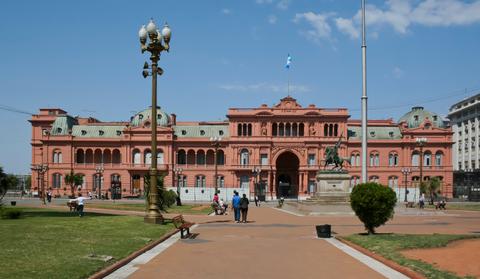
Casa Rosada
The official executive mansion and office of the President of Argentina, located on the eastern side of Plaza de Mayo. The building is famous for its distinctive pink color and the balcony from which figures like Eva Peron addressed the nation.
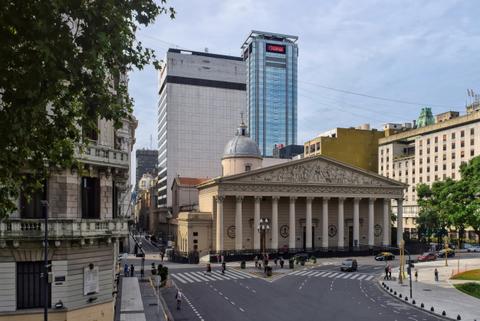
Catedral Metropolitana
The main Catholic church in Buenos Aires, located on Plaza de Mayo, with a striking 19th-century Neoclassical facade. It houses the mausoleum of General Jose de San Martin, Argentina's independence hero, and was the archdiocesan seat of Pope Francis.
/Centro%20Cultural%20Kirchner%20(CCK).jpg)
Centro Cultural Kirchner (CCK)
A magnificent cultural center housed in the former central post office building, a stunning example of French neoclassical architecture. It is one of the largest cultural centers in the world, hosting a wide array of free concerts, art exhibitions, and performances.
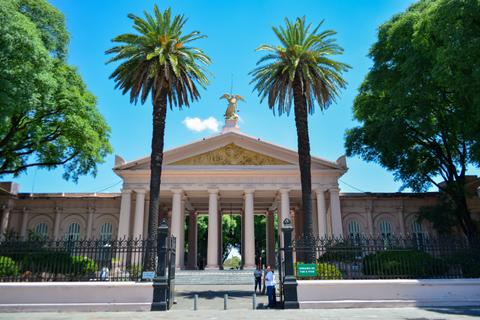
Chacarita Cemetery
The largest cemetery in Argentina, often seen as a more popular and less aristocratic counterpart to Recoleta. It is the final resting place for many prominent figures from Argentina's cultural and political life, including tango legend Carlos Gardel, whose tomb is a site of pilgrimage.
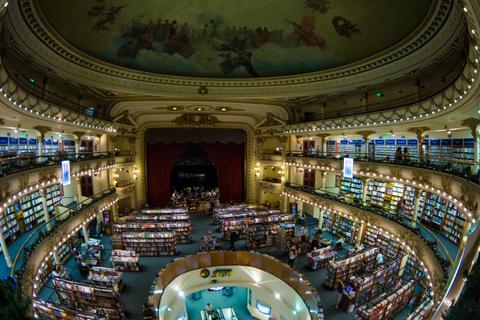
El Ateneo Grand Splendid
A breathtakingly beautiful bookstore housed inside a magnificently preserved former theater from the 1920s. Visitors can browse books on the main floor or relax in the former theater boxes, all under a stunning frescoed ceiling.
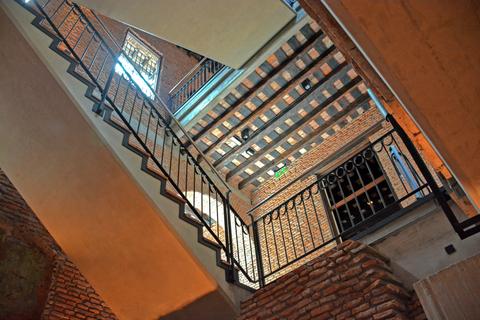
El Zanjon de Granados
A unique archaeological site and museum in San Telmo, consisting of a restored 1830s mansion built over a labyrinth of underground tunnels and sewers from the city's earliest days. Tours reveal the layers of Buenos Aires' history, from its founding to the 19th century.
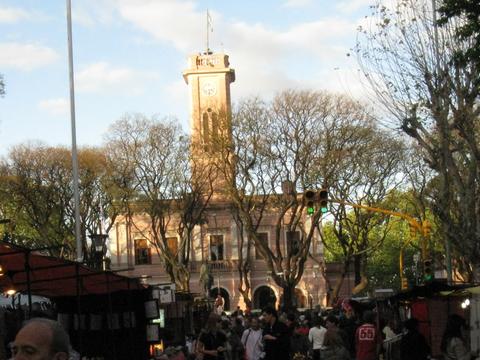
Feria de Mataderos
A traditional weekend fair located in the Mataderos neighborhood that celebrates Argentina's rural and gaucho (cowboy) traditions. Visitors can experience folk music and dancing, traditional foods, artisan crafts, and thrilling displays of gaucho horsemanship.
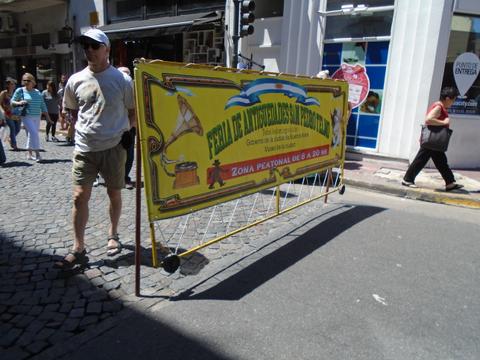
Feria de San Telmo
A massive and vibrant street market that takes over the main square and surrounding streets of San Telmo every Sunday. It's a fantastic place to find antiques, unique crafts, and souvenirs, while enjoying street food and spontaneous tango performances.
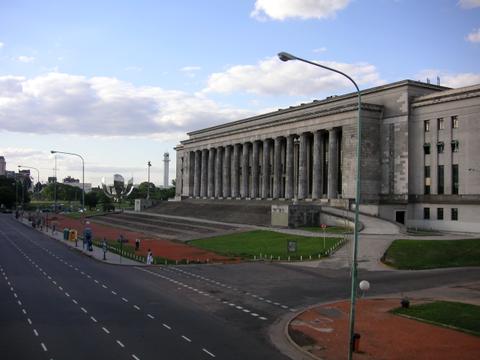
Floralis Generica
A giant, 23-meter-high steel and aluminum flower sculpture located in the Plaza de las Naciones Unidas. Created by architect Eduardo Catalano, its massive petals mechanically open during the day and close at night, symbolizing hope.
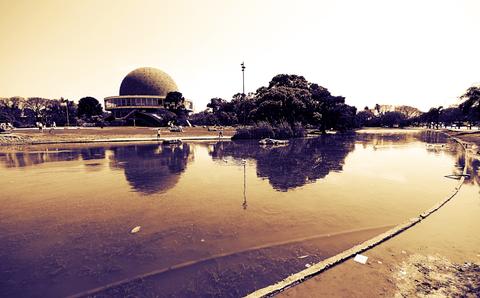
Galileo Galilei Planetarium
Located in the Bosques de Palermo, this planetarium is housed in a distinctive, futuristic building resembling a UFO. It offers immersive shows about the universe and astronomy, as well as a museum with meteorites and other space-related exhibits.
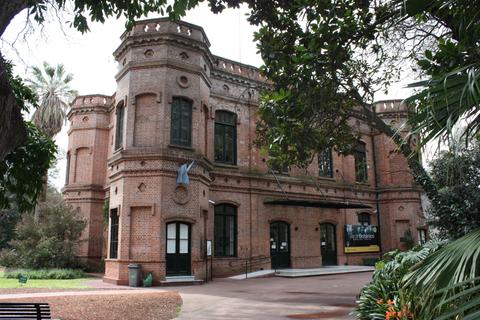
Jardin Botanico Carlos Thays
A beautiful botanical garden designed by French landscape architect Carlos Thays, located in Palermo. It features over 5,000 species of plants from around the world, organized into sections by continent, along with greenhouses and numerous sculptures.
/Jardin%20Japones%20(Japanese%20Garden).jpg)
Jardin Japones (Japanese Garden)
A serene and beautifully maintained Japanese garden located within the Bosques de Palermo. It offers a peaceful retreat with traditional elements like a large pond with koi fish, red bridges, stone lanterns, and a variety of Japanese plants.
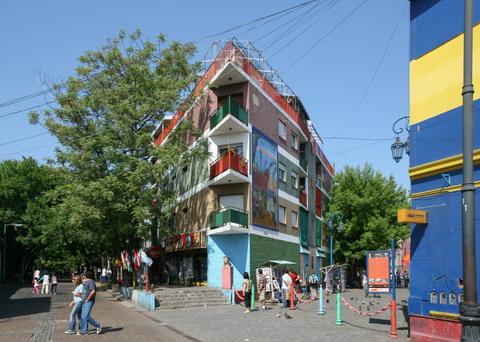
La Boca
A vibrant and colorful neighborhood known for its strong European immigrant heritage, particularly from Genoa, Italy. It is famous for the Caminito street museum, with its brightly painted houses, tango dancers, and the legendary La Bombonera football stadium.
/MALBA%20(Latin%20American%20Art%20Museum%20of%20Buenos%20Aires).jpg)
MALBA (Latin American Art Museum of Buenos Aires)
A modern museum dedicated to showcasing Latin American art from the 20th century to the present. Its collection includes works by renowned artists like Frida Kahlo, Diego Rivera, and Fernando Botero.
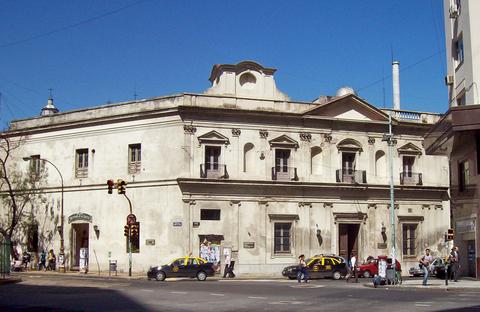
Manzana de las Luces
The 'Block of Enlightenment' is a historic block that was the intellectual and cultural center of Buenos Aires during the 17th and 18th centuries. It contains some of the city's oldest buildings, including the San Ignacio Church and a network of tunnels built by the Jesuits.
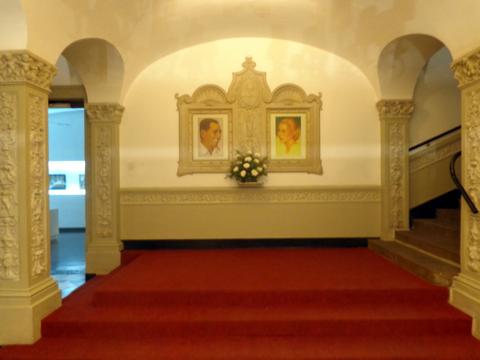
Museo Evita
A museum dedicated to the life and legacy of Argentina's iconic First Lady, Eva Peron. Housed in a beautiful 20th-century mansion that once served as a shelter she founded, it displays her clothing, photographs, and personal effects.
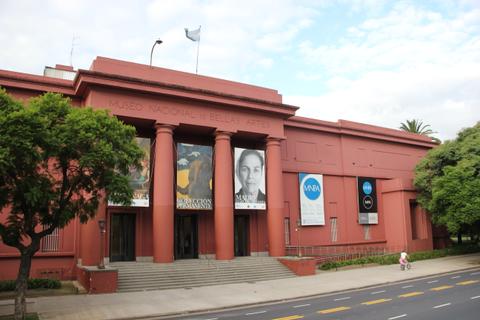
Museo Nacional de Bellas Artes
Argentina's National Museum of Fine Arts, holding the country's most important collection of international and Argentine art. Its extensive collection includes masterpieces by European artists like Rembrandt, Goya, and Van Gogh, alongside key Argentine painters.
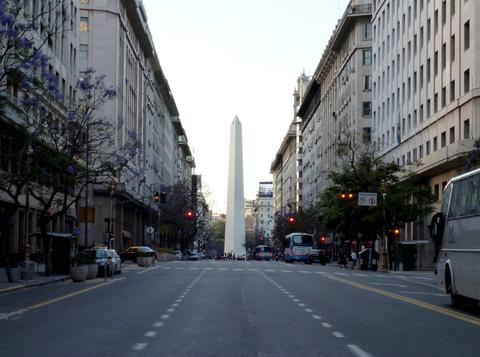
Obelisco de Buenos Aires
An iconic national historic monument and a symbol of the city, located in the Plaza de la Republica at the intersection of avenues Corrientes and 9 de Julio. The 67.5-meter-tall obelisk was built in 1936 to commemorate the 400th anniversary of the city's founding.
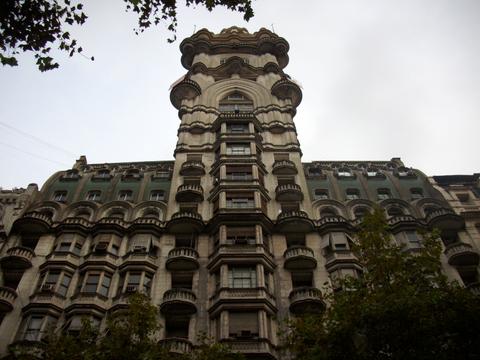
Palacio Barolo
An architectural landmark inspired by Dante Alighieri's Divine Comedy, with its design divided into sections representing Hell, Purgatory, and Heaven. The building offers guided tours that culminate in breathtaking 360-degree views of the city from its lighthouse.
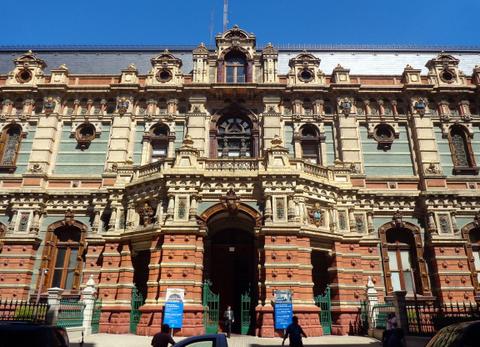
Palacio de Aguas Corrientes
An incredibly ornate building that formerly served as a water pumping station, now housing a small water museum. Its spectacular facade is covered in over 300,000 multi-colored, glazed terracotta tiles imported from England and Belgium.
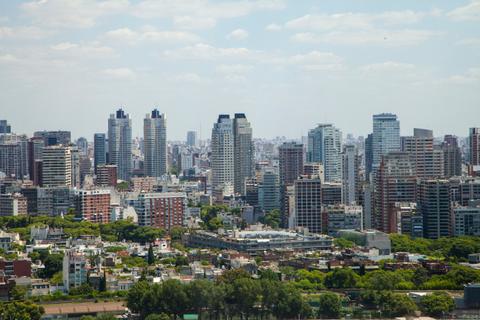
Palermo
The largest neighborhood in Buenos Aires, known for its vast green spaces, including the Bosques de Palermo. It is divided into trendy sub-districts like Palermo Soho and Palermo Hollywood, which are hubs for fashion, design, and gastronomy.
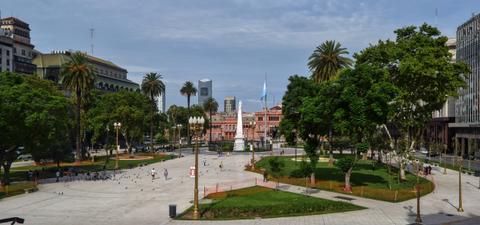
Plaza de Mayo
The main city square and the political heart of Buenos Aires, Plaza de Mayo has been the scene of many of the most important events in Argentine history. It is surrounded by iconic buildings such as the Casa Rosada, the Cabildo, and the Metropolitan Cathedral.
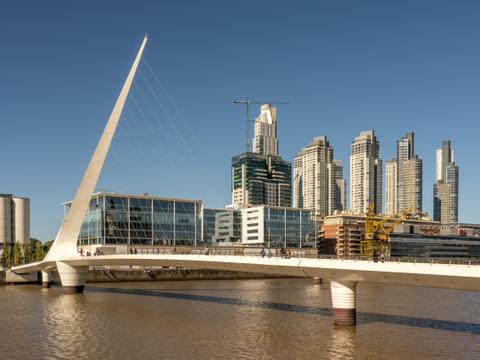
Puente de la Mujer
An elegant rotating footbridge in the Puerto Madero district, designed by the renowned Spanish architect Santiago Calatrava. Its sleek, asymmetrical design is said to represent a couple dancing the tango and it pivots to allow water traffic to pass.
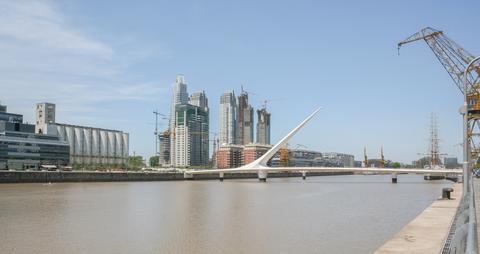
Puerto Madero
The city's redeveloped docklands, now a sophisticated and modern district with sleek skyscrapers, upscale restaurants, and chic hotels. It is known for the iconic Puente de la Mujer, a rotating pedestrian bridge designed by Santiago Calatrava.
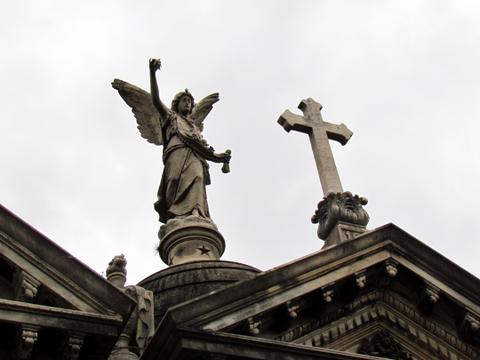
Recoleta Cemetery
A world-renowned cemetery in the affluent Recoleta neighborhood, designed like a city with streets lined by elaborate and ornate mausoleums. It is the final resting place for many of Argentina's most famous figures, including Eva Peron.
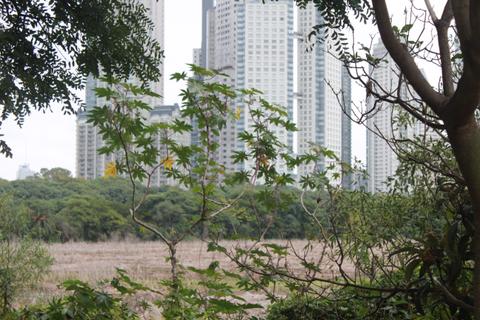
Reserva Ecologica Costanera Sur
A sprawling 350-hectare nature reserve located on the banks of the Rio de la Plata, just east of Puerto Madero. It is a haven for birdwatchers and nature lovers, offering a network of trails for walking and cycling with views of the city skyline.
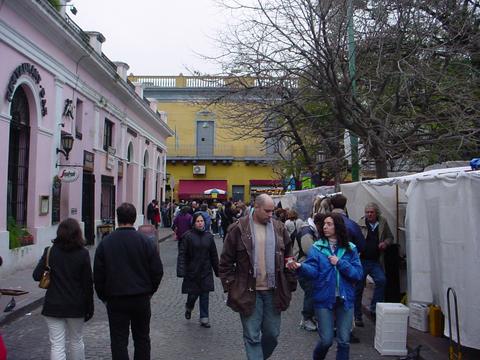
San Telmo
The oldest and most historic neighborhood in Buenos Aires, characterized by its cobblestone streets, colonial-era architecture, and bohemian atmosphere. It is famous for its antique shops and the bustling Sunday street market, the Feria de San Telmo.
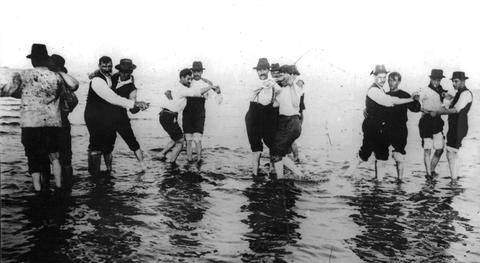
Tango Culture in Buenos Aires
Recognized by UNESCO as an Intangible Cultural Heritage of Humanity, Tango is the soul of Buenos Aires. Visitors can experience it through professional stage shows, intimate performances in historic cafes, or by visiting a 'milonga' to watch or participate in the social dance.
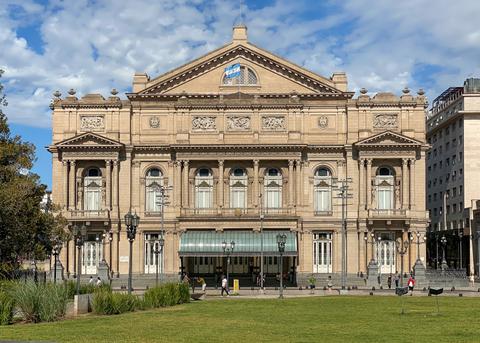
Teatro Colon
Considered one of the top five opera houses in the world for its exceptional acoustics and magnificent architecture. Opened in 1908, it hosts world-class opera, ballet, and classical music performances.
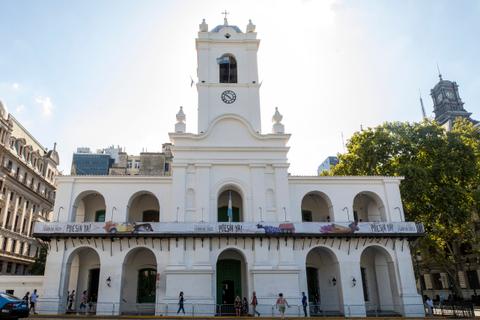
The Cabildo
The colonial-era town hall located on Plaza de Mayo, which was the seat of government during the May Revolution of 1810. Today, it functions as a national museum showcasing artifacts, documents, and paintings related to the revolution and Argentina's early history.
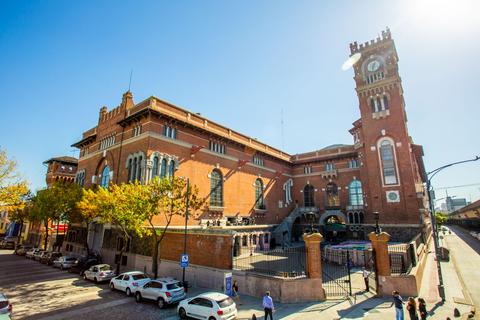
Usina del Arte
A major cultural center located in a beautifully restored former power plant in the La Boca neighborhood. It is renowned for its acoustics and hosts a diverse program of music, dance, and visual arts events, many of which are free to the public.
How Rafeek works in Buenos Aires
Download Rafeek
Get the app on iOS or Android and pick your destination.
Choose a guide
Browse the landmarks nearby and choose the ones you want.
Press play and walk
Listen as you go, at your own pace, online or offline.
About Buenos Aires
Buenos Aires, officially the Autonomous City of Buenos Aires, is the capital and largest city of Argentina. It is located on the southwest of the Río de la Plata. Buenos Aires is classified as an Alpha− global city, according to the GaWC 2024 ranking. The city proper has a population of 3.1 million and its urban area has a population of 16.7 million, making it the 21st most populous metropolitan area in the world.
Simple pricing
Try Rafeek before you pay for anything.
Free
$0
Start with sample guides and browse every destination and landmark before you commit.
Full access
In-app
Unlock complete audio guides, offline listening, and every landmark in the city from inside the app.
Ready to explore Buenos Aires?
Download Rafeek and let every landmark tell you its story.