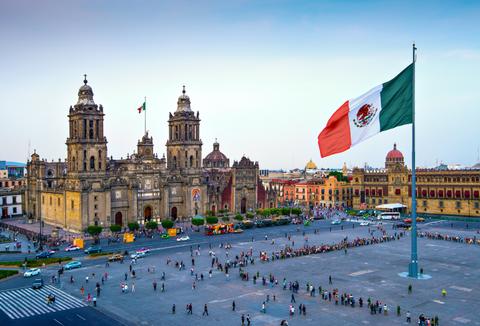
Mexico · North America
Discover Mexico City with Rafeek
Mexico City is the capital and largest city of Mexico, as well as the most populous city in North America.


Seeing Mexico City without the story is only half the trip
The problem
Group tours run on someone else's clock, printed signs say too little, and searching for context on your phone pulls you out of the moment. Most travellers leave Mexico City with photos but no sense of what they actually saw.
How Rafeek fixes it
Rafeek is a personal audio guide in your pocket. Press play at each landmark in Mexico City, listen at your own pace, and keep your eyes on the place instead of a screen. Guides work offline, so no roaming or signal worries.
What you'll discover in Mexico City
31 landmarks with their own audio guide — tap any one to read what you'll hear.
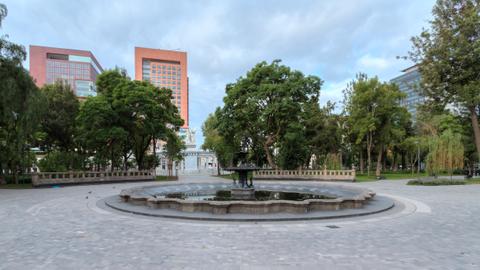
Alameda Central
A historic public park in downtown Mexico City, adjacent to the Palacio de Bellas Artes. It is a green oasis with paved paths, decorative fountains, and famous statues, and has been a central part of city life for centuries.
/Angel%20of%20Independence%20(El%20Angel).jpg)
Angel of Independence (El Angel)
A soaring victory column on a roundabout on the grand Paseo de la Reforma avenue. This iconic monument was built to commemorate the centenary of the beginning of Mexico's War of Independence and serves as a mausoleum for several heroes of the war.
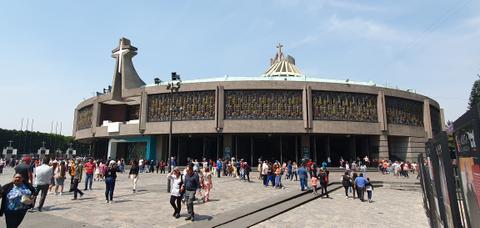
Basilica of Our Lady of Guadalupe
One of the most important pilgrimage sites in Catholicism, this national shrine houses the cloak containing the image of Our Lady of Guadalupe. The complex includes a modern basilica, an older 18th-century church, and other chapels on Tepeyac Hill.
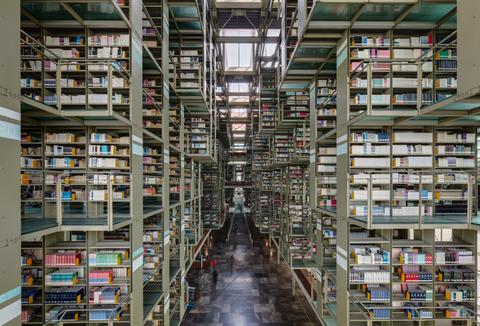
Biblioteca Vasconcelos
A massive and architecturally stunning public library often called a 'megalibrary'. Its design features transparent walls, mismatched floors, and seemingly floating bookshelves, with a large whale skeleton sculpture suspended in the main hall.
/Chapultepec%20Castle%20(Castillo%20de%20Chapultepec).jpg)
Chapultepec Castle (Castillo de Chapultepec)
Perched atop Chapultepec Hill, this is the only royal castle in the Americas that has been used as a residence for a sovereign. It now houses the National Museum of History, offering panoramic city views and a journey through Mexico's past.
/Chapultepec%20Park%20(Bosque%20de%20Chapultepec).jpg)
Chapultepec Park (Bosque de Chapultepec)
One of the largest city parks in the Western Hemisphere, serving as an ecological and cultural hub for the city. The park contains Chapultepec Castle, the National Museum of Anthropology, a zoo, lakes, and numerous other museums and recreational areas.
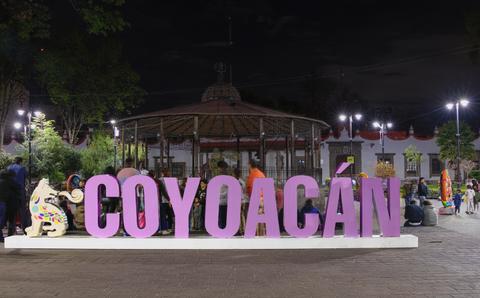
Coyoacan
A historic, bohemian neighborhood known for its cobblestone streets, colonial-era architecture, and vibrant cultural scene. It is home to the Frida Kahlo Museum, bustling markets, and charming plazas like Jardin Centenario.
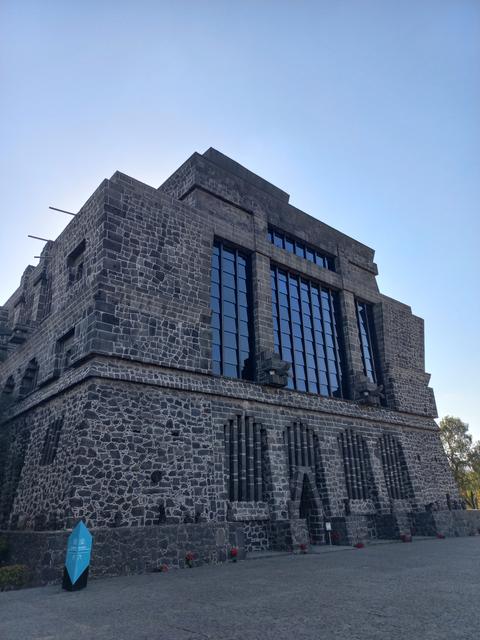
Diego Rivera Anahuacalli Museum
A unique museum designed by Diego Rivera himself using volcanic stone, resembling a Mesoamerican pyramid. It houses his personal collection of over 50,000 pre-Hispanic artifacts and also displays some of his own sketches and works.
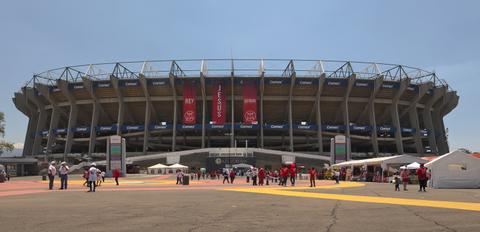
Estadio Azteca
An iconic football stadium that is one of the most famous in the world. It is the only stadium to have hosted two FIFA World Cup finals (1970 and 1986) and is the historic home of the Mexican national team and Club America.
/Frida%20Kahlo%20Museum%20(Casa%20Azul).jpg)
Frida Kahlo Museum (Casa Azul)
Located in the Coyoacan neighborhood, this is the historic blue house where the iconic artist Frida Kahlo was born, lived, and died. The museum offers an intimate look into her life and work, displaying personal belongings, artwork by her and Diego Rivera, and folk art.
/House%20of%20Tiles%20(Casa%20de%20los%20Azulejos).jpg)
House of Tiles (Casa de los Azulejos)
An 18th-century Baroque palace distinguished by its facade, which is covered on three sides by blue and white talavera tiles from the state of Puebla. Inside, it features a mural by Jose Clemente Orozco and now houses a popular restaurant.
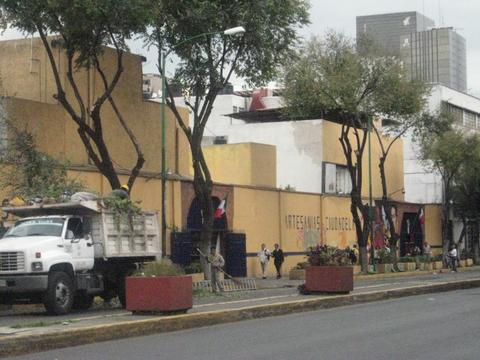
La Ciudadela Market
A large and vibrant market specializing in Mexican handicrafts and folk art from all over the country. It is an excellent place to find a wide variety of souvenirs, including textiles, ceramics, jewelry, and leather goods.
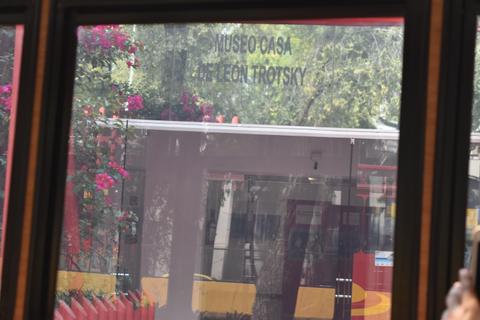
Leon Trotsky House Museum
The house where the Russian revolutionary Leon Trotsky lived in exile and was assassinated in 1940. The museum preserves the house as it was at the time of his death, offering a fascinating glimpse into the final chapter of his life.
/Luis%20Barragan%20House%20and%20Studio%20(Casa%20Luis%20Barragan).jpg)
Luis Barragan House and Studio (Casa Luis Barragan)
A UNESCO World Heritage site representing a masterpiece of modern architecture by Luis Barragan. The house is renowned for its brilliant use of color, light, space, and natural elements, creating a serene and contemplative environment.
/Memory%20and%20Tolerance%20Museum%20(Museo%20Memoria%20y%20Tolerancia).jpg)
Memory and Tolerance Museum (Museo Memoria y Tolerancia)
A poignant museum dedicated to exhibiting historical events of genocide and crimes against humanity. Its mission is to promote tolerance, non-violence, and human rights through powerful, interactive exhibits.
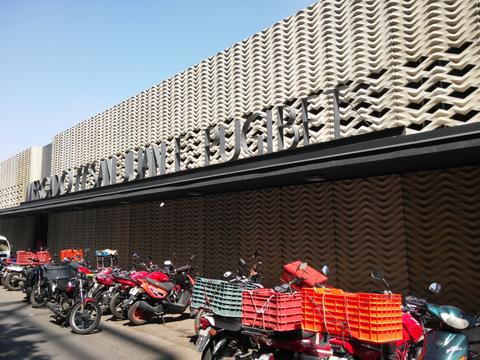
Mercado de San Juan
A renowned gourmet market famous for its exotic offerings and high-quality produce. Shoppers can find everything from lion and crocodile meat to rare insects, artisanal cheeses, and imported delicacies, making it a favorite for chefs and adventurous foodies.
/Metropolitan%20Cathedral%20(Catedral%20Metropolitana).jpg)
Metropolitan Cathedral (Catedral Metropolitana)
The largest cathedral in the Americas, situated on the north side of the Zocalo. Its construction spanned nearly 250 years, resulting in a blend of Renaissance, Baroque, and Neoclassical architectural styles.
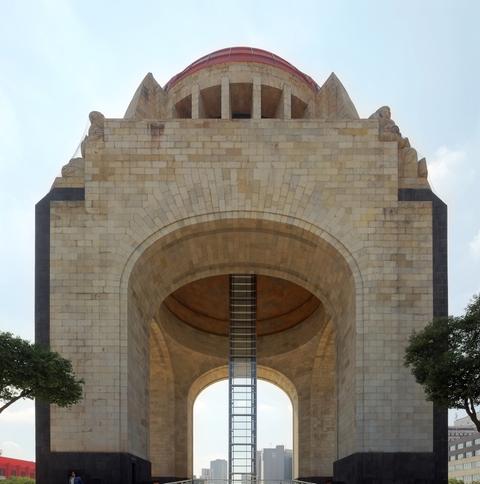
Monumento a la Revolucion
A landmark monument and mausoleum commemorating the Mexican Revolution. Visitors can take a glass elevator to the top for stunning city views and explore the National Museum of the Revolution in its foundation.
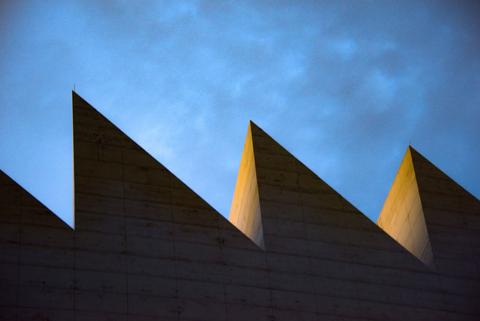
Museo Jumex
A leading institution for contemporary art in Latin America, located in the Polanco district. The museum is known for its distinctive building designed by David Chipperfield and its collection of works by international contemporary artists.
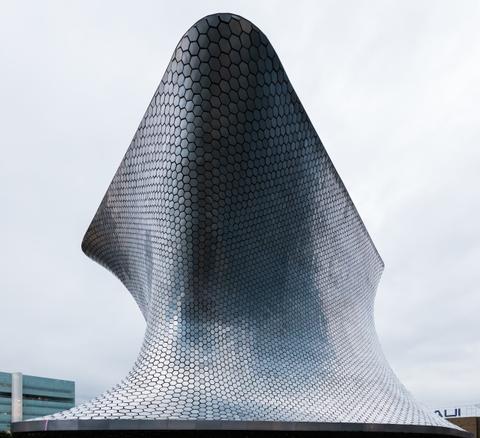
Museo Soumaya
A private museum known for its striking, modern architectural design and an extensive art collection spanning 30 centuries. The collection includes a large number of Auguste Rodin sculptures, as well as works by European old masters and Mexican artists.
/National%20Museum%20of%20Anthropology%20(Museo%20Nacional%20de%20Antropologia).jpg)
National Museum of Anthropology (Museo Nacional de Antropologia)
A world-renowned museum located in Chapultepec Park that houses a vast collection of artifacts from Mexico's pre-Columbian heritage. Its most famous exhibit is the Stone of the Sun, often referred to as the Aztec calendar stone.
/National%20Museum%20of%20Art%20(MUNAL).jpg)
National Museum of Art (MUNAL)
Housed in the majestic neoclassical Palacio de Comunicaciones y Obras Publicas, this museum showcases a comprehensive overview of the history of Mexican art. The collection spans from the mid-16th century to the mid-20th century.
/National%20Palace%20(Palacio%20Nacional).jpg)
National Palace (Palacio Nacional)
The seat of the federal executive in Mexico, this grand palace lines the entire east side of the Zocalo. It is most famous for housing Diego Rivera's massive murals depicting the history of Mexico from ancient times to the 20th century.
/Palace%20of%20Fine%20Arts%20(Palacio%20de%20Bellas%20Artes).jpg)
Palace of Fine Arts (Palacio de Bellas Artes)
A stunning cultural center known for its breathtaking Art Nouveau and Art Deco architecture. It hosts notable events in music, dance, theatre, and opera, and features famous murals by Diego Rivera and other great Mexican artists.
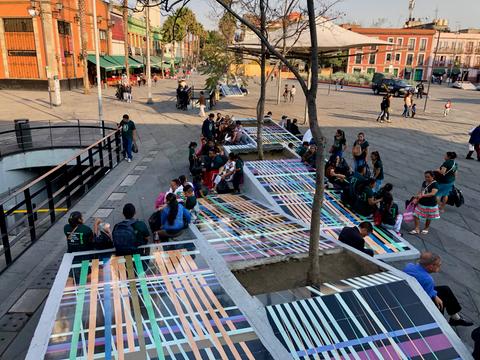
Plaza Garibaldi
A famous public square known as the home of mariachi music in Mexico City. Groups of mariachis, dressed in traditional charro outfits, gather here to play for passersby and be hired for events, especially in the evenings.
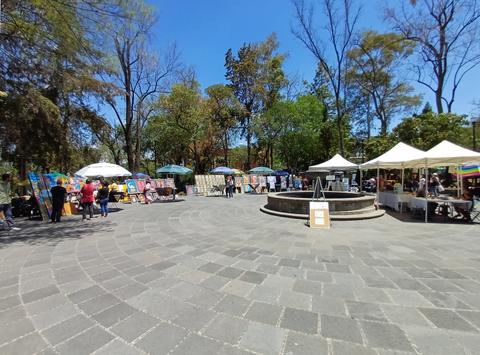
San Angel
A charming colonial-era neighborhood with cobblestone streets, beautiful mansions, and a tranquil atmosphere. It is most famous for its Bazar Sabado (Saturday Bazaar), a lively art and craft market held in the Plaza San Jacinto.
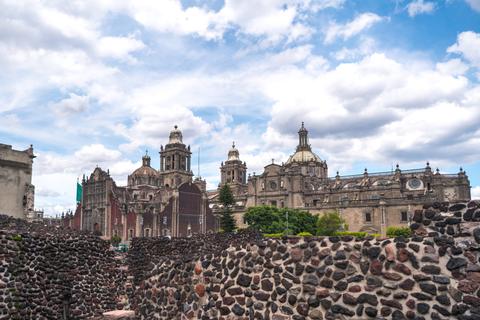
Templo Mayor Museum
An archaeological site and museum located just off the Zocalo, showcasing the ruins of the main temple of the Aztec capital, Tenochtitlan. The museum displays a wealth of artifacts recovered from the site, providing insight into Aztec civilization and religion.
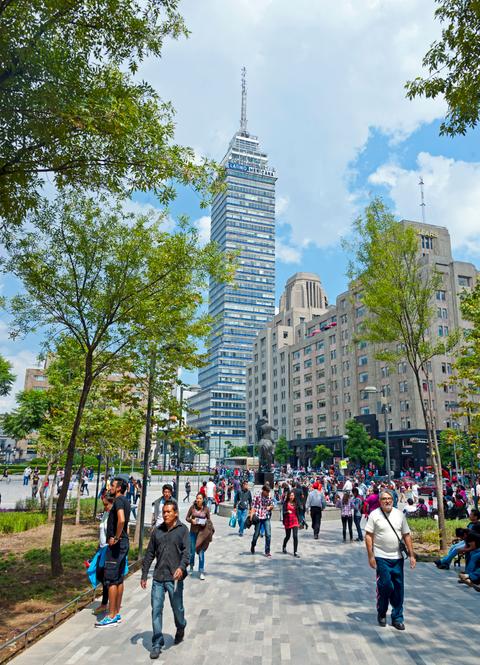
Torre Latinoamericana
An iconic skyscraper in the historic city center that was once the tallest building in Latin America. Its 44th-floor observation deck offers some of the most spectacular 360-degree panoramic views of the sprawling metropolis.
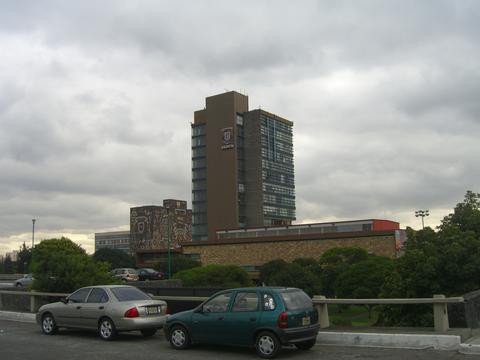
UNAM Central University City Campus
The main campus of the National Autonomous University of Mexico, recognized as a UNESCO World Heritage site for its 20th-century architecture and art. The campus is famous for its massive murals by artists like Diego Rivera and David Alfaro Siqueiros, particularly on the Central Library.
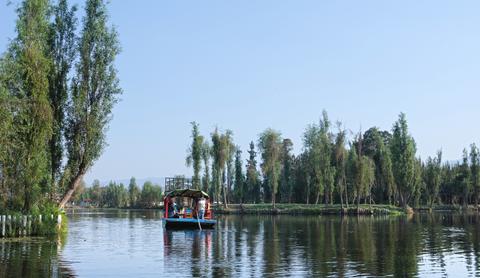
Xochimilco
A UNESCO World Heritage site famous for its extensive network of canals and colorful gondola-like boats called 'trajineras'. Visitors can float along the ancient waterways while enjoying food, music from mariachi bands, and a festive atmosphere.
/Zocalo%20(Plaza%20de%20la%20Constitucion).jpg)
Zocalo (Plaza de la Constitucion)
The main public square and heart of Mexico City, officially known as Plaza de la Constitucion. It is one of the largest city squares in the world and is flanked by the Metropolitan Cathedral, the National Palace, and other historic buildings.
How Rafeek works in Mexico City
Download Rafeek
Get the app on iOS or Android and pick your destination.
Choose a guide
Browse the landmarks nearby and choose the ones you want.
Press play and walk
Listen as you go, at your own pace, online or offline.
About Mexico City
Mexico City is the capital and largest city of Mexico, as well as the most populous city in North America. It is one of the world's leading cultural and financial centers and, according to the Globalization and World Cities Research Network's 2024 ranking, is classified as an Alpha world city. Located in the Valley of Mexico on the high Mexican Central Plateau, the city sits at an altitude of 2,240 meters. It is divided into 16 boroughs, or alcaldías, which are further subdivided into neighborhoods, or colonias.
Simple pricing
Try Rafeek before you pay for anything.
Free
$0
Start with sample guides and browse every destination and landmark before you commit.
Full access
In-app
Unlock complete audio guides, offline listening, and every landmark in the city from inside the app.
Ready to explore Mexico City?
Download Rafeek and let every landmark tell you its story.