Seoul, South Korea
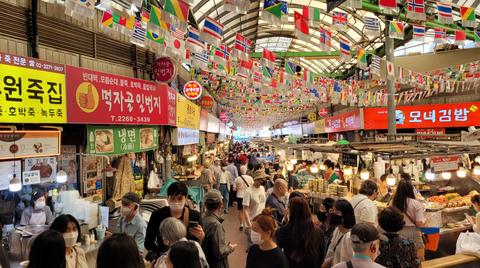
Gwangjang Market
One of the oldest and largest traditional markets in Seoul, Gwangjang is especially famous for its authentic Korean street food. Visitors flock to its bustling food alleys to savor local favorites like bindaetteok (mung bean pancakes) and mayak gimbap (mini seaweed rice rolls).


Gallery
Where to find Gwangjang Market
Gwangjang Market is in Seoul, South Korea. Coordinates: 37.57004, 126.99960. Open in Google Maps
How Rafeek works in Gwangjang Market
Download Rafeek
Get the app on iOS or Android and pick your destination.
Choose a guide
Browse the landmarks nearby and choose the ones you want.
Press play and walk
Listen as you go, at your own pace, online or offline.
More landmarks in Seoul
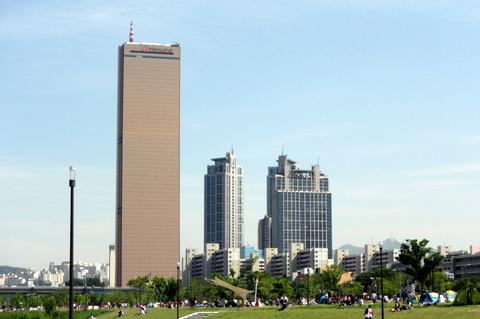
63 Square
An iconic gold-clad skyscraper on Yeouido Island, 63 Square offers stunning views of the Han River and Seoul's skyline from its 63 Art observation deck. The building also contains an aquarium, making it a popular entertainment complex.
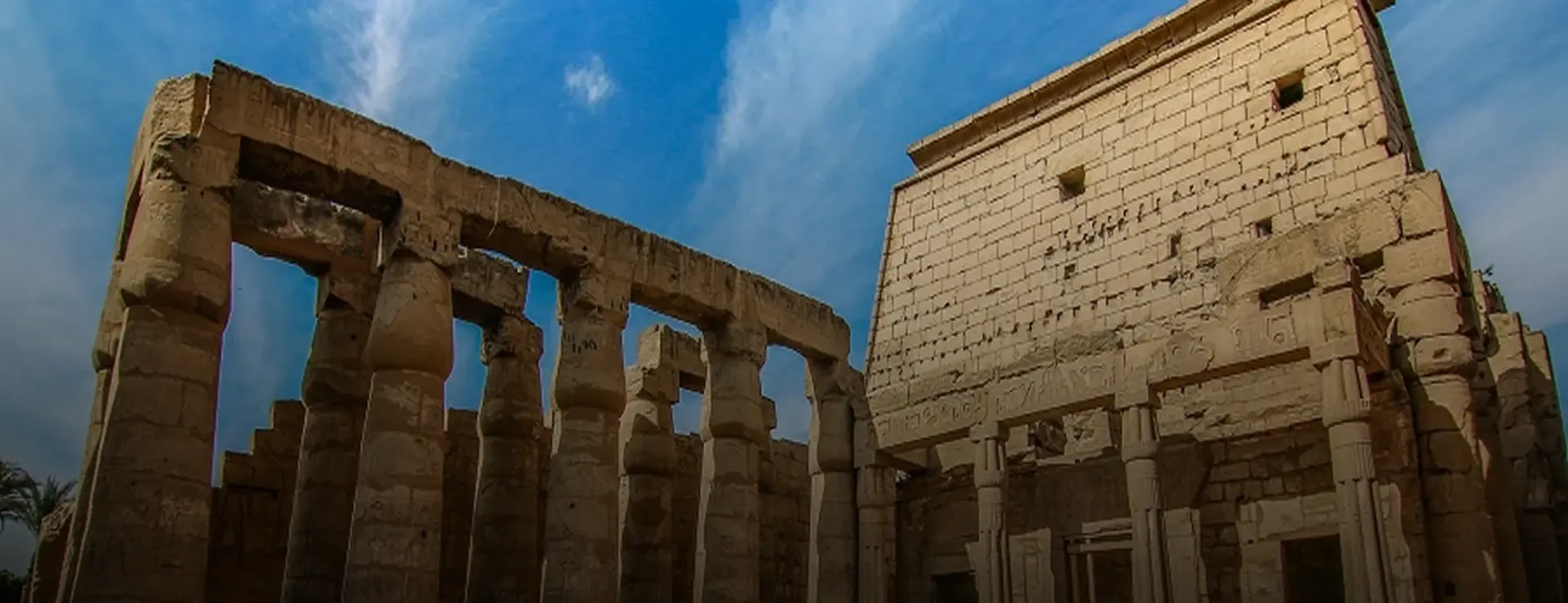
Amsa-dong Prehistoric Settlement Site
This archaeological site offers a fascinating look into a Neolithic-era settlement that existed around 6,000 years ago. The site features reconstructed pit-houses and a museum displaying artifacts, providing insight into the daily lives of prehistoric inhabitants.
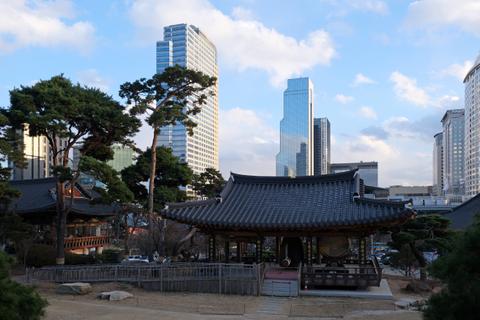
Bongeunsa Temple
Located in the modern Gangnam district, Bongeunsa is a thousand-year-old Buddhist temple offering a peaceful sanctuary. It is famous for its towering statue of the Maitreya Buddha and its Temple Stay program, which allows visitors to experience monastic life.
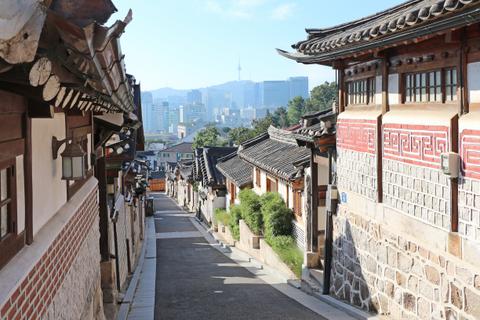
Bukchon Hanok Village
Nestled between two royal palaces, this residential village is home to hundreds of traditional Korean houses called 'hanok'. It offers a glimpse into the Seoul of 600 years ago, with its narrow alleyways and preserved architecture now housing guesthouses, tea houses, and cultural centers.
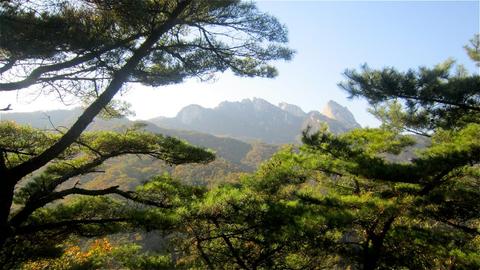
Bukhansan National Park
Often called the 'lungs of Seoul', this national park offers incredible hiking opportunities with granite peaks and stunning city views. The park is easily accessible by public transport and is home to numerous temples, historical sites, and diverse wildlife.
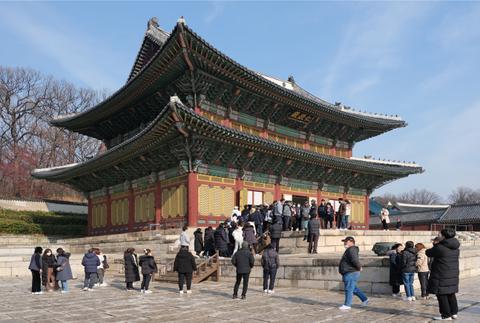
Changdeokgung Palace
A UNESCO World Heritage site, this palace was favored by many Joseon princes for its seamless integration with the natural landscape. It is particularly renowned for its Huwon, or Secret Garden, a stunning example of traditional Korean garden design.
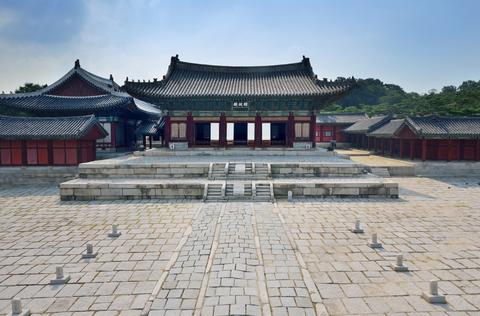
Changgyeonggung Palace
Originally built as a residence for queens and concubines, this palace has a poignant history, having been converted into a zoo and botanical garden during the Japanese colonial period. It has since been restored and offers a tranquil space with beautiful architecture and landscapes.
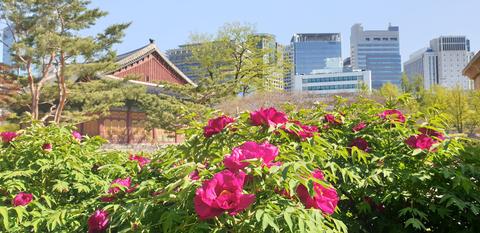
Deoksugung Palace
Located at the corner of Seoul's busiest downtown intersection, Deoksugung Palace is unique for its blend of traditional Korean and Western-style buildings. The palace is famous for its picturesque stone-wall road and was the site of many turbulent events in the final years of the Joseon Dynasty.
Hear the story of Gwangjang Market
Download Rafeek and get the full Seoul guide in your pocket.